B2B arched black metal bathroom vanity mirrors Factory: Specification, Ordering and Quality Notes
Material choice starts with the conditions the product will meet: repeated bathroom humidity, cleaning routines and the installation method. For importers working to a retail launch date, a low unit price loses value if frame corrosion, chipped coating or glass damage creates returns and replacement shipments.
Where Cheaper Alternatives Fall Short
Cost and durability pull in opposite directions once the frame edges, welds and mounting points are exposed to damp air. Thin or uneven coating can wear first at corners and brackets; unsealed metal at a cut edge or weld can then show corrosion beneath the black finish. A small reduction in coating or frame cost may therefore bring a larger expense in claims, inspection time and replacement freight.
Glass defects create a separate return pattern. Poor support during packing can lead to edge chips or breakage, while inconsistent curvature or assembly pressure can affect the reflected image. Buyers should compare the cost of the finished, packed unit—not just the mirror and frame—against the likely cost of damage handling and warranty replacements.
Construction Method and Its Effect on Consistency
A typical production route forms the arched metal frame, joins and dresses the corners or seams, applies the selected surface finish, then assembles the mirror and hanging hardware. The chosen frame metal and joining method affect weight, edge definition, corrosion control and the amount of finishing work. A formed steel frame may suit buyers prioritising a firm profile; an aluminium option can reduce shipping weight, subject to the required section shape and finish.
Frame profile
Confirm metal type, section depth and corner construction against the approved drawing. These choices affect rigidity, visible proportions and packed weight.
Mirror assembly
Specify glass thickness, backing requirements and whether the glass is replaceable. Mechanical retention can aid service; bonded assembly may create a cleaner rear profile but complicate replacement.
Inspection focus
Check overall dimensions, arch symmetry, finish coverage, hardware position and reflected-image appearance against the signed sample and drawing.
Batch control: Lock the approved frame drawing, finish reference, glass specification and mounting layout before bulk production. A change to any one of these can alter fit, appearance or carton dimensions across an OEM reorder.
| Specification | Typical order range or choice | Buyer confirmation point |
|---|---|---|
| Overall size | Common project sizes fall around 400–900 mm wide and 600–1,200 mm high; confirm to drawing. | State maximum width, overall height and arch profile or provide a dimensioned template. |
| Mirror glass | Thickness and backing are selected to suit size, support and market requirements. | Approve glass edge treatment, backing and retention method with the sample. |
| Frame and finish | Formed metal frame with a black powder-coated or other agreed finish. | Specify metal, visible profile, sheen and approved colour reference. |
| Net weight and mounting | Varies with dimensions, glass thickness, frame section and hardware. | Confirm hanging orientation, bracket position and included fasteners for the target wall type. |
How to Choose Before Requesting a Quote
A quote is more useful when the factory can price a defined construction rather than a reference image alone. Send the intended size range, arch outline, installation orientation, finish target, glass requirements, packaging method and destination market. Note whether the launch depends on one approved sample or on a size and finish family.
- For repeat OEM orders, identify the master sample and drawing revision that control dimensions and finish appearance.
- Ask for carton dimensions and packed weight early; a heavier glass or deeper frame can affect freight planning and pallet count.
- Confirm label language, barcode placement, protective-film handling and any private-label carton artwork before the production slot is fixed.
- Tie the inspection plan to the buyer’s risk points: size, arch alignment, coating appearance, hanging hardware and transit protection.
For a launch with a fixed ship window, allow time for sample review and artwork approval before bulk materials are committed. Revisions after approval can reset the production sequence, especially if the frame profile or carton tooling changes.
Who Uses It and Where It Matters
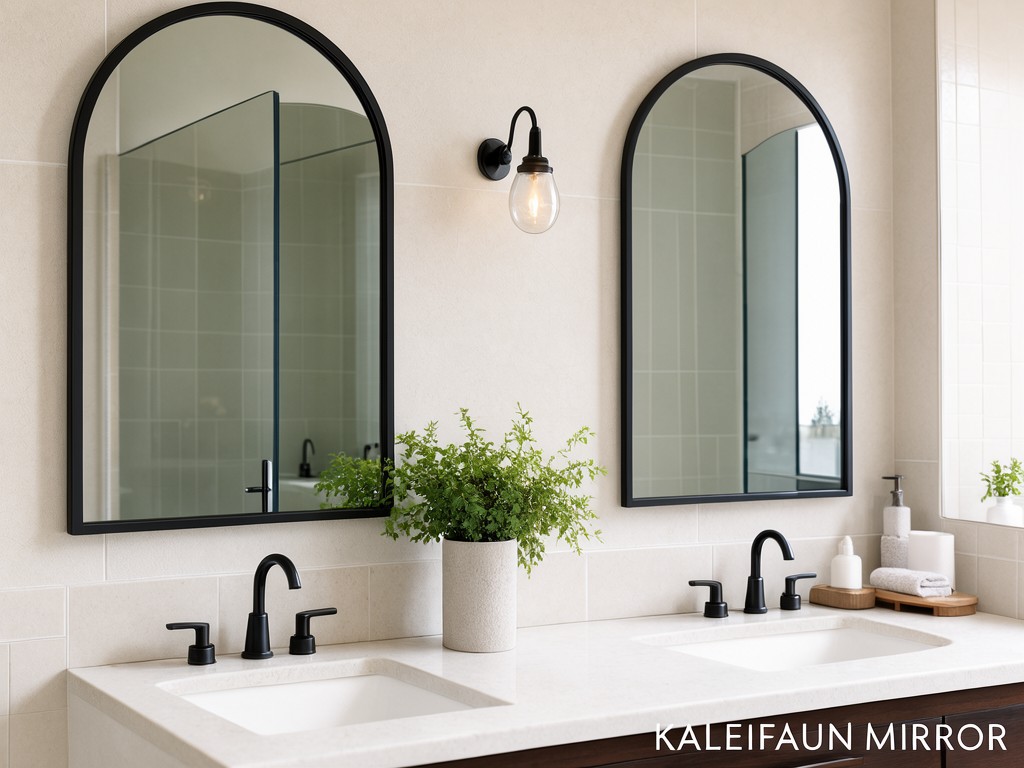
Bathroom retailers and private-label home brands select arched black mirrors for coordinated vanity ranges, where colour match and size consistency must hold across multiple cartons and replenishment batches. Hotel and serviced-apartment procurement teams focus on installation repeatability, wipe-down routines and replacement availability across rooms.
In humid bathrooms, the frame finish and exposed edges need to suit routine indoor use. A mirror intended for a covered interior space should not be treated as an exterior product unless its materials and finish have been specified for that exposure. This distinction helps buyers avoid a mismatch between the selling claim and the actual use conditions.
Segment-Specific Requirements
Retail programmes usually need a controlled black finish across different mirror sizes, plus carton labelling that matches the product master data. Hospitality orders place greater weight on mounting consistency and the availability of replacement mirrors or brackets. Importers should also verify that packaging protects the arch and glass edges during mixed-load handling, not only during single-carton inspection.
| Finish and colour option | What changes for the buyer | Approval check |
|---|---|---|
| Black powder coat, matte or low sheen | Common choice for a subdued frame appearance; texture and sheen affect how scuffs and fingerprints show. | Compare a production-representative sample under consistent lighting. |
| Black powder coat, satin or textured | Surface texture changes the visual match with taps, fittings and other bathroom hardware. | Check colour, texture and coverage at corners and joined areas. |
| Custom black reference or alternate colour | May require a separate finish sample and production planning by colour batch. | Approve the physical reference and define acceptable batch-to-batch variation before ordering. |
Setup, Use and Replacement Parts
Installation instructions should identify the hanging orientation, fixing points and fasteners supplied. Wall anchors must suit the wall substrate and the mirror’s packed or installed weight; buyers should not assume that one fastener set suits every market or wall construction. Keep replacement brackets and other detachable hardware tied to the original drawing or SKU.
For routine cleaning, use a soft cloth and a cleaner approved for the mirror and frame finish. Prevent standing water at frame joints and glass edges, and avoid abrasive pads or harsh chemicals that can mark the coating or affect the mirror backing. If the mirror uses adhesive retention, confirm the replacement procedure before sale; a mechanically retained design may simplify component service, depending on the frame construction.
For incoming inspection, compare the frame outline and mounting positions with the approved drawing, inspect coating coverage at edges and joints, and check the reflected image for visible distortion. Record carton condition and damage by batch so packaging changes can be tied to actual transit claims.
Questions Buyers Ask Before Ordering
What information is needed to quote a custom arch?
Provide the overall width and height, arch profile or template, frame depth, glass requirements, finish reference, hanging layout and target order quantity. A drawing reduces interpretation differences and gives the factory a basis for sample and tooling review.
Can one approved sample control later private-label batches?
Yes, if the buyer records the sample reference alongside the drawing revision, finish target, packaging specification and inspection points. Keep any approved deviation in writing so a later reorder does not rely on visual memory alone.
Which choices can affect the production and shipping schedule?
Custom frame profiles, non-stock finish colours, sample revisions and new carton artwork can add approval steps. Confirm these items, the order quantity and destination packaging needs before setting the required ship date.
Can replacement glass or hardware be ordered separately?
That depends on the retention design and whether the frame is assembled for service access. Identify the mirror model and revision, then confirm which parts can be supplied separately and how they should be packed for transit.
Discuss Your Mirror Programme
Share your target dimensions, arch drawing, finish reference, order quantity and required ship window for a project review. The specification can then be checked against sample approval, batch inspection and export packaging needs.
Discuss your project and request a quotation