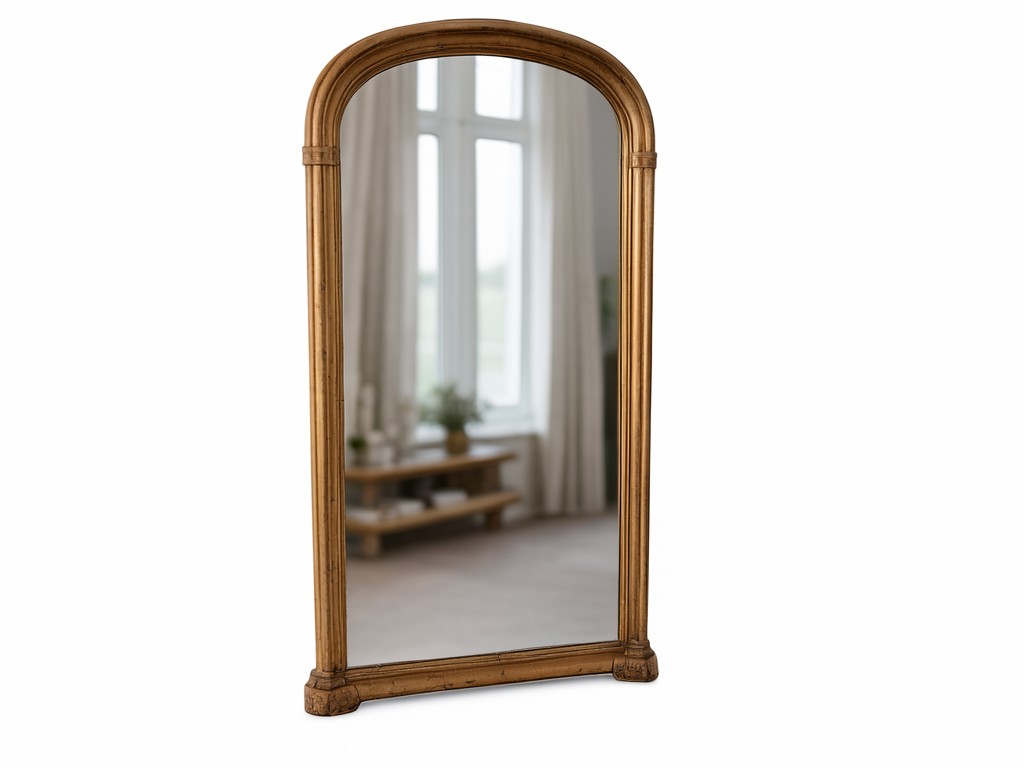
Cost-Effective Vintage Arched Mirror Factory - Bulk Supply and Specification Guide
The Problem Buyers Keep Paying For
On a club programme that reorders twice a season, one mirror with a chipped arch or an uneven aged finish can create more cost than the unit price saved at purchase. In a studio, boutique hotel or salon, customers see the mirror every day; a mismatch between units can make an entire wall look inconsistent.
The expense often appears after delivery: breakage claims, replacement freight, time spent sorting cartons and lost sales while a space waits for a matching piece. For a brand product manager, the useful target is cost per saleable mirror. That figure depends on repeatable arch dimensions, controlled distressing, suitable edge protection and packaging matched to the route—not simply a lower glass cost.
What the Design Has to Balance
A tall arch has to read as an intentional shape across a batch, not as a series of individually acceptable cuts. The crown radius, shoulder transition and overall height all affect the visual match. If the frame opening, wall clearance or mounting points are fixed, confirm those dimensions before approving the glass pattern.
Vintage character creates a second trade-off. More visible distressing gives each mirror a stronger aged appearance, but uncontrolled variation can make units look unrelated. A defined reference sample and agreed tolerance for the pattern give production a practical target. A simpler distressing layout usually takes less process time and makes repeat orders easier to match.
Cost rule: fix the arch profile, glass thickness, finish reference and mounting arrangement before the production quote. Late changes can require a new cutting template or frame setup and can erase savings from a larger order.
Materials and Construction Trade-offs
The usual construction starts with float glass, cut to an arched profile, edge-finished, mirror-coated and backed. The vintage effect is created through a controlled aged pattern on the reflective surface. Frame material, backing and hanging hardware then determine how the finished unit handles installation and transport.
Glass and Finish
A thinner glass option can reduce unit weight and freight cost, provided the mirror size and mounting method suit it. Thicker glass adds mass and may feel more substantial, but it also raises handling and packaging demands. A restrained aged pattern generally supports closer visual matching between production runs.
Frame and Mounting
A wood frame offers a warmer, traditional appearance and can accommodate varied profiles, but finish and moisture exposure need agreement. A metal frame can hold a narrower edge detail; corner joints and coating condition then become visible quality points. Specify the hanger type and intended wall fixing separately from the decorative frame.
For volume orders, the main process-cost lever is repeatability. A confirmed cutting pattern and reusable setup reduce adjustment time across a run. Tooling or fixture cost can be spread over more units, while a small first order may carry a higher setup cost per mirror. Confirm whether a future reorder can use the same pattern, finish reference and frame tooling before comparing quotes.
Specification Range and Customisation Limits
Final ranges depend on the glass supplier, arch geometry, frame construction and shipping method. The figures below are common planning points, not a substitute for a drawing review and sample approval.
| Buyer Usage Condition | Likely Complaint or Damage | Specification and Packout Control |
|---|---|---|
| Repeated installation of the same model across a studio or hospitality site. | Arches appear different in height or crown shape when mounted together. | Approve a dimensioned profile and reference sample; hold the same cutting setup for reorders. Use dividers so units cannot strike one another in transit. |
| Retail sale or display where customers compare several vintage-finish mirrors. | Distress pattern looks patchy, too dense or unlike the approved sample. | Agree the aged-effect reference and acceptable variation before the run. Keep finish-facing surfaces separated with non-abrasive protective sheets. |
| Container or parcel shipment through multiple handling points. | Chipped corners, cracked glass or frame scuffs on arrival. | Use edge and corner protection, a fitted carton and internal immobilisation; select an outer crate or reinforced pack where the route and order configuration call for it. Mark orientation and SKU on each shipping unit. |
| Installation in a location with regular cleaning or changing humidity. | Backing or frame finish deteriorates after repeated damp exposure. | Specify the intended cleaning conditions and frame finish; keep wet cleaning away from exposed edges. Include care instructions with the retail or project pack. |
Custom height, width, frame colour, hanging hardware and finish density are usually easier to control when the buyer limits the number of variants per production run. Every added variation can mean another setup, reference check or packing configuration. Consolidating quantities by specification can lower unit cost and simplify lead-time planning.
Buying Mistakes That Lead to Returns
A low quote can omit costs that appear after the first shipment. Check that the quoted specification covers the finished dimensions, frame, mounting hardware, finish reference and export pack—not just the glass panel.
- Approving a sample without a controlled drawing leaves the arch profile open to interpretation on later runs.
- Choosing the strongest visible distressing without defining its acceptable variation can produce units that do not match as a set.
- Comparing quotes with different packaging assumptions hides the cost of breakage exposure and replacement freight.
- Ordering many sizes or frame finishes in small quantities can multiply setup time and extend the production schedule.
- Treating a wall fixing as part of the mirror specification without checking the installation surface can create site-level fit problems.
For a repeat programme, price the approved configuration against expected saleable quantity and planned reorder volume. A stable specification often beats a lower first-order price that depends on unapproved substitutions.
Care, Storage and Service Life
Mirror life depends on keeping moisture and cleaning residue away from exposed edges and backing. Use a soft cloth and a cleaner applied to the cloth rather than sprayed directly onto the glass. Repeated liquid contact at the perimeter can affect the reflective backing or frame finish, especially where the edge is not fully enclosed.
Store cartons upright in the orientation marked on the pack, on a dry, level surface and away from direct impact. Do not stack beyond the pack configuration agreed for shipment. Before installation, check the frame, glass edges and mounting points; a damaged unit should be set aside rather than fitted under load.
Storage note: retain the original corner and face protection for any local transfer after delivery. Repacking without fitted edge protection raises the chance of chips that are difficult to spot until installation.
Questions Buyers Ask Before Ordering
Can the factory match a vintage finish on a repeat order?
A repeat match is more predictable when the approved sample, distress reference and finish description are retained with the production specification. Some visual variation is inherent in an aged effect, so agree its acceptable level before placing the order.
How does order volume affect unit cost and lead time?
Larger quantities can spread setup, cutting-pattern and frame-fixture costs across more mirrors. Lead time still depends on material availability, the number of configurations and packing requirements; confirm the production schedule against the approved specification rather than volume alone.
What should be confirmed before a custom arch goes into production?
Provide a dimensioned drawing with overall size, crown profile, frame section, mounting position and finish reference. Confirm carton dimensions and shipping orientation as well, since a shape change can affect both the frame setup and the protective pack.
Planning a bulk run? Share the target dimensions, finish reference, forecast quantity and destination pack requirements for a tooling and cost review. Early confirmation of reusable patterns and fixtures helps show where volume can reduce cost per saleable mirror without adding avoidable variants.