custom matte black metal arched wall mirrors factory - Bulk Supply and Specification Guide
Unit price and service life diverge when a mirror is exposed to frequent damp wiping, cosmetic residue or rough handling during installation. A lower-cost steel frame can suit dry residential rooms; humid rooms or frequent cleaning call for more attention to pretreatment, coating coverage and edge protection. Compare the approved sample and the factory’s inspection plan against the conditions of sale before fixing the repeat-order specification.
Where This Product Beats Standard Alternatives
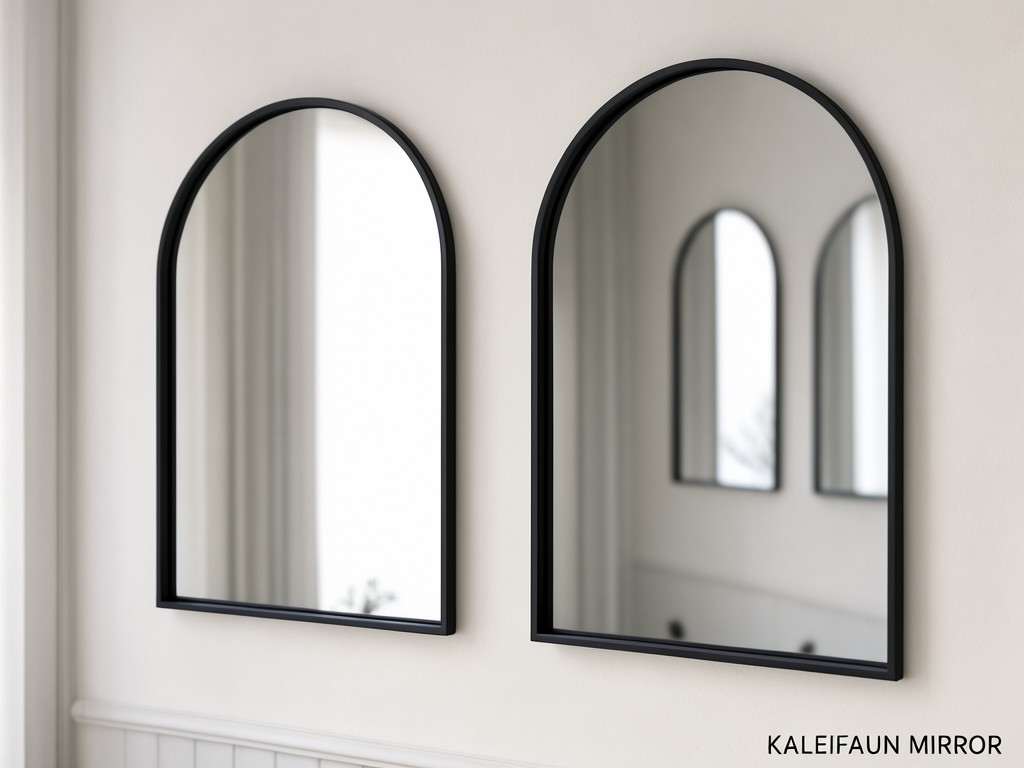
An arched top gives a retail assortment a distinct outline without changing the basic wall-mounted function. A matte black metal frame also gives buyers a consistent finish across mirrors in several sizes, provided the supplier controls frame dimensions, coating appearance and packaging as one repeatable specification.
Decision rule: specify the frame material and coating process for the room’s humidity and cleaning routine, then set glass, hanging hardware and carton protection for the mirror’s dimensions and shipping route. A matte surface can soften glare and fingerprints, but it is not scratch-proof; abrasive pads can leave visible marks.
- For everyday residential use, powder-coated steel offers a cost-conscious frame with a firm perimeter around the glass.
- Aluminum reduces frame weight and can suit larger formats, though the material and fabrication route may raise unit cost.
- A consistent arch radius, frame reveal and black finish matter across a range; variation between sizes is readily visible when products hang together in a showroom.
Option Comparison by Usage Level
Two suppliers quoting the same specification may use different frame stock, pretreatment or carton layouts. Those differences show up in frame weight, finish wear and breakage after delivery, not necessarily in the first quote. The table links common service conditions to the complaint pattern and the specification controls buyers can request.
| Room and use condition | Likely complaint or damage | Specification control |
|---|---|---|
| Dry bedrooms and dressing areas with routine dusting | Visible scratches or inconsistent matte appearance between units | Powder-coated steel frame; approve a finish sample and define acceptable appearance variation for repeat lots. |
| Bathrooms with regular condensation and damp-cloth cleaning | Corrosion near joints or coating damage at frame edges | Review pretreatment, coverage at seams and cut edges, and coating choice with the factory; aluminum is an option where lower frame weight or humid-room exposure justifies its added cost. |
| Hospitality or fitness changing areas with frequent wipe-downs | Finish dulling from unsuitable cleaners, or moisture marks at the mirror backing | Confirm permitted cleaner and cloth type; specify that liquid must not pool at the glass edge or frame joints. |
| Large-format mirrors shipped through parcel or mixed-freight networks | Chipped glass edges, cracked corners or frame distortion on arrival | Set glass and hanger details for the size and wall-mount method; use edge and corner protection with a carton tested against the intended shipping route. |
Powder-Coated Steel
Usually the more economical frame choice for common retail sizes. Its greater weight can help the frame feel firm, but larger mirrors need appropriate hanger placement and carton support.
Aluminum Frame
A lower frame weight can ease handling on larger units. Material cost and forming details differ from steel, so confirm the corner construction, surface finish and approved appearance sample before comparing unit prices.
What Can Be Customised and What Cannot
Buyers can usually set overall dimensions, arch profile, frame width, metal choice, matte black tone, mirror glass specification, rear fittings and retail packaging. Changes to the arch tooling or frame section can affect setup cost and sample timing; confirm which features use existing production tooling before placing a development order.
Glass thickness and hanger capacity cannot be selected independently of the finished mirror’s size and weight. A safety backing film may help retain fragments if glass breaks, but it does not make the mirror unbreakable or remove the need for safe installation. Agree the wall type and mounting arrangement so the factory can match the rear hardware to the product configuration.
Order Planning: MOQ and Lead Time
| Order stage | MOQ basis | Lead-time factors to confirm |
|---|---|---|
| First sample or pre-production sample | Sample charge and any tooling or setup cost are quoted against the requested size and frame design. | Drawing approval, material availability, finish matching and sample revisions. |
| Repeat production order | MOQ depends on frame material, size mix, finish batch and packaging configuration; request the quantity basis by SKU. | Approved sample, confirmed order quantity, production capacity and carton material availability. |
| New size or finish variation | A new configuration may require separate setup or a minimum per finish; confirm whether sizes can share a production run. | Tooling adjustments, sample sign-off and any added finish or packaging validation. |
Ask for MOQ and lead time in the quotation against the actual size mix and finish. A single broad estimate can conceal a longer wait for a new arch profile or a separate black coating batch.
Segment-Specific Requirements
Retail buyers need consistent dimensions, finish and labeling across a size range, since small differences become obvious on a display wall. Importers should review the packed dimensions and shipping configuration early; large glass panels can affect freight cost and handling requirements more than the frame material alone.
OEM buyers may need a custom arch radius, rear label, branded carton or a specific hanging method. For hospitality and fitness projects, frequent cleaning and humid rooms raise the value of clear care instructions and coating checks. Chlorine exposure is not a normal mirror-care condition; if mirrors will be installed near pools, specify the exposure and cleaning routine for review rather than assuming a standard indoor finish will suit it.
Inspection Items and Test Methods
A repeat-order inspection should compare production units with the approved sample and drawing, not only check whether the mirror is intact. Agree the sample size, inspection frequency and acceptance limits before production, especially for glass dimensions, arch symmetry and matte black appearance.
- Measure overall height and width, frame reveal, glass opening and hanger position; compare left-right dimensions and diagonals to identify an uneven arch or frame distortion.
- Check the glass face under agreed lighting for scratches, edge chips, visible spots and reflection distortion. Inspect the mirror backing and edge condition for exposed areas or damage.
- Review the matte finish for color and sheen consistency, missed coverage, runs and handling marks. A coating adhesion check can be made on a representative witness panel when agreed with the factory.
- Fit the specified hanger to a sample unit and check alignment and attachment. Any load or pull check should use an agreed method and must not be treated as a substitute for selecting suitable wall anchors at installation.
- For cleaning-sensitive projects, test the nominated cleaner and cloth on a sample finish and inspect for visible change. Do not infer resistance to all cleaners from a single wipe test.
Packing, Marking and Freight Configuration
Glass edge impact and carton compression are common sources of transit returns. Use corner and edge protection that keeps the mirror from shifting inside the carton, then select the outer pack for the actual route, whether it is parcel handling, palletized freight or mixed loads. Confirm pack dimensions and gross weight against the buyer’s warehouse and freight limits.
Keep the frame from pressing directly against the mirror face or glass edge inside the package. Confirm whether each unit needs a protective film, divider, corner guard, inner carton or pallet restraint; the right combination depends on mirror size and handling route.
Set carton marks, SKU labels, origin information and any retailer-specific labels before the packing artwork is approved. A pre-shipment carton review can catch a mismatch between the approved unit, label and packed configuration before the shipment leaves the factory.
Care, Storage and Service Life
Wipe the glass with a soft, non-abrasive cloth and a cleaner suitable for mirrors. Apply liquid to the cloth rather than allowing it to run behind the glass edge, where moisture can affect the backing or frame joints. Avoid scouring pads, harsh chemicals and prolonged contact with standing water.
Store cartons upright only when the packaging is designed for that position; otherwise follow the pack orientation marks and keep units dry, flat and protected from impact. Direct sun can warm the mirror and frame, while long-term UV exposure may alter some finishes or packaging materials. For repeat orders, retain an approved finish sample and compare new lots under similar lighting.
Service life depends on installation, room conditions and cleaning practice as well as factory construction. A safe wall fixing for the substrate, dry frame joints and non-abrasive care help prevent the most common complaints; warranty terms should state the exclusions for impact, unsuitable cleaners and incorrect installation.
Request a Pre-Production Sample
Send the target dimensions, arch profile, frame material, finish reference, glass and hanger requirements, order mix and destination market. A signed-off sample and written inspection points give both sides a clear basis for repeat-order checks.
Request a sample and specification review