Specifying discount gold arch mirror suppliers for Wholesale and OEM Orders
Most quality disputes start with a consistency gap: one shipment has a warmer gold frame, a different arch profile or more visible edge distortion than the approved sample. Importers and private-label buyers can avoid repeat claims by fixing the glass, frame finish, dimensions and packing method before they compare unit prices.
For discount gold arch mirror suppliers, the commercial target is not simply a lower quote. It is a repeatable specification that keeps the product recognisable across production lots without adding features your retail channel will not pay for.
Design Constraints Behind the Specification
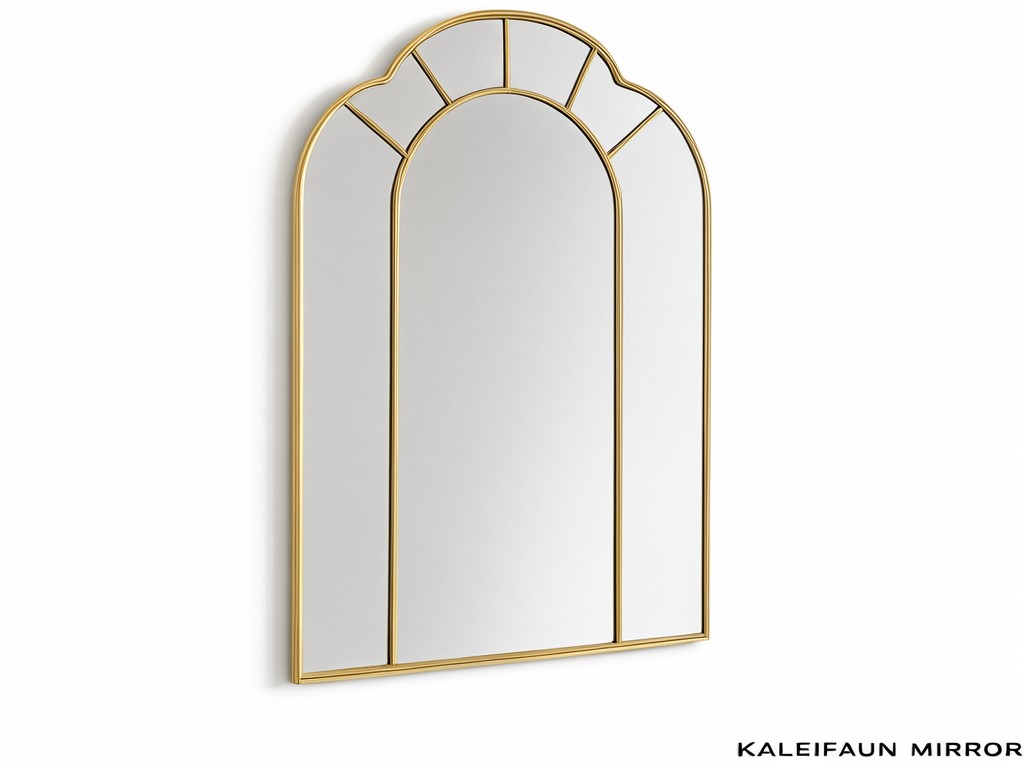
Arch mirrors are judged first by silhouette and reflection. Small changes to the crown radius, shoulder transition or frame width can make two nominally identical sizes look different when displayed side by side. A dimensioned drawing should define the overall height and width, the arch geometry, frame face width, corner or edge treatment, and the position of hanging hardware.
Discount targets usually come from a controlled construction choice: a standard mirror size, a formed metal frame and a painted or plated gold finish. A custom profile or unusual frame depth can add forming and setup work. Keep those details only if they support a clear retail difference; otherwise, lock the visible dimensions and use an existing production profile.
Common finished sizes
About 400 × 800 mm to 600 × 1200 mm, subject to the selected profile and glass size.
Glass thickness
Typically 3–5 mm; confirm for the mirror size, backing and hanging arrangement.
Frame options
Formed steel or aluminium with a gold-toned painted, powder-coated or plated surface.
Weight planning
Set a packed-weight target after the finished size and carton protection are confirmed.
Specification rule: approve the gold colour against a physical finish sample under agreed viewing conditions. A screen image does not define the metallic tone, gloss level or acceptable variation between batches.
How It Performs in Use
Wear shows up at the same point every season: exposed frame edges, hanging points and the mirror backing near areas where moisture collects. A gold finish can scratch or change appearance after repeated contact during unpacking, installation or cleaning. If the mirror is intended for a humid room, specify that use before sampling; a standard decorative finish should not be assumed suitable for persistent condensation or direct water contact.
Reflection complaints often come from glass flatness, support pressure or distortion around the arch rather than the gold frame itself. Uneven backing contact can stress the glass, while a frame that is pulled out of shape during assembly can create visible waviness. Define the acceptable visual inspection conditions and review a full-size sample at the intended viewing distance.
For entryway and bedroom use, a stable hanging arrangement and protected edges matter more than adding a heavier frame. Bathroom placement needs a separate review of finish coverage, backing protection and care instructions, since exposure varies by ventilation and distance from water.
Materials and Construction Trade-offs
A formed steel frame can suit cost-led programmes with a narrow gold colour target, but coating coverage at seams and cut edges needs attention. Aluminium reduces frame weight and can help with larger wall-hung formats; profile tooling and finish choices may change the unit price. Plated finishes can give a different metallic appearance from paint or powder coat, but the selected process, base metal and edge coverage should be evaluated together.
Mirror glass with a protective backing is common for indoor decorative products. The backing system and edge treatment should match the stated use environment. A thinner glass option can reduce material and freight costs, but it leaves less tolerance for handling and support variation on larger formats. Confirm the construction from an approved sample rather than allowing substitutions by description alone.
Choose the finish by the complaint you need to prevent. If colour mismatch drives returns, control the approved colour reference and production lot. If scuffs are the issue, assess finish hardness and protective separation in the carton. If edge corrosion appears after humid storage, review the backing, edge seal and storage exposure before specifying a more expensive frame.
How to Choose Before Requesting a Quote
A quote is easier to compare when every supplier prices the same visible and functional details. Send a drawing or marked-up reference with finished dimensions, frame profile, glass thickness, finish sample, hanging method, packaging level and destination market labelling needs.
- Decide whether the reference sample or a drawing governs arch shape and frame width.
- State the expected placement, especially if the mirror may be used in a humid room.
- Set allowable variation for overall dimensions, finish appearance and packed condition.
- Compare unit cost alongside carton size, protective materials, order quantity and freight method.
For a private-label programme, ask the supplier to identify which parts are standard and which require dedicated setup. This separates a genuine price advantage from a quote that assumes a different glass thickness, finish process or retail pack.
Working as a Production Partner, Not a Catalogue Supplier
A production partner can work from an existing profile and adjust the controllable details to match a private-label specification. That may include the arch outline, frame width, finish reference, backing label, hanging hardware and carton artwork. The practical limit is the existing tooling: a small change to dimensions may fit current forming equipment, while a new arch profile can require a separate setup and sample approval.
Keep the approved reference set complete. It should include a signed drawing, finish sample, product sample, packaging specification and any required retail marks. If a material or process substitution becomes necessary, the buyer should review it before production; an unapproved change can shift colour, weight, hanging position or carton fit.
Existing Profile, Lower Setup
A standard frame shape can shorten development and keep tooling costs down. The trade-off is less freedom to change the arch radius or frame depth.
Custom Profile, Closer Match
A dedicated profile can follow a brand drawing more closely. Include sampling and tooling review in the schedule, then approve the full-size sample before the order is released.
Quality Control and Batch Consistency
Inspection should target the defects buyers see first: arch asymmetry, uneven frame gaps, colour drift, scratches, glass distortion, damaged edges and loose hanging hardware. Define the reference sample and acceptance criteria before production. Visual checks need consistent lighting and viewing conditions; otherwise, inspectors may judge metallic finish and reflection differently from the buyer.
Use a documented lot check for dimensions, finish appearance, assembly and packaging condition. Where moisture resistance matters, agree on a suitable sample exposure or finish evaluation with the factory before ordering. Such checks help compare the selected construction, but they do not make an indoor mirror suitable for outdoor exposure.
| Inspection point | Factory check | Acceptance basis |
|---|---|---|
| Overall size and arch profile | Measure finished height and width; compare the arch outline with the approved drawing or sample. | Buyer-approved drawing, sample and stated dimensional tolerances. |
| Glass and reflection | Check glass thickness, visible surface defects, edge condition and reflection under agreed viewing conditions. | Approved construction and reference sample; reject visible defects outside agreed limits. |
| Frame material and gold finish | Confirm the specified frame material and inspect colour, coverage, scratches, seams and exposed edges. | Approved finish reference and written criteria for visible surface variation. |
| Weight, hardware and packed condition | Check product weight against the confirmed build, verify hardware attachment, and inspect the packed unit after agreed handling checks. | Approved specification, hanging arrangement and export-pack sample. |
Packing, Marking and Freight Configuration
Glass breakage, chipped edges and rubbed gold finishes are common transit complaints. Protect the mirror face and frame separately, stop movement inside the carton, and keep hard packaging components from pressing directly on exposed glass edges. The carton design should match the shipping route and handling pattern rather than rely on a generic pack description.
Before production, confirm whether units ship individually or in master cartons, how many fit each carton, and whether the retail pack needs a barcode, country-of-origin mark, handling symbols or private-label artwork. Review the final carton dimensions and packed weight with the freight plan; small changes to protective inserts can affect both cube and breakage risk.
Ordering, Tooling and Lead-Time Questions
The schedule depends on whether the order uses an existing frame profile, needs a finish match or requires new tooling. Request separate timing for drawing confirmation, sample production, sample approval, bulk manufacture and packing. State the order quantity and destination early, since carton configuration and export marks can affect the production plan.
Can an existing arch profile match our private-label reference?
Send the reference dimensions or a physical sample and ask the factory to compare the crown, shoulders and frame width. An existing profile may match closely, but confirm the full-size sample before approving production.
What changes if we request a custom gold tone?
A custom colour can require finish trials and a new approval reference. Agree on the physical sample, gloss and acceptable batch variation; artwork or screen values alone are not a dependable finish reference.
Which details affect the minimum order and lead time most?
A new frame profile, non-standard finish, retail packaging or custom artwork can add setup and approval steps. Ask the supplier to separate any tooling or sampling costs from the unit quote and confirm the order quantity required for each option.
How should we specify mirrors for humid-room sales?
Describe the intended placement and exposure, then request confirmation of the frame finish, mirror backing and edge protection for that use. Do not treat a general indoor decorative specification as proof of suitability for persistent moisture.
Request a sample against your specification.
Send your target dimensions, finish reference, intended use, order quantity and packaging requirements. A reviewed sample can resolve profile, reflection and colour questions before bulk production.
Request a sample and discuss your OEM order