durable arch wall mirror factory: Specification, Ordering and Quality Notes
What This Product Is and Where It Fits
| Specification point | Typical supply choices | Buyer decision |
|---|---|---|
| Glass thickness | 4 mm, 5 mm or 6 mm, subject to size and design | Balance reflection quality, panel weight and mounting requirements. |
| Mirror shape | Arched top with straight or shaped lower edge; dimensions are drawing-led. | Approve the arch radius, overall height and width before production. |
| Edge and backing | Ground or polished edges; protective mirror backing, with safety film as an option. | Specify edge visibility, backing coverage and whether the film is required. |
| Frame and mounting | Frameless or framed in a selected metal or interior-use frame material; hanging hardware by specification. | Confirm wall type, orientation and mirror mass when selecting hardware. |
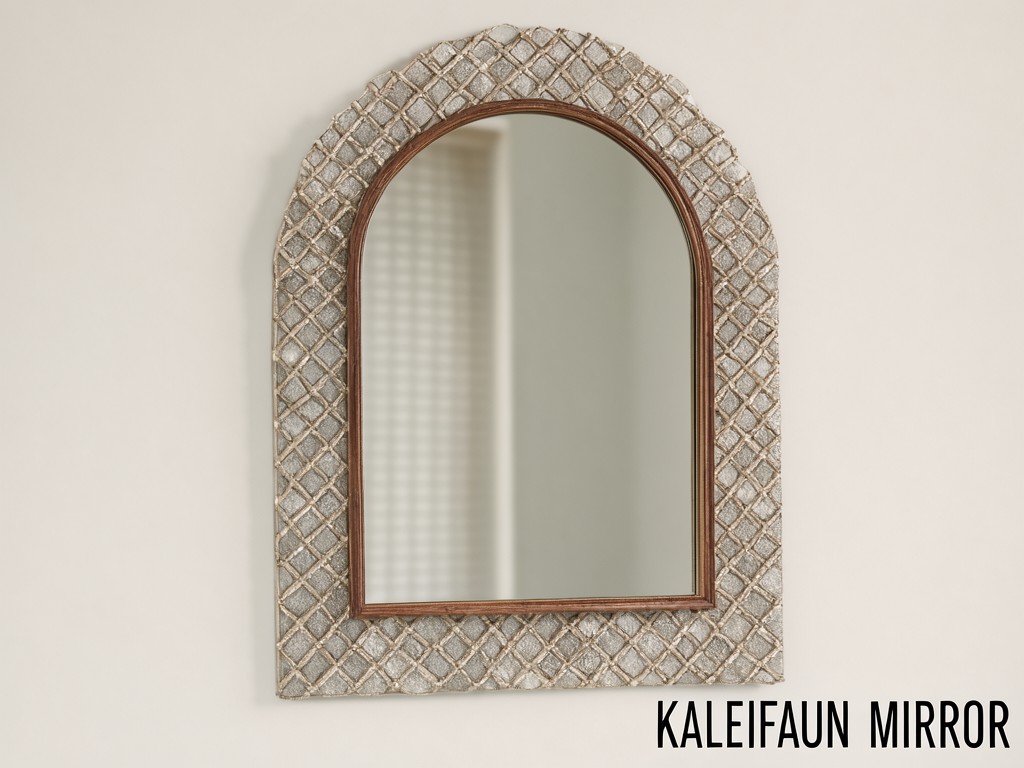
Material choice starts with the conditions the mirror will meet. This product is a shaped glass wall mirror for home furnishings, hospitality interiors and retail ranges; the arch profile is cut from mirror glass, then edged, backed and packed for its intended installation.
Private-label orders commonly vary by glass thickness, frame finish, hanging orientation and retail packaging. A controlled approved drawing and finish sample give repeat batches a fixed reference for those details.
The Problem Buyers Keep Paying For
Returns tend to start at the edges and mounting points. Moisture that reaches a damaged edge can contribute to dark spots or deterioration in the reflective coating; a frame that twists or presses unevenly can stress the glass. In transit, inadequate corner protection turns a sound production unit into a chipped or cracked delivery.
A low unit price does not offset repeated claims for edge blemishes, inconsistent arch profiles or missing hardware. For a repeat order, compare the quote with the cost of inspection, replacement freight and retailer credits. Agreeing on measurable tolerances and packaging details before the first production run is usually less costly than sorting variation after arrival.
What Actually Determines Performance
Where chlorine, sweat or UV exposure is routine, a standard indoor mirror is not automatically suitable. Poolside and outdoor locations need a purpose-reviewed specification for the full assembly; a protective backing alone does not make the mirror weatherproof. For bathrooms, specify ventilation and installation clearances so moisture does not remain trapped at the perimeter.
The reflection depends on flat, undistorted glass and consistent silvering. The shape depends on the cutting file and edge finishing. Service life also depends on how well the backing protects the reflective layers, whether the frame resists its installation environment, and whether the mounting system carries the finished unit without point loading.
Specification boundary: define indoor, bathroom or sheltered outdoor use before selecting coating, frame and hardware. Do not treat “durable” as a substitute for an agreed exposure condition or installation limit.
Construction Method and Its Effect on Consistency
A repeatable production route begins with glass selected to the approved thickness, followed by CNC or template-controlled profile cutting. Edge grinding and polishing remove sharpness and reduce visible variation; washing before silvering limits contamination that can show as spots beneath the reflective surface. The reflective and protective layers are then applied, cured and checked before any frame or hanging hardware is fitted.
Cost and durability pull in opposite directions once the mirror enters a humid room or a demanding distribution chain. A lower-cost frame or simpler packing may reduce the quoted price, but the buyer should weigh that saving against finish wear, edge exposure and breakage claims. Keep the approved cut file, coating selection and pack layout tied to the same purchase specification for each reorder.
Copper-free mirror coating
Available from suitable suppliers as a coating system choice. Confirm the backing paint and exposure suitability as part of the full assembly; the term alone does not establish a service-life guarantee.
Conventional protected mirror coating
May fit price-led interior programs. Compare coating protection, edge treatment and supplier process controls against the room conditions and expected cleaning routine.
Where This Product Beats Standard Alternatives
An arched profile gives a furniture or décor range a distinct silhouette without requiring a separate decorative frame treatment. Against a standard rectangular wall mirror, the trade-off is more demanding profile control and potentially more offcut waste, especially for small runs or narrow glass formats. The choice makes commercial sense when the shape supports a defined assortment or retail position.
| Usage level | Typical conditions | Selection focus |
|---|---|---|
| Residential interior | Occasional cleaning and controlled indoor humidity. | Arch dimensions, finish match and safe wall fixing. |
| Hospitality bathroom | Frequent wiping and recurring humidity exposure. | Protected edges, suitable backing and maintenance-compatible frame finish. |
| Retail or contract installation | Repeated handling, installation across multiple sites and export transit. | Batch control, mounting consistency and protective packaging. |
For high-traffic commercial spaces, confirm the mounting method and cleaning instructions with the installer. The arched mirror is not a direct substitute for safety glazing or a purpose-rated exterior mirror unless those requirements are specifically engineered and approved.
Specification Range and Customisation Limits
Dimensions, thickness and frame design can be developed to a buyer’s drawing, but they affect one another. A larger glass panel adds weight and changes the mounting load; a tighter arch radius can affect cutting yield and edge finishing. Confirm the finished outside dimensions, glass dimensions and frame allowance separately so artwork, packaging and installation details use the same reference.
Tolerance values should be agreed against the drawing and product size rather than assumed from a general catalogue description. Where multiple frame colours or hanging orientations share one item code, identify each configuration clearly in the purchase order and carton markings.
Customisation Options and Their Limits
Private-label programs can specify frame colour, logo placement on approved packaging, backing film, hanging hardware and retail carton configuration. Provide vector artwork with placement dimensions and colour references; printed colour on packaging may vary by substrate and print method, so approve a production-representative sample when colour matching matters.
Custom glass profiles and frame tooling add approval steps and can increase material waste. Changing the arch radius, glass thickness or mounting position after sample approval can also invalidate the prior fit check. Lock the revision level before the factory releases the batch.
Inspection Items and Test Methods
A useful inspection plan checks the features linked to claims: overall dimensions and arch symmetry, glass thickness, edge finish, reflection appearance, coating and backing condition, frame finish, hardware fit and pack protection. Set acceptance criteria in the approved specification, including viewing conditions for cosmetic checks.
Production checks can use calibrated measuring tools for dimensions, visual inspection under agreed lighting, and fit checks for brackets or hanging points. Coating adhesion or humidity exposure checks should use a buyer-approved method and stated conditions; they do not replace evaluation of the finished mirror in its intended installation. Verify carton configuration and corner protection on packed samples, then record batch identification against inspection results.
For repeat orders, compare retained samples or approved reference images against incoming production, and track recurring defects by type. That record helps distinguish a coating issue from edge damage, installation stress or freight breakage before warranty costs accumulate.
Share your target dimensions, use environment, frame finish, packaging format and annual order pattern for a specification review. Discuss an arch mirror project with the factory before final sample approval so production controls and inspection points match the repeat-order requirements.