factory direct gold arch wall mirror exporter: What Buyers Should Check Before Ordering
Selection trade-off: an aluminum frame keeps the mirror lighter and suits frequent wall-hanging programs; a steel frame adds rigidity but raises unit weight and freight demand. In either case, lock the arch profile, glass thickness, gold finish reference and hanging layout to an approved sample before production.
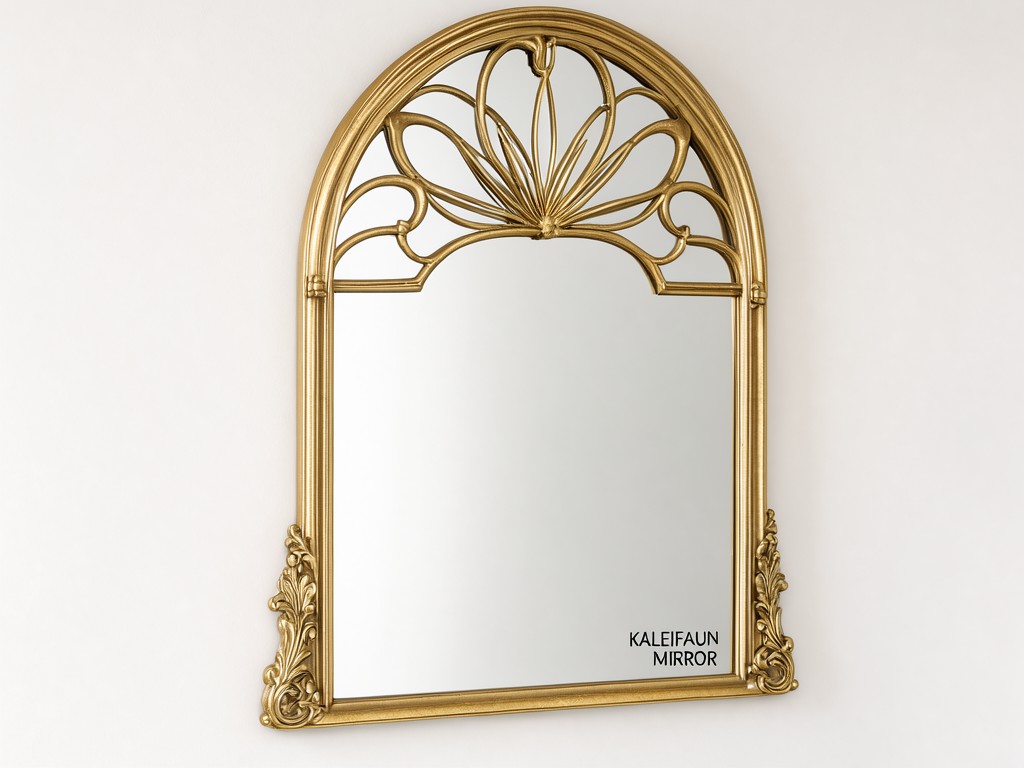
Consistency depends on controlling the visible arch radius, overall dimensions and gold tone across production lots. The mirror is typically silvered glass with a protective backing, fitted into a shaped metal frame; the gold appearance comes from the frame finish, not solid gold. A small shift in finish shade or frame proportion can make replenishment stock look mismatched beside an earlier delivery.
Comparing Two Standard Configurations
The interface between parts determines whether the frame holds its profile through handling and whether the mirror sits evenly in the opening. These configurations are useful starting points; final size, glass build and finish should follow the buyer’s approved drawing or reference sample.
| Configuration | Typical construction | Buyer trade-off | Finish and service conditions |
|---|---|---|---|
| Aluminum-frame version | Shaped aluminum frame around silvered mirror glass; gold anodized or coated finish, subject to the selected profile. | Lower frame mass can reduce handling and freight burden. Profile depth and joining details still need to suit the mirror size. | Suitable for indoor rooms and normally ventilated vanity areas. Confirm finish tone against a retained approval sample. |
| Steel-frame version | Formed steel frame with a gold powder-coated surface and a mirror panel secured within the frame. | A stiffer frame can suit larger formats, but added mass affects wall-fixing requirements, carton design and shipping cost. | Coating condition depends on edge coverage and careful handling. Keep the product indoors and away from persistent condensation. |
Glass thickness is commonly selected within a 3–5 mm range, depending on mirror size, frame support and the buyer’s weight target. Larger formats may call for a different support arrangement rather than a thicker panel alone.
How to Choose Before Requesting a Quote
For repeat orders, settle the finished outside dimensions, arch radius and frame width first. These define the product’s visual balance and help prevent a replacement lot from looking taller, narrower or heavier-framed than existing stock.
Send the target glass size, preferred frame material, hanging orientation and intended room conditions with the inquiry. If the mirror will be installed in a bathroom or other humid indoor area, specify the exposure; routine indoor use is not the same as continuous moisture or outdoor weather exposure. Also confirm whether the package needs wall-fixing hardware, a protective backing film or branded retail packaging.
Quote comparisons are only useful when the same details are held constant. A lower unit price may reflect thinner glass, a simpler frame joint, less finish protection or a different carton specification, each of which can change breakage, returns or reorder matching.
Customisation Options and Their Limits
Once the frame profile and mirror opening are fixed, customisation can cover overall size, frame width, gold shade, hanging hardware, backing and carton artwork. A finish sample is important: screen images and colour references do not fully show metallic appearance, gloss or how the shade changes under different lighting.
Changes to the arch contour or frame cross-section can require new forming or tooling work and may affect minimum order quantity and lead time. Keeping the existing profile while changing only size or branding usually presents fewer production variables. Confirm allowable dimension tolerances and the approved finish reference in writing before the purchase order is released.
A safety backing film can help retain fragments if glass breaks, but it does not make the mirror unbreakable or replace suitable wall mounting. Confirm the intended use and local retail requirements before specifying it.
Usage Scenarios and Buyer Segments
Deflection under load governs how securely a larger mirror stays seated and how much support the frame needs. For bedroom and hallway retail, buyers often prioritise the arch silhouette, finish match and compact cartons. Salon and dressing-room orders see more frequent cleaning and handling, so finish edges, hanging points and protective packing deserve closer review.
Hospitality and club facility buyers may order multiple mirrors for rooms or changing areas, where consistent dimensions and gold tone matter across a visible installation. These are indoor products; an exterior-facing wall, covered patio or persistently damp space requires a separate suitability review rather than an assumption of weatherproof performance.
Requirements by Buyer Segment
Importers need landed-cost clarity: packed dimensions, gross weight, carton quantity and the protection used around the glass. A change in frame mass or carton footprint can affect freight calculations even when the selling dimensions stay unchanged.
Wholesale buyers benefit from a defined reorder reference for frame profile, gold finish and label placement. For private-label programs, provide print-ready artwork, the required label position and any packaging language before sampling; late artwork changes can hold up carton approval.
Club or academy purchasing managers should specify installation count, wall type and whether mirrors will be placed in a high-traffic changing or training area. Those conditions inform hanging hardware and packing choices, while the facility’s installer remains responsible for selecting fixings suitable for the actual wall.
Quality Control and Batch Consistency
Dimensional checks should cover overall width and height, arch symmetry, frame width and the position of hanging points. Comparing a sample from each production lot with the signed reference helps catch proportion drift before cartons are closed.
Visual inspection under consistent lighting can identify gold-tone variation, scratches, coating gaps, exposed edges and mirror blemishes. A reflection check across the usable area can reveal distortion that is not obvious from a close inspection of the glass surface. Frame joints and mirror seating also need review; uneven gaps or a loose panel can become a rattle or damage complaint after transit.
Before shipment, check hanger attachment, carton fit and cushioning around vulnerable glass edges. Retain the approved finish and packing references with batch records so a reorder can be assessed against the same criteria. Agree inspection sampling and any acceptance limits before production, rather than after a colour or dimension dispute arises.
Care, Storage and Service Life
Store cartons upright as marked, on a dry, level surface, and protect them from impact and condensation. Long storage against a damp wall or in an unventilated container can affect frame finishes and the mirror backing, especially if an edge is damaged.
For routine cleaning, use a soft cloth and a glass cleaner applied to the cloth rather than sprayed directly onto the frame or mirror edge. Wipe standing moisture from the perimeter. Abrasive pads and strong cleaners can mark the gold finish or reach the reflective backing through an unsealed edge.
Service life depends on installation, humidity, edge condition and cleaning practice. A damaged edge, loose fixing or chipped coating should be assessed promptly; continued use can lead to backing deterioration, frame corrosion or further glass damage.
Artwork and branding review: Send the logo files, label copy and packaging layout with the approved mirror configuration. Request an artwork-and-branding review before sampling so placement, print method and carton details can be checked together.