factory direct large black arched wall mirror china supplier - Bulk Supply and Specification Guide
What This Product Is and Where It Fits
| Usage level | Conditions to specify | Configuration implications |
|---|---|---|
| Standard indoor use | Room dimensions, viewing distance, intended hanging orientation | Glass thickness, arch profile, black frame finish and rear hanging hardware |
| Indoor use with recurring humidity | Ventilation, moisture exposure and distance from direct water contact | Confirm mirror backing protection, frame material and coating suitability before order approval |
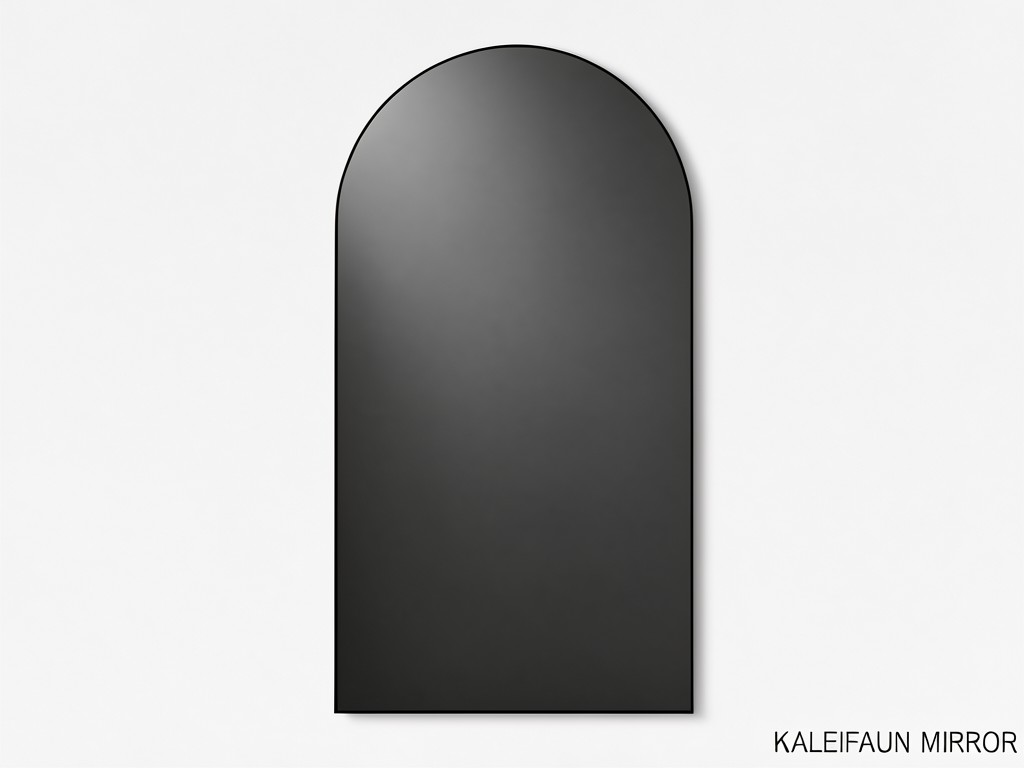
Material choice starts with the conditions the mirror will meet. This product combines a shaped glass mirror with a black-finished frame, commonly specified for interior retail and furnishing ranges. For distributors and OEM buyers, the critical quote inputs are the finished outside dimensions, glass specification, frame profile, finish reference and packing method.
Large-format pieces make small production differences visible. An arch that varies from the approved radius or a frame whose black tone shifts between lots can disrupt a coordinated assortment and lead to returns. Set tolerances and a signed reference sample before production, rather than relying on a product name alone.
How It Performs in Use
A flat, undistorted reflection depends on the glass remaining supported across its area. As mirror height and width increase, glass thickness, frame stiffness and rear support need to be assessed together; selecting thinner glass to reduce freight weight can increase sensitivity to handling and uneven mounting.
Humidity is a separate specification from general indoor use. Repeated moisture at exposed edges or behind the mirror can affect the reflective backing, while damp conditions can also expose weak points in a frame coating. A black finish alone does not establish suitability for bathrooms or exterior placement. Confirm the intended environment and any limits with the factory before approving the order.
For a launch order, lock the glass thickness, overall dimensions, arch geometry and black finish against one approved sample. These controls reduce the risk of size, weight and appearance drift across replenishment lots.
How It Is Built and What That Changes
A typical production route starts with glass cutting to the approved outline, followed by edge grinding and polishing. The reflective coating and protective backing are applied to the glass, while the frame is formed to match the arch and finished in black. Final assembly brings the glass, frame and hanging hardware together; exact operations vary with the selected construction.
The arch profile is a process-control point, not just a drawing detail. A template or controlled cutting program helps hold the curve from piece to piece. Edge quality matters because chips can create a visible defect and may weaken the perimeter. Frame fit also needs review: excess pressure can stress the glass, while a loose fit can allow movement during transit or installation.
- Specify whether the quoted size refers to glass or finished outside dimensions.
- Provide a dimensioned drawing for the arch, frame width, corner transitions and hardware position.
- Review edge protection and carton support as part of the product configuration, not as a last-minute freight change.
Comparing Two Standard Configurations
Frame material changes the balance between weight, rigidity and cost. Choose against the final dimensions and distribution route; a lighter frame may lower handling and freight burden, while a stiffer build can be useful when a large panel needs additional support.
Aluminum Frame
A suitable option when lower frame weight is a priority. Confirm profile stiffness, corner joining and coating coverage against the finished mirror size. The section design, rather than the material name alone, determines how well the frame holds its shape.
Steel Frame
A potential choice where a more substantial profile is required. Added mass affects carton handling and freight, and exposed edges or joints need suitable coating coverage. Check finish tone and gloss against a physical approval sample for each production run.
Neither configuration should be selected without a size and mounting review. The supplier can quote the proposed construction against the drawing, then confirm the frame section and glass support through sample approval.
How to Choose Before Requesting a Quote
A quote can only be compared fairly when each supplier prices the same finished specification. Send the target dimensions, drawing or reference image, glass and frame preferences, finish sample or colour reference, hanging orientation, order quantity and destination market. Add the target ship date and required retail-pack details at the first inquiry.
Confirm whether quoted dimensions include the frame, which hanging hardware is included, and how the mirror is protected in export packaging. These details affect both unit cost and handling risk. If the item must arrive for a fixed launch, ask the supplier to separate sample approval, production time and freight transit in the proposed schedule.
A tooling or process review before deposit can flag a difficult arch profile, frame joint or packing format while changes are still practical.
What Can Be Customised and What Cannot
Finished size, arch proportions, frame profile, black finish appearance, rear hardware and packaging can generally be reviewed for a project. The available changes depend on equipment, material supply and order volume. A new profile or unusual curve may require a tooling or setup review, which can add approval steps before production.
- Submit a drawing with tolerances when the mirror must match other pieces in a retail range.
- Approve black colour and surface sheen using a physical sample; screen images do not define a production finish accurately.
- Treat glass size, glass thickness and frame section as a linked specification, especially for large formats.
- Confirm the packaging configuration before the production sample is signed off.
Material properties and the limits of the selected process cannot be changed through artwork or labelling. If a requested size or frame design exceeds the factory’s current process capability, revise the drawing or review the construction before placing the order.
Quality Control and Batch Consistency
A repeat order should be measured against the approved specification, not only against the previous invoice. Check finished width and height, arch symmetry, frame fit, hanging hardware position, glass appearance and finish colour. Record the approved sample and inspection limits so that purchasing and production use the same reference.
Weight drift can signal a change in glass thickness, frame section or hardware. Appearance drift may come from a different coating batch or surface preparation. Either can break assortment uniformity; size and finish differences can trigger retailer complaints, extra sorting and avoidable returns. For repeat programs, compare samples from separate lots under consistent lighting and retain the signed reference.
- Use dimensional checks for finished size and key arch points.
- Inspect the reflective surface for visible defects and review edge finish before frame assembly.
- Compare black finish, gloss and frame joints with the approved sample.
- Check hardware attachment and packaging condition on a defined sample of finished units.
Inspection frequency and acceptance limits should be agreed before the order enters production. Do not assume that a visual check replaces the buyer’s dimensional or packing requirements.
Capacity, Tooling and Scheduling
Schedule risk is often created before glass cutting begins: the arch drawing is incomplete, the black finish sample is not approved, or export packaging changes after the production sample. Send the final dimensions, finish reference, packing specification and quantity together so the factory can review process capability and material availability before confirming a production plan.
Existing profiles and standard hardware may reduce setup work. A new arch template, frame section or packaging insert can add sampling and tooling steps. Lead time therefore depends on the confirmed construction, sample approval, order quantity and current production loading; request a dated schedule rather than relying on a generic estimate.
For a fixed retail launch, allow time for sample review, any required correction, production inspection and export transit. Ask the supplier to identify the latest approval date that keeps the shipping plan intact.
Request a Tooling Review
Send your drawing, target quantity, finish reference, packaging needs and required ship date for a review of the arch profile, frame construction and approval schedule. Contact the factory to discuss your mirror specification.