Selection rule: confirm the mirror’s finished dimensions, frame profile and packing method as a set. A lower unit price can be offset by edge damage, frame movement or inconsistent arch proportions that lead to returns and replacement freight.
Wholesale full length black arched mirror Supplier: Specification, Ordering and Quality Notes
Design Constraints Behind the Specification
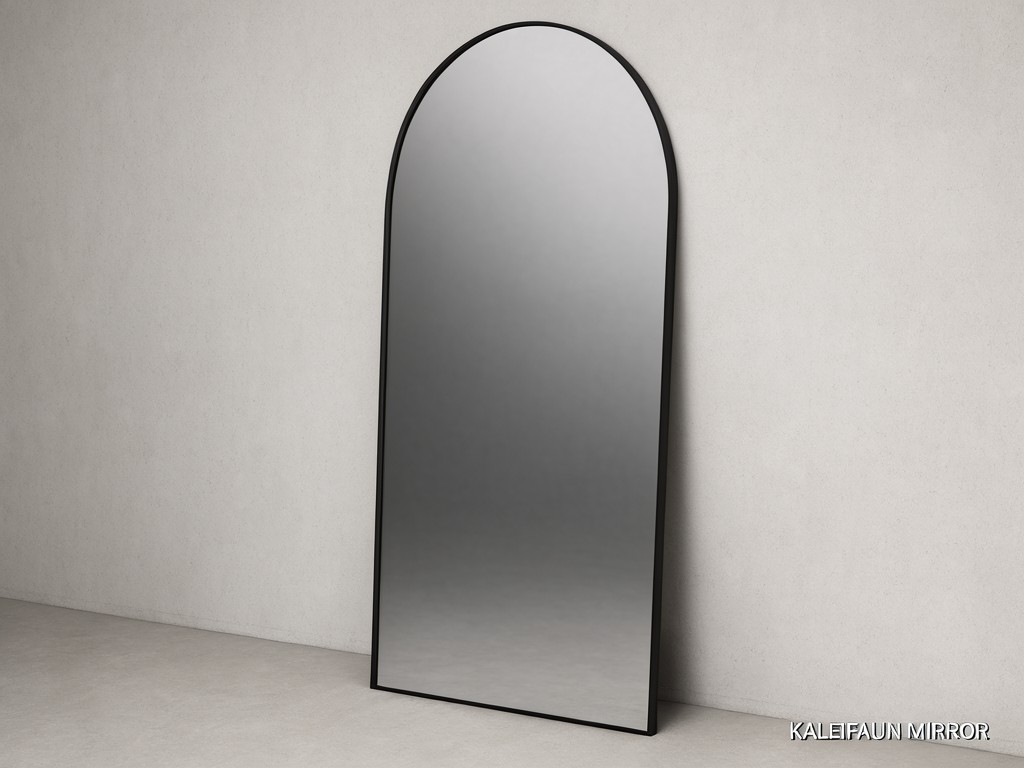
The interface between parts determines whether the arch reads as a deliberate design feature or a fit problem. The curve of the glass, the frame’s inner channel and the joining points must agree; a small mismatch can create an uneven reveal, visible pressure on the glass or a frame that does not sit square.
For a bedroom, dressing area or retail floor set, buyers usually balance full-length viewing area against carton size and handling risk. A taller mirror can support the intended use, but it also increases glass area, package dimensions and the consequences of a corner impact. Fix the target installed footprint and whether the mirror will lean or mount before approving a sample.
A thin black frame keeps the outline visually light; a deeper profile can conceal joints and provide more room for rear fittings. The trade-off is added material, weight and freight volume. Specify the visible frame width and depth separately so different production lots do not drift in appearance.
How It Is Built and What That Changes
Production typically starts with mirror glass cut to the arched outline, followed by edge grinding and polishing before the frame is fitted. The frame is formed to match the curve, joined at its corners or transitions, then finished in black. The exact sequence depends on the frame construction; assembly should not force the glass into an undersized channel.
A powder-coated metal frame can resist routine scuffs better than a thin decorative film, but coating coverage at corners and joints still needs inspection. Aluminum can reduce shipping weight; steel may provide a stiffer profile at a comparable section, with a weight and freight cost trade-off. Glass thickness, frame depth and rear support should be evaluated together rather than priced as isolated options.
Inspection focus: compare arch height, overall width, diagonals, frame reveal and finished weight against the approved sample. Check the polished edge for chips before frame assembly, then inspect coating continuity, rear fittings and the assembled mirror for rattle or visible glass stress.
Batch control matters because one inconsistent arch is easy to spot beside another on a retail display. Keep a signed reference sample and a dimensioned drawing for each purchase order; record inspection results by production lot so repeat orders can be compared before dispatch.
Specification Range and Customisation Limits
Final dimensions depend on the intended room placement, glass source and carton limits. The ranges below are discussion points for quotation, not a promise that every combination is available; confirm the drawing, tolerance and packing plan for the selected size before tooling or bulk approval.
| Specification point | Typical quotation basis | Buyer confirmation |
|---|---|---|
| Overall size | Common full-length formats are roughly 150–180 cm tall; width is set by the design and intended viewing area. | Finished height and width, arch rise, and dimensional tolerance. |
| Glass and frame | Glass thickness and metal profile are selected according to size, support method and target landed cost. | Glass thickness, frame material, visible face width, profile depth and rear support. |
| Packing configuration | Individual protective carton, with corner protection and internal restraint suited to the mirror’s mass and route. | Retail-ready or plain carton, master-carton quantity, shipping marks and pallet plan. |
| Handling details | Package dimensions and gross weight are confirmed after the final construction and inserts are set. | Storage orientation, pallet access and destination handling limits. |
Packaging is part of the specification, not an afterthought. A carton that controls movement around the arch and protects the lower corners can cost more per unit, yet reduce breakage claims and replacement freight. Confirm the carton dimensions and packed weight early if the order is priced by container loading or dimensional freight.
How to Choose Before Requesting a Quote
Start with the buyer’s installed-price target, not only the factory unit price. Compare likely damage exposure, package volume, return handling and replacement availability across the proposed construction. A small saving on glass or packaging has little value if it increases edge damage or makes replenishment inconsistent.
Send a reference image or drawing with the overall dimensions, arch profile, frame finish, mounting or leaning requirement, order quantity and destination. If a previous sample exists, include its measured dimensions and any observed issues. This gives the supplier enough information to quote the same build rather than a superficially similar catalogue item.
| Choice to lock | What changes in production | Commercial effect |
|---|---|---|
| Arch profile and outer dimensions | Cut pattern, frame forming and inspection references. | A fixed drawing supports repeatable appearance across reorders. |
| Black finish and frame profile | Finish process, joint detail and profile sourcing. | A defined finish reference limits shade and sheen variation between lots. |
| Private-label presentation | Carton artwork, barcode placement, inserts and order-specific marks. | Artwork approval and print setup affect the first order’s cost and schedule. |
Where the design allows more than one frame or packing route, request a like-for-like comparison with the same mirror dimensions and inspection scope. That separates a genuine cost reduction from a change that shifts expense into handling, claims or customer service.
Working as a Production Partner, Not a Catalogue Supplier
Private-label orders need a controlled reference for the shape, finish, fittings and packaging. After sample approval, retain the drawing, approved finish reference and carton specification against the buyer’s item code. Changes to glass source, frame profile or protective inserts should be reviewed before the next production run, not introduced as an unrecorded substitution.
For repeat lots, inspection can cover key dimensions, arch symmetry, edge condition, frame finish, fitting position, assembled stability and packed-carton condition. The sampling plan and acceptance limits should be agreed for the order; any defects found during inspection should be photographed and tied to the lot record. This makes claims easier to assess and gives both sides a factual basis for corrective action.
Logo placement, retail carton artwork and inserts can be prepared around the approved product drawing. Artwork files should identify print dimensions, colour references, barcode position and language requirements. A signed proof avoids a packaging mismatch that can hold up otherwise acceptable goods.
Volume Planning and Lead Time
Order volume affects frame sourcing, glass cutting efficiency, packaging purchases and the cost of any order-specific setup. A larger run can lower the per-unit share of setup and freight, but only if the forecast matches sell-through and available storage. Compare the price break against the cash tied up in inventory and the cost of keeping a consistent design available for replenishment.
Lead time should be quoted from a defined starting point, normally after the drawing, sample and artwork are approved and the deposit or purchase order is confirmed. Glass availability, frame finish scheduling, packaging print approval and inspection requirements can each affect the dispatch date. Ask for separate sample, production and freight estimates so a change at one stage does not obscure the cause of delay.
For a seasonal launch, reserve production capacity against a realistic forecast and confirm whether split shipments are possible. Consolidated dispatch may reduce freight cost per mirror, while staged shipments can protect shelf availability when storage space is limited.
Setup, Use and Replacement Parts
Confirm whether the mirror is designed to lean, hang or support both arrangements. Use the supplied fittings only for the intended installation, and match wall anchors to the wall material and the mirror’s packed or installed weight. A leaning mirror should sit on a level floor with its top restrained where the design or local use conditions call for anti-tip support.
For routine cleaning, use a soft cloth and a glass cleaner applied to the cloth rather than directly around the frame edge. Keep standing moisture away from the frame joints and rear fittings; liquid that enters an unsealed edge can affect the mirror backing or create finish wear. Do not use abrasive pads on the glass or coated frame.
Ask the supplier to identify replaceable wall fittings, rear brackets and any model-specific anti-tip hardware by part description. Keeping those parts available can resolve installation issues without replacing an intact mirror. Glass replacement is generally more difficult to manage in the field, so carton protection and clear damage-claim procedures deserve attention before the first shipment.
Request a Quotation Review
Send the target dimensions, arch drawing or reference image, black finish preference, order volume, branding requirements and destination. A quotation review can compare construction and packing choices against unit cost, freight exposure and expected replacement workload.
Contact the production team to review your specification and quotation.