For repeat orders, settle the frame material and rose-gold finish route first. Aluminum reduces frame weight; coated steel offers a different rigidity and cost balance. In either case, approve the shade and edge details against a physical sample before production.
wholesale rose gold arch mirror exporter: What Buyers Should Check Before Ordering
The build method decides how closely a reorder can match the approved mirror. Glass size, arch profile, frame joints, and the rose-gold surface treatment all affect the finished appearance. A clear specification fixes those points before production, rather than relying on a product name or a reference photo alone.
The Problem Buyers Keep Paying For
Rose-gold tone variation is one of the first issues buyers notice across mixed production lots. The same colour description can produce different results if the coating route, base metal, surface preparation, or sample reference changes.
Other complaints tend to appear after unpacking or routine cleaning: chipped frame corners, visible joint marks, edge damage to the glass, or moisture-related deterioration near an unsealed frame joint. Those defects often trace back to separate decisions about fabrication, finishing, inspection, and packing. Record the approved frame profile, finish sample, glass specification, and mounting arrangement together so a replacement order does not depend on an incomplete description.
How It Performs in Use
Process choice shows up later as surface wear, frame movement, and the condition of the mirror edges. A mirror intended for a dry interior has different exposure from one used in a humid bathroom. Frequent moisture, harsh cleaners, or standing water at the lower frame can attack coating edges and joints, so confirm the intended environment before selecting the frame finish and backing details.
For routine care, use a soft cloth and a cleaner approved for mirror glass; apply it to the cloth rather than letting liquid run behind the glass or into frame seams. Abrasive pads can mark the finish, while strong or chlorine-containing cleaners may affect exposed metal or coating edges. Direct sunlight can also change some decorative finishes over time. The factory specification should identify the cleaning limits that the seller intends to communicate to end users.
Matching the Product to the Buyer's Need
Choose the frame construction against the expected handling, installation, and retail price, not on colour alone. The options below describe common trade-offs; the actual profile, finish system, glass build, and available sizes should be confirmed with the exporter.
| Construction choice | Buyer trade-off | Check before approval |
|---|---|---|
| Aluminum frame with a rose-gold surface finish | Lower frame weight can help with handling and freight; the profile and finish route affect rigidity, appearance, and cost. | Profile dimensions, corner joins, finish shade, and coating coverage at edges. |
| Steel frame with a rose-gold coating | Can provide a firm frame feel, with added weight and a need to protect exposed areas from corrosion. | Weld or joint finish, coating continuity, and protection at cut edges and mounting points. |
| Mirror glass and backing configuration | Glass thickness and any safety backing change weight, cost, handling requirements, and packing needs. | Glass dimensions, edge finish, backing coverage, and compatibility with the frame and wall fixings. |
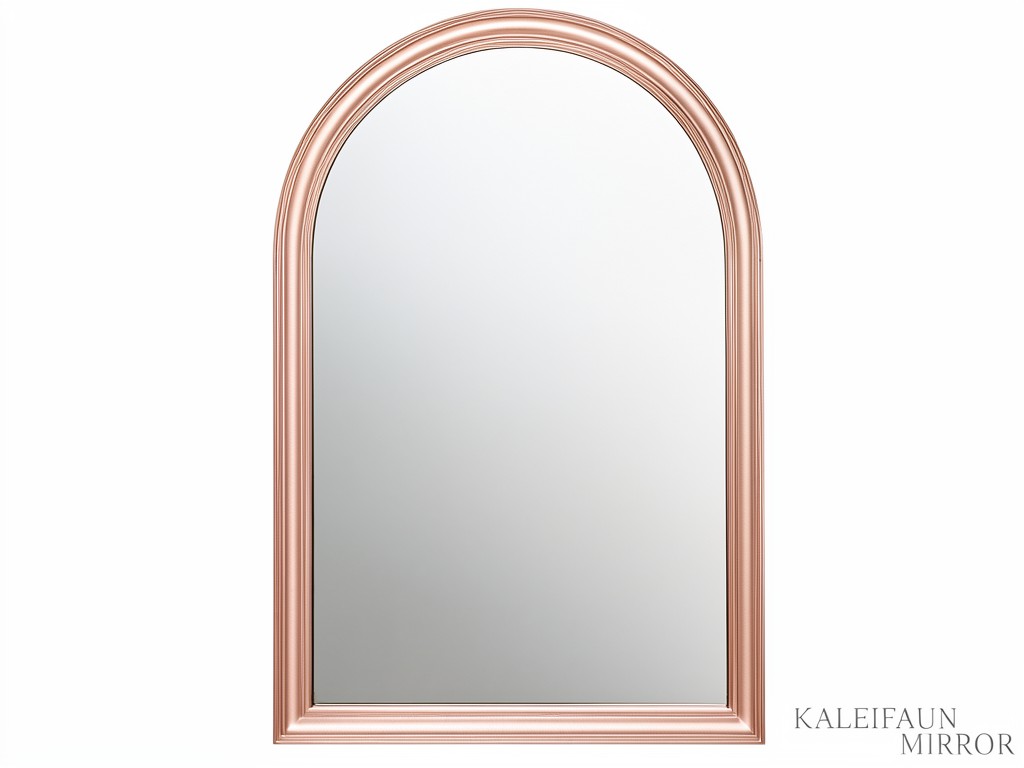
A heavier frame is not automatically the better choice. Compare the finished unit weight and mounting method against the installation instructions and the packaging plan.
Assumptions Buyers Should Stop Making
A colour name such as “rose gold” is not a controlled finish specification. It does not define hue, gloss, texture, or how much variation is acceptable between the frame and the approved sample. Reference a signed or retained sample, and agree how the factory will compare production pieces against it.
Do not assume that an arch shape guarantees the same overall proportions across sizes. Confirm the overall height and width, arch radius or profile reference, frame face width, glass opening, and hanging points on a drawing. A change to any of these can affect fit, appearance, carton dimensions, and the installation method.
A catalogue image is a visual reference, not a production tolerance. Use an approved sample and dimensioned drawing to control the items that matter on reorder.
What Can Be Customised and What Cannot
A private-label order can usually specify dimensions, frame profile, rose-gold shade reference, glass and backing options, mounting hardware, labels, and carton artwork. Each change needs a feasibility check against the existing tooling and production route. A finish change may require a new sample approval even when the mirror shape stays the same.
The arch profile, corner construction, and frame-to-glass fit are tied to fabrication and assembly. If the request changes the product geometry or requires new tooling, treat it as a development change rather than a colour variation. Confirm which parts remain fixed before pricing a private-label run.
OEM and ODM Programme Structure
For an OEM programme, the buyer supplies the approved product specification, branding files, and packaging requirements. The exporter checks whether the requested build matches available materials and processes, then confirms the sample and production reference before the order proceeds.
An ODM route starts from an existing mirror design and adjusts agreed details such as finish, size, hardware, label, or carton presentation. It is generally the more direct route when the goal is to match a private-label specification without redesigning the product. Ask which changes affect tooling, sample approval, or minimum order quantity before locking the order plan.
How Consistency Is Held Across Batches
Consistency is set at the forming stage. The frame profile, arch dimensions, and joint method establish the geometry; surface preparation and coating control the visible rose-gold finish. If the supplier changes the base metal or finish process, the approved appearance may shift even if the colour name on the purchase order remains unchanged.
Agree a factory inspection plan for overall dimensions, frame alignment, glass edge condition, surface marks, finish shade, and mounting hardware. The factory can retain a reference sample or approved finish reference for comparison at later production runs. Batch records should identify the relevant specification and inspection outcome so the importer can trace an issue to a shipment or lot.
Inspection criteria should separate cosmetic acceptance from functional checks. A minor shade difference may require a buyer decision, while a loose joint, damaged edge, or misaligned hanger can affect use and should have a clear disposition before shipment.
Export Packaging and Handling Protection
Glass edges and frame corners need protection against impact, vibration, and contact with other units during export handling. The carton design should match mirror size, unit weight, shipping mode, and the importer’s warehouse process. Individual inner protection can reduce contact damage; outer cartons or crates may be appropriate when the shipment format or product dimensions require them.
Before approving the packing layout, confirm how units are separated, where corner protection sits, whether the hanging hardware can strike the glass, and how cartons are marked for storage and handling. Ask for the packed dimensions and gross weight for freight review. Any carton artwork, barcode, or destination label should be approved before printing, since late changes can hold a finished order.
For quotation review, send the target dimensions, reference finish, frame and glass preferences, quantity, branding files, destination, and requested packing format together. Request a quotation review to confirm specification, sample approval points, and export packing before order placement.