Specifying custom shell accent wall mirror suppliers for Wholesale and OEM Orders
Weight and stiffness trade off against each other. A thicker backing can limit flex around the mirror and shell trim, but it adds freight weight; a lighter panel costs less to ship but needs suitable support and careful mounting. For a second source, compare the finished construction and inspection controls, not just the quoted dimensions.
Materials and Construction Trade-offs
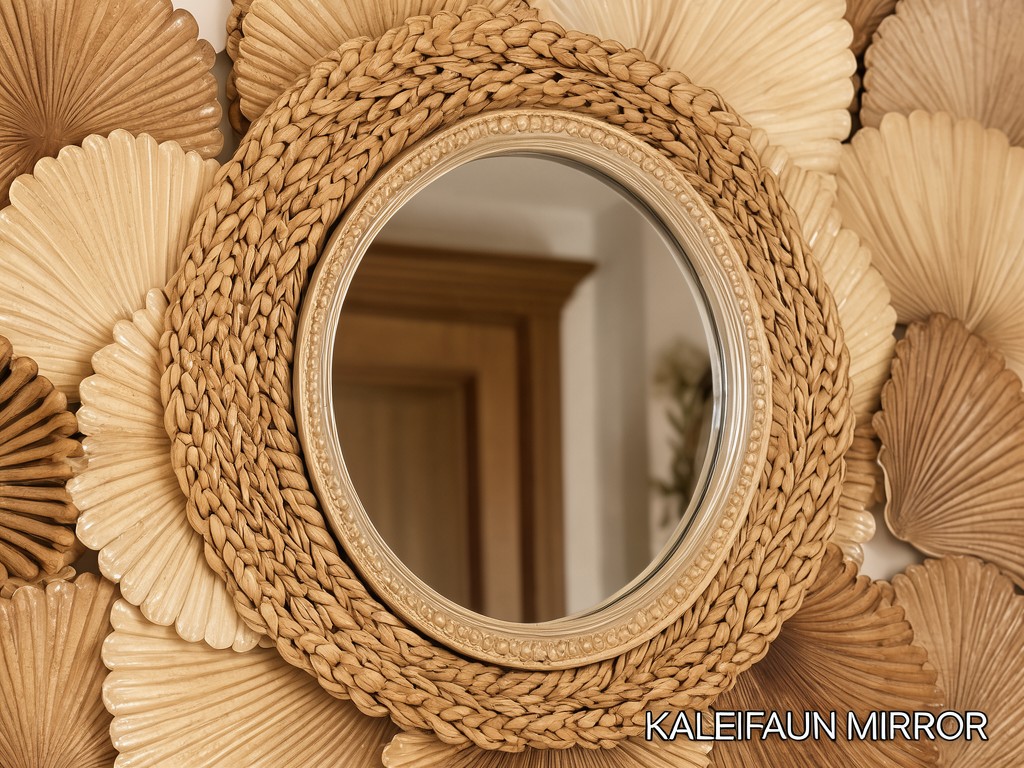
A typical shell accent wall mirror combines cut and edge-finished mirror glass, a backing or frame, and shell pieces fixed around the perimeter or across a decorative surface. Natural shell varies in tone, thickness and shape. That variation is part of its appearance, but sorting rules and an approved reference sample are needed if retail batches must read consistently.
Backing choice changes both wall load and resistance to flex. Engineered wood offers a stable base for many frame designs; plywood can suit constructions where screw retention matters. The adhesive must suit the selected shell, backing and expected indoor conditions. If the mirror will sit in a humid room, agree on the intended use and finish with the supplier rather than assuming every backing and adhesive combination is suitable.
Option Comparison by Usage Level
| Configuration | Suitable order profile | Trade-off to price | Check before approval |
|---|---|---|---|
| Shell accents applied to a simple frame or border | Initial retail runs and designs with a restrained accent area | Less shell coverage can lower material and placement labour; visible variation remains between natural pieces. | Review edge finish, shell spacing and tone against a signed sample. |
| Broader shell mosaic or heavier shell coverage | Established ranges where the decorative surface is a main purchase feature | More sorting and placement time raises unit cost; added mass and more bonded area increase the need for secure backing and careful packing. | Check shell adhesion, surface level and finished weight across multiple pieces. |
| Custom outline, frame profile or private-label finish | OEM programs with repeat orders and controlled product specifications | Templates, setup and sample approval add upfront work, but documented settings reduce avoidable variation on reorders. | Confirm dimensions, hanging hardware position, branding placement and carton fit. |
Assumptions Buyers Should Stop Making
The limiting factor is rarely the headline specification. A stated mirror size does not describe the frame’s usable outside dimensions, the shell’s coverage, the finished weight or the location and type of wall fitting. Put those details on the approved drawing or sample record before comparing supplier quotations.
A photograph is not a repeatable colour standard for natural shell. Agree on acceptable variation, sorting approach and any areas where shell tone needs closer matching. Likewise, “handmade” does not by itself define inspection: specify how loose pieces, sharp edges, visible adhesive and mirror surface defects are handled.
Repeat loading drives failure when a mirror shifts inside its carton or the hanging hardware pulls against an unsuitable backing. Ask for the hardware details and the mounting method, then check the complete product rather than judging the fitting in isolation.
Working as a Production Partner, Not a Catalogue Supplier
First-Run Control
Use a controlled sample to settle mirror dimensions, shell layout, backing, finish, hanging hardware and packaging. Retain the approved reference so the production team can compare later runs against the same visual and dimensional target.
Repeat-Order Control
Record material choices, artwork files, inspection points and revision status. This gives a second source a defined route to match the program and helps identify whether a difference comes from shell selection, assembly or packing.
For OEM and private-label orders, review the actual production checks before committing volume. A low unit price can become expensive if inconsistent shell placement, chipped glass or transit breakage triggers returns and replacement shipments.
| Inspection point | Factory check | Buyer-defined acceptance |
|---|---|---|
| Dimensions and finished weight | Measure the overall frame, mirror opening and finished piece; record weight by sample or batch plan. | Approved drawing, tolerance and any agreed weight range. |
| Glass and frame finish | Check for visible chips, scratches, uneven edges, frame damage and fit against the reference sample. | Written defect limits and visual reference agreed before the production run. |
| Shell placement and bond | Inspect coverage, spacing, exposed adhesive and loose or sharp pieces; apply an agreed handling check. | Approved pattern and acceptable natural tone variation. |
| Hanging hardware and packed product | Confirm hardware location and attachment; inspect protective separation and carton condition on packed samples. | Approved mounting arrangement and export pack-out specification. |
Volume Planning and Lead Time
A new outline, unusual shell layout or private-label finish needs sample and artwork approval before the production schedule can be set. Reorders can move faster when the approved sample, drawings and packing details remain current. Confirm the supplier’s available capacity by order window rather than relying on a catalogue lead time.
Minimum order quantities can depend on shell sorting, backing and frame procurement, finish batches and carton requirements. Ask which inputs drive the MOQ and whether a mixed design run is possible. For second-source qualification, compare the sample approval schedule, production slot and inspection plan alongside the quoted unit cost.
Export Packaging and Handling Protection
Mirror glass needs protection from direct impact; shell decoration needs separation from hard contact and pressure points. Approve the carton with the finished product inside, since a pack that protects the glass can still abrade shell pieces if the frame moves during transit.
Specify individual wrapping, corner protection, internal supports and carton orientation for the actual mirror shape. Confirm master-carton quantity, outer dimensions, handling marks and retail labelling before shipment. A packed sample or documented pack-out review can help identify movement and contact risks before a full export order leaves the factory.
Setup, Use and Replacement Parts
Use the specified wall fixing for the wall type and the finished mirror weight; the supplied hanger does not determine whether the wall itself can carry the load. Keep the shell frame clear of repeated knocks and standing moisture unless the supplier has approved the construction for those conditions.
- Clean mirror glass with a soft cloth and keep liquid cleaner away from shell joints, exposed backing and frame seams.
- Avoid abrasive pads and sharp tools on shell surfaces; they can scratch the finish or loosen an edge piece.
- For a damaged hanger, ask whether the supplier can provide a matching replacement and the correct fixing method for the original backing.
- Retain the product label or batch reference so a replacement request can be matched to the correct construction and finish.
Ordering, Tooling and Lead-Time Questions
What should an OEM drawing include?
Show the overall dimensions, mirror opening, frame profile, shell coverage and intended hanging hardware. Add finish references, acceptable natural shell variation, branding location and packing requirements. A physical sample can resolve appearance details that a drawing cannot show clearly.
Does a custom shape always require a mould?
Not necessarily. The supplier should confirm whether the requested mirror outline and frame can be made with existing cutting and assembly methods or need a dedicated template, fixture or other setup. Any setup charge and sample stage should be itemised before approval.
How do MOQ and lead time change for shell matching?
Tighter tone grouping and larger shell coverage can increase sorting and assembly time. Request separate timing for sample development, approval, production and export packing, and ask how the MOQ changes if the design uses a more limited shell selection.
What branding files are needed?
Provide final logo artwork and specify whether it belongs on a label, carton or product component. Confirm colour, placement and size on the sample or packaging proof before bulk production.
Qualifying a second source? Share the approved mirror dimensions, shell reference, target order volume and packaging requirements for an artwork-and-branding review before sampling.
Contact the production team to review your artwork and branding requirements.