Customized vintage art deco wall mirror China Factory - Bulk Supply and Specification Guide
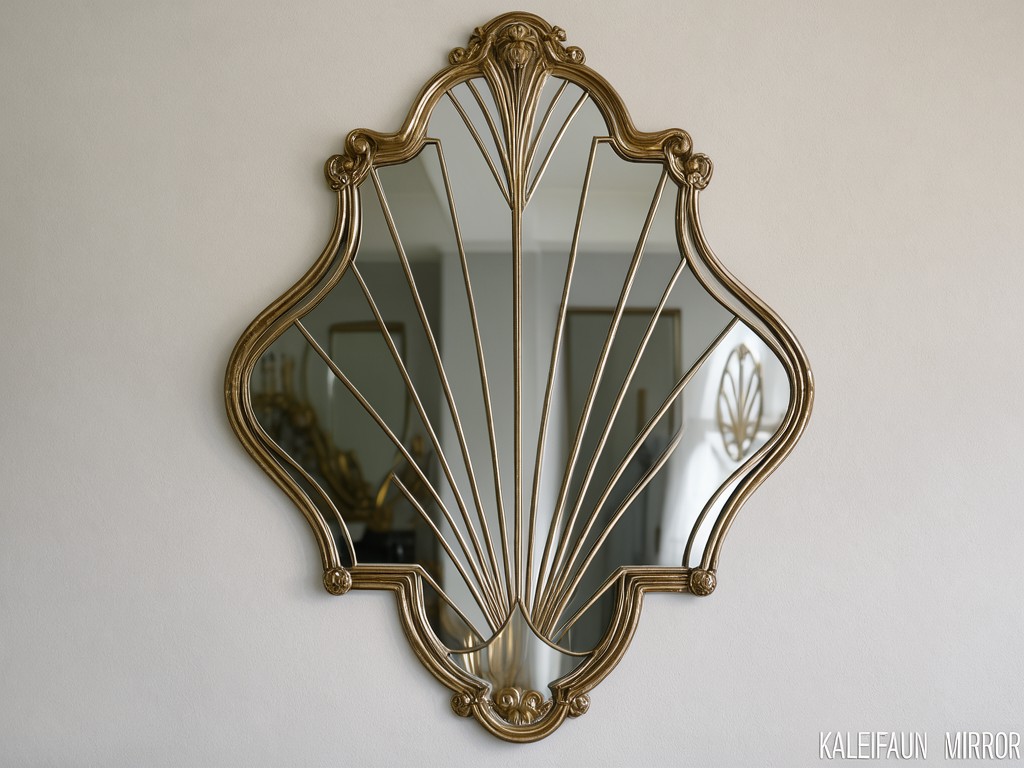
Before comparing quotations, set the finished width, height, frame depth and hanging orientation that your retail range will carry. A small change in the arch, stepped profile or sunburst detail can alter both material use and packed dimensions; those differences affect unit cost and freight space. Approve one reference sample against a dimensioned drawing, then use that version to control repeat orders.
Unit price and service life diverge when the glass, frame substrate and rear protection are treated as interchangeable. A low-cost frame can suit a dry bedroom range, while a sealed wood-based frame or a metal frame with a suitable finish is a better fit for rooms with regular humidity changes. The decision rule is practical: match the construction to the room conditions and the retail price point, then lock the finish and dimensions before production scheduling.
Comparing Two Standard Configurations
Two suppliers quoting the same specification may still deliver different visual weight, edge detail or frame colour. The table sets out common construction choices for vintage art deco wall mirrors; final material and finish depend on the approved drawing and target market.
| Configuration | Typical construction | Cost and use trade-off | Details to lock for repeat orders |
|---|---|---|---|
| Framed wood-based profile | MDF or plywood profile with painted, foil-wrapped or metallic-look finish; mirror glass and rear backing fitted to the frame. | Often cost-efficient for shaped profiles and coordinated colour ranges. Edge sealing and dry indoor placement matter where room humidity varies. | Profile dimensions, finish reference, colour approval, mirror size and hanging-point location. |
| Metal-framed profile | Formed metal frame with a plated or painted finish, paired with mirror glass and specified rear retention. | Can give a slimmer outline and consistent geometric edges. Finish selection and forming details affect cost; indoor use remains the sensible default unless the design is qualified for other conditions. | Metal thickness, corner geometry, finish shade, glass clearance and hardware position. |
Mirror glass thickness is selected against finished size, support and handling requirements; 3–5 mm is a common quotation range, not a substitute for a project specification. Keep the glass edge, frame rebate and retaining method consistent across the approved sample and production order.
Buying Mistakes That Lead to Returns
Returns often begin with a mismatch between the retail image and the physical mirror. A frame that looks slim in a front view may project farther from the wall than expected, while an unapproved metallic finish can read warmer or cooler under store lighting. Record the overall dimensions, frame depth, glass opening, orientation and finish reference together; separate notes are easy to interpret differently across a reorder.
Humidity-related complaints deserve attention for wood-based frames. If the frame edges or rear face lack suitable protection, moisture changes can contribute to swelling, finish damage or poor fit around the glass. For bathrooms or other damp rooms, request a construction intended for that exposure rather than treating a decorative indoor mirror as weather-resistant.
Colour drift between lots is another costly problem: it breaks a coordinated collection and can leave retailers with mismatched replenishment stock. Retain the signed sample or an agreed finish reference, and include the permitted appearance range in the purchase specification. If a finish change is needed to protect the launch date, approve it before the production slot is confirmed.
Usage Scenarios and Buyer Segments
The right construction depends on where the mirror will hang, how it will be displayed and the retail price the buyer must maintain.
Home Décor Retailers
For bedroom, hallway and living-room collections, buyers usually prioritize a recognizable art deco outline, a consistent finish and packaging that arrives shelf-ready. A wood-based frame can control cost across several sizes; keep the finish reference and profile dimensions fixed to reduce colour and size drift at replenishment.
Interior Brands and Hospitality Buyers
Brand product managers and contract-furnishing buyers may need matching pieces across multiple rooms or sites. Specify mounting orientation, hardware location and finish as controlled details; for humid interiors, select a frame and rear protection suited to the actual room conditions rather than assuming an indoor decorative finish will withstand damp exposure.
OEM and ODM Programme Structure
An OEM order starts from the buyer’s drawing, reference sample or existing specification. The factory can quote the agreed mirror size, profile, finish, hardware and retail packaging as one configuration; changes to any of these after sample approval may affect material purchasing and the production schedule.
An ODM brief is useful when the buyer has a style direction but no production-ready design. Share target dimensions, intended hanging orientation, preferred finish, target cost and artwork or branding needs. A sample approval stage gives both sides a physical reference for the silhouette, colour and frame-to-glass fit before bulk quantities are released.
For a coordinated range, identify shared components across sizes at quotation stage. Reusing a finish or hardware option can simplify purchasing, but each size still needs its own packing dimensions and handling review.
Capacity, Tooling and Scheduling
Launch timing depends on more than the assembly slot. New frame profiles may require dedicated tooling or setup, and custom finishes can add material approval time before the order is ready to run. Existing profiles and established finishes generally reduce those dependencies, but the confirmed schedule still depends on drawing approval, sample sign-off, quantity and material availability.
To protect a retail launch date, send the final artwork, dimensions, destination market and packaging requirements with the initial inquiry. Ask the factory to identify the approval deadline and the last date for specification changes; late colour or profile revisions can move material ordering and dispatch.
Tooling charges, sample timing and production lead time should be quoted against the selected configuration, not against a generic mirror category. Confirm whether tooling remains specific to one profile and whether a repeat order can use the same approved reference.
Stock Availability and Reorder Planning
Customized sizes, profiles and finishes are normally planned to order; do not assume that a photographed design is available as finished stock. Reorder dates are easier to protect when the buyer retains the approved specification, packaging configuration and finish reference, and shares the forecast before current inventory reaches its minimum.
| Packaging option | Typical configuration | Planning point |
|---|---|---|
| Individual export carton | Protective wrap, corner protection and cushioning inside a carton sized to the finished mirror. | Confirm carton dimensions and gross weight with the final mirror size; these affect freight calculations and warehouse handling. |
| Retail-ready pack | Individual protection plus buyer-specified label, barcode or printed carton artwork. | Supply approved print files and label placement before packaging materials are ordered. |
| Pallet or crate arrangement | Cartons arranged for the shipment plan, with extra protection where mirror size or freight handling calls for it. | Agree the loading method, destination requirements and pack quantity per shipment before dispatch planning. |
For repeat orders, compare the incoming lot with the approved dimensions and finish reference before combining it with remaining stock. A small mismatch may be visible across adjacent mirrors in a store display, even when each unit appears acceptable on its own.
Request a Quotation Review
Send your drawing or reference image, target quantity, required ship date, finish direction and destination packaging details. A specification review can flag cost or schedule risks tied to profile changes, finish approval, tooling and carton size before you release a purchase order.