custom scalloped edge corner wall mirror manufacturer - Bulk Supply and Specification Guide
What Actually Determines Performance
Material choice starts with the conditions the product will meet: the mirror’s size, the wall fixing method, and how often the surface will be cleaned. A lower glass thickness reduces material and freight cost, but a wide panel can flex more during handling and may show distortion if its support is uneven.
Production typically starts with a dimensioned drawing that identifies the corner fit, scallop profile, mounting points and finished edge. The glass is cut and shaped before the reflective coating and backing are applied. A sample made from the approved drawing lets the buyer check the profile, edge appearance and mounting position before a bulk order proceeds.
Cost trade-off: Smaller scallop radii and tighter profile changes take more shaping and inspection time. Agree the drawing and acceptable edge variation before sampling; otherwise, a visually minor change can trigger rework across an entire batch.
Measured Performance in Real Use
| Finish or colour option | Typical construction | Buyer consideration |
|---|---|---|
| Clear silver mirror | Clear glass with a reflective silver layer and protective backing. | A practical baseline for colour-neutral reflection and repeat orders. |
| Bronze or grey tint | Tinted glass paired with a compatible reflective coating. | Confirm the approved sample under the intended room lighting; tint changes the reflected colour and can affect replenishment matching. |
| Polished scalloped edge | Shaped perimeter with a smoothed, finished edge. | More involved profiles raise processing time; confirm that the approved sample has no visible chips or abrupt transitions at scallop valleys. |
In service, complaints usually cluster around three points: a reflected image that looks wavy, small chips at the scallop valleys, or backing damage after moisture reaches an exposed edge. A flatness and reflected-grid review can flag distortion before packing; visual edge checks and a backing inspection help catch finish defects before dispatch.
A protective backing film can reduce the risk of loose fragments if the glass breaks, but it does not replace suitable wall fixings or careful installation. For damp rooms, specify the intended environment and discuss edge sealing and cleaning guidance before approving the sample.
Specification Range and Customisation Limits
Drawing approval rule: Freeze the overall dimensions, corner angle, scallop count, radius, mounting method and edge finish on one approved drawing. A change to any of these after sample sign-off can alter fit, weight, tooling and unit cost.
Glass Thickness
Common starting points are 3–6 mm, subject to panel size, support and handling needs. Thicker glass adds weight and material cost; thinner glass needs careful support and packing to limit flex and edge impact.
Profile and Fit
Provide a full-size profile or dimensioned drawing for the corner, scallop spacing and fixing locations. The factory should confirm practical radii and tolerances against the selected glass thickness before sample production.
Weight and Mounting
Glass weight rises with area and thickness; a 4 mm sheet is roughly 10 kg per square metre before fittings. Confirm the wall substrate and mounting hardware separately, since the mirror specification alone cannot establish a safe wall load.
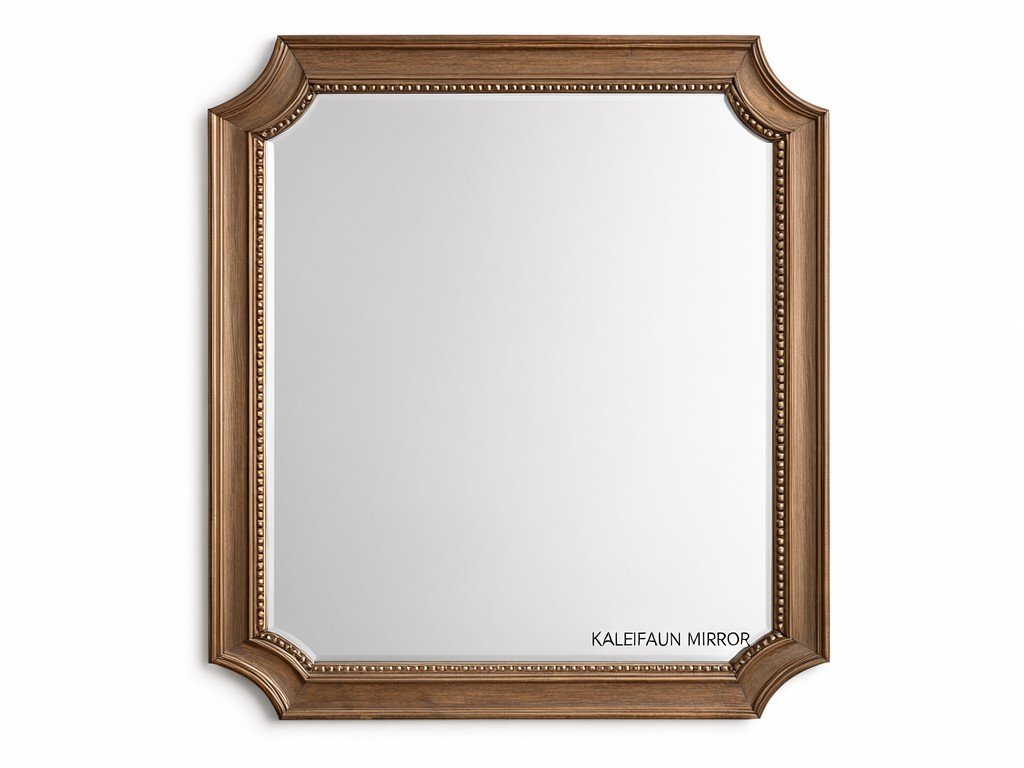
Tolerance should be recorded for the overall outline, mounting-hole position and visible profile alignment. Agree the measurement points and inspection method with the supplier before the first production run; a drawing without defined datums can produce parts that measure acceptably but do not sit square in the intended corner.
Usage Scenarios and Buyer Segments
Home Décor Brands and Importers
For retail assortments, the scallop profile and tint need to match the approved sample across reorder batches. Buyers should also review carton protection at the valleys and mounting instructions, where transit damage or installation confusion can increase returns per unit sold.
Hospitality and Interior Projects
Project purchasers often need several mirrors to align across adjacent rooms or vanity areas. Lock the dimensions, mounting points and finish sample before the order is released, then keep batch identification with the shipment for easier replacement matching.
Product and Purchasing Managers
For a range extension, compare the extra shaping and protective-packaging cost with the likely reduction in edge damage and replacement handling. A slightly higher landed cost can lower cost per unit sold when fewer mirrors arrive chipped or fail visual approval.
Before production, align the drawing revision, approved sample, packaging layout and carton label details. These records give the buyer a clear reference for reorder checks and help separate a manufacturing variation from damage that occurred in transit or during installation.
Quality Control and Batch Consistency
| Order stage | Indicative planning range | What affects the schedule or minimum |
|---|---|---|
| Pre-production sample | Often 1–3 weeks after drawing and finish approval. | Profile complexity, coating availability and sample-shipping time. |
| Bulk production | Often 3–6 weeks after sample sign-off. | Order quantity, glass type, packaging and current production loading; freight is separate. |
| Minimum order quantity | Quoted by shape, finish and packaging configuration. | Separate tint, carton design or low-volume profile runs can raise the practical minimum per SKU. |
Use these ranges for planning only; confirm the committed schedule and MOQ against the final drawing, finish and order mix. Sample approval should include a signed reference or retained sample, with the approved artwork and packing details attached to the same order record.
During production, checks can cover glass dimensions, scallop symmetry, mounting positions, reflected-image appearance, edge condition and backing coverage. Packing inspection should verify separators protect the shaped perimeter and that carton marks match the buyer’s shipping and retail requirements. Record defects by type and batch so recurring damage can be traced to cutting, finishing or freight protection rather than treated as a general quality issue.
For a quotation review, send the drawing or reference dimensions, target quantity by finish, mounting details, packaging requirements and delivery destination. Request a quotation review before sample approval to confirm the cost and production assumptions together.