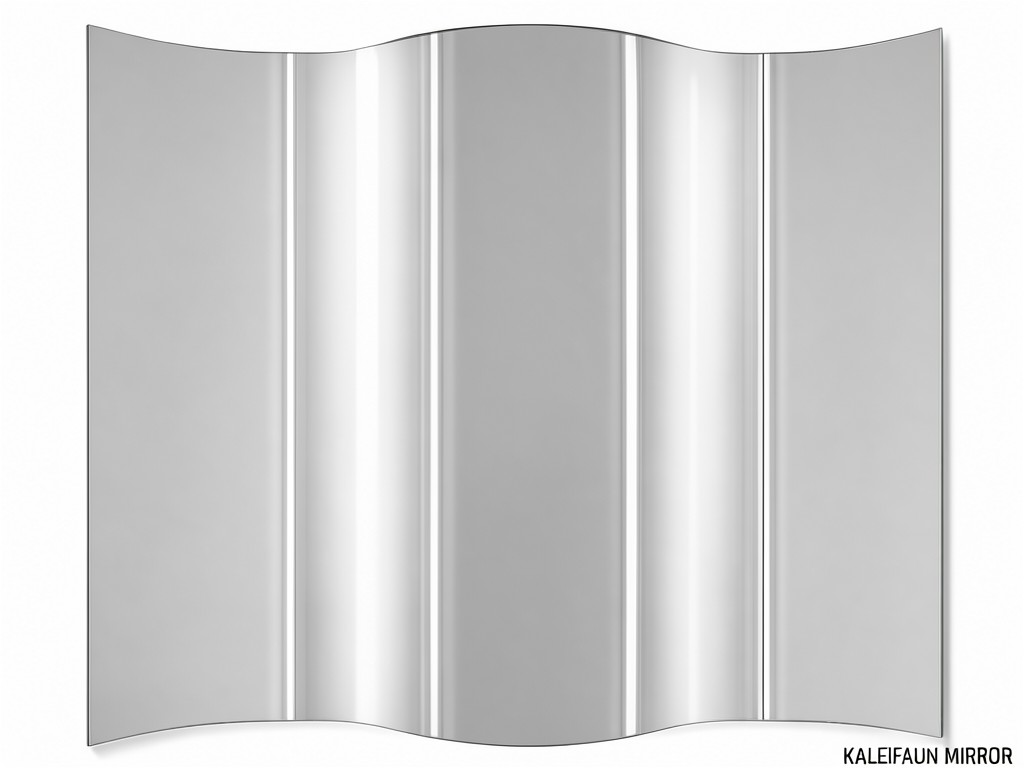
wholesale triple curve wall mirror factory: Specification, Ordering and Quality Notes
Choose the curve before fixing the panel size. A tighter curve expands the viewing angle but makes straight lines appear more distorted; a gentler curve gives a calmer reflection but covers less of the room. Matching all three panels simplifies visual alignment and repeat orders, while changing the side-panel curve requires closer sample approval.
Measured Performance in Real Use
Consistency depends on the curve radius, panel alignment and viewing distance. In a studio or fitting area, a small mismatch between the three reflected views can look like a product defect even when each panel is intact. Approve a full-size or representative sample from the intended viewing position, not only a close-up of the glass.
Wall flatness and bracket placement also affect the finished reflection. If the mounting surface twists the backing or pulls a panel out of plane, reflections can show uneven transitions at the joins. Sweat and humid air near pools can accelerate wear at exposed edges; frequent wiping with abrasive pads can scratch the reflective face or damage the protective backing. Specify suitable cleaning instructions for the actual installation environment.
Buyer check: Request the approved curve profile, glass thickness, edge treatment and mounting layout on the order record. Those details make a repeat batch easier to compare than a product name alone.
Comparing Two Standard Configurations
Deflection under load governs mounting choice more than the mirror’s appearance in a catalogue. A rigid wall and well-spaced supports help preserve the approved panel geometry; uneven walls or long unsupported spans call for a mounting review before production.
Matched-Radius Panels
All three hot-bent glass panels use the same curve profile. This configuration makes visual comparison and repeat purchasing more straightforward. It suits buyers who want a consistent viewing effect across multiple rooms or locations.
Differentiated Side Curves
The center and side panels use different curve profiles to change the viewing spread. This can suit a defined room layout, but it adds profile and alignment checks. Keep the approved drawing and sample as the reference for reorder production.
Either configuration can use a protective backing layer over the reflective coating. The precise glass thickness, edge finish and support method depend on panel dimensions, curve and installation details; confirm those items together rather than selecting them independently.
How to Choose Before Requesting a Quote
For repeat orders, provide the installed width and height, panel count, target curve or profile drawing, viewing distance, wall type and bracket locations. Add the intended room conditions, including proximity to pool humidity, direct sunlight and routine cleaning products. A factory can then review the glass, backing and packing plan against the real installation rather than quote from an incomplete size description.
| Order stage | MOQ and lead-time basis | Buyer confirmation |
|---|---|---|
| Profile review and sample | Depends on whether the curve uses existing tooling or needs a new profile, plus sample packing requirements. | Approve the drawing, reflection appearance, edge finish, mounting points and sample reference. |
| Repeat production | MOQ and lead time are confirmed against glass yield, order quantity, coating schedule and crate configuration. | Lock the approved revision, quantity by configuration, packaging marks and destination requirements. |
A confirmed quote should separate any one-time profile or sample charges from unit pricing. That distinction helps private-label and wholesale buyers compare the cost of a new curve against the savings from a stable repeat specification.
Customisation Options and Their Limits
The interface between parts determines whether the mirror looks like one coordinated unit after installation. Panel width, curve profile, edge polish, backing protection and bracket position can be specified, but changes to one may affect the others. A new curve profile can require dedicated forming tooling and another approval sample; changing only a carton mark is a simpler revision.
Brand labels, care instructions and carton artwork can be prepared for private-label orders. Confirm label location and language before packing. Avoid promising that a coating or backing is suitable for chlorine exposure or strong cleaners unless the exact materials and care limits have been reviewed for that use.
Curved glass can show optical variation if the forming profile or viewing conditions change. Keep the approved sample under controlled storage and use it as the visual reference for later batches; do not use an unapproved change in curvature to solve a mounting issue on site.
Usage Scenarios and Buyer Segments
Fitness studios use triple-curve mirrors so instructors and members can check movement from more than one angle. Their purchasing teams should consider repeated wiping, sweat contact and the cleaning routine used between sessions; exposed edges and backing need protection from moisture intrusion.
Dance schools and rehearsal rooms tend to value consistent reflection across a broad wall run. Multiple units installed side by side make curve matching and alignment especially visible, so buyers should confirm the viewing effect across the intended room width.
Retail fitting areas may select a curved multi-panel mirror for a wider view in a compact space. Frequent customer contact and cleaning make edge finish, stable wall attachment and clear care instructions relevant to warranty and return control.
Segment-Specific Requirements
For multi-site fitness operators, prioritize a repeatable panel profile, common mounting layout and reorder identification. A buyer should verify whether the installation area has pool-adjacent humidity or strong daylight, since those conditions can affect the choice of backing protection and cleaning guidance.
Dance and education buyers often install long mirror runs. Confirm wall tolerances, panel-to-panel spacing and the acceptable visual transition before approving production. Local installers also need clear handling instructions because a chipped edge or forced fit can turn an undamaged shipment into an installation claim.
Importers and private-label buyers should align carton dimensions, unit labels, language and destination marking before the packing trial. Retail presentation requirements can add packaging cost, while a shared pack format across repeat orders can reduce artwork changes and picking errors.
Quality Control and Batch Consistency
Batch checks should compare dimensions, panel count, curve profile and edge condition with the approved drawing and sample. A profile template or measured reference can flag shape drift; a straight-line reflection check can reveal uneven distortion or poor alignment that a measurement alone will miss.
Inspect the reflective face for visible marks and the coating or backing for uncovered areas, pinholes or damage. Check brackets and fixing points against the installation drawing. Keep the inspection record tied to the production batch and approved revision so a later warranty report can be traced to the delivered configuration.
A sample approval is not a substitute for production checks. If a supplier changes glass thickness, forming setup, backing material or support hardware, require a documented review before the change enters a repeat order.
Packing, Marking and Freight Configuration
Curved glass needs protection at the face, edges and points of support. A suitable export pack restrains each panel against movement and separates glass surfaces; the crate or carton must also prevent concentrated pressure on the curve. Confirm the pack design with the panel dimensions and the planned shipping route.
Agree carton labels, orientation marks, handling symbols and batch identification before shipment. For container loading, confirm the unit count per pack and pack dimensions early, since a protective crate can change freight volume and landed cost. A packing trial can expose movement or edge-contact risks before the full order is prepared.
For a tooling review, send the target dimensions, curve profile or reference sample, wall-mounting details and intended cleaning environment. Contact the factory to review tooling, sample approval and repeat-order controls before finalising the purchase specification.