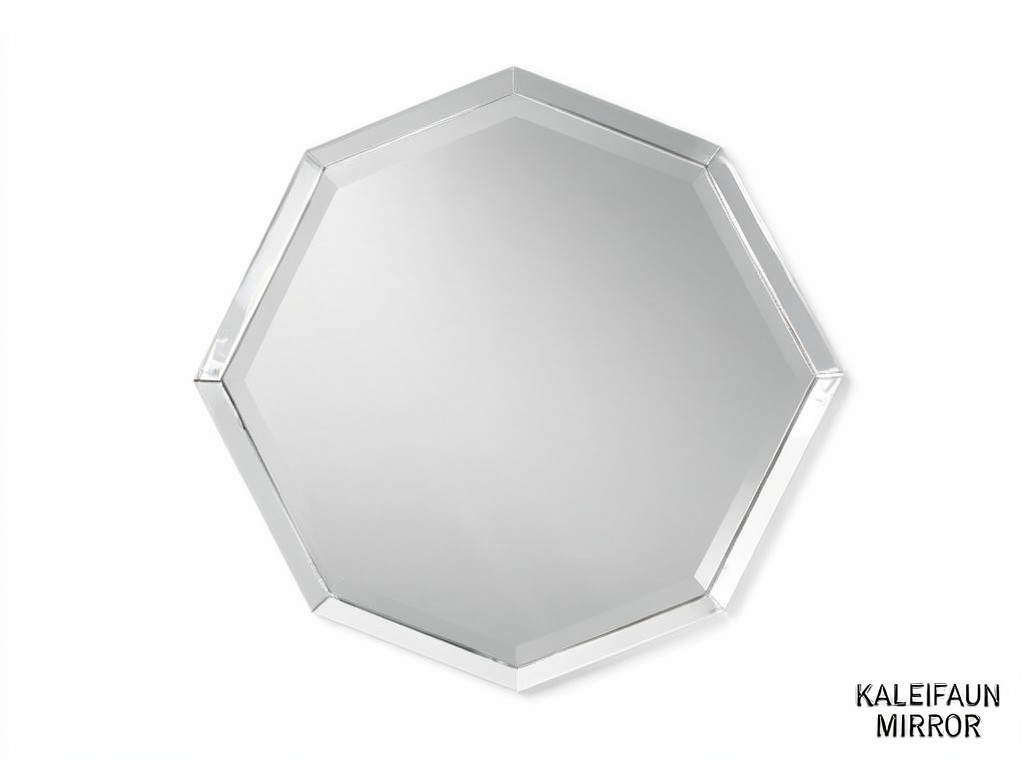
Specifying Custom octagonal resin wall mirror factory for Wholesale and OEM Orders
Unit price and service life diverge when frame finish, mirror-edge protection, or hanger construction changes between production lots. For a private-label order, compare the approved sample and written specification against the factory’s repeat-process controls, not only the quotation.
This product is an indoor wall mirror with a molded or cast resin frame in an octagonal form. Procurement teams and distributors typically buy it as a finished decor item, with the frame profile, mirror size, finish, and hanging method fixed to an approved reference.
Scope of Supply and Physical Form
| Item | Typical supply definition | Buyer control point |
|---|---|---|
| Mirror unit | Mirror glass set into an octagonal resin frame, with a rear support and wall-hanging provision. | Confirm overall dimensions, visible glass area, frame profile, and hanger position against the approved sample. |
| Resin frame | Cast or molded resin with a painted, coated, or textured decorative surface. | Specify color reference, surface sheen, edge coverage, and acceptable appearance variation. |
| Retail-ready identification | Private-label identification can follow the buyer’s approved product and carton artwork. | Approve artwork and placement before the production run. |
The mirror, frame, backing, and hanger form one saleable assembly. Buyers matching an existing private-label line should freeze the reference sample and dimensional drawing before ordering; a similar-looking frame can still expose more glass, sit differently on the wall, or change the finished weight.
The Problem Buyers Keep Paying For
Two suppliers quoting the same specification may use different frame-making routes, coatings, or mirror-retention methods. Those differences often appear later as shade variation, rough casting edges, loose backing, or damaged mirror edges rather than as a visible price difference on the order sheet.
A low unit price can be offset by replacement shipments, retailer deductions, and warranty claims if the next batch no longer matches the first. The practical decision rule is to compare the cost of inspection and process control with the expected cost of returns, not to treat each mirror as a one-time purchase.
For an indoor decor mirror, “weather resistance” needs a defined service condition. Resin finish and mirror backing may tolerate ordinary indoor humidity, but that does not make the assembly suitable for direct rain, persistent condensation, or unprotected outdoor installation.
What Actually Determines Performance
Performance depends on fit and retention as much as appearance. If the glass sits unevenly in the frame, gaps can vary around the octagon; if the rear support or adhesive is poorly matched to the assembly, movement in handling can loosen the mirror or stress its edges.
Cast Resin Frame
A cast frame can reproduce deeper ornament and sculpted profiles. The trade-off is that mold condition, resin cure, and finishing affect edge definition and piece-to-piece appearance, so the approved sample should define acceptable surface variation.
Molded Resin Frame
A molded route can suit repeat orders with a stable profile and controlled cycle. Tooling and setup costs matter at launch, while repeat production can reduce profile variation once the tool and finishing sequence are held constant.
Mirror glass thickness, edge finish, frame seat, and retention method should be considered together. A heavier glass panel may improve rigidity, but it also raises total weight and the demand on the hanger and rear support; the decision should follow the intended size and installation method.
Construction Method and Its Effect on Consistency
Production normally begins with a frame tool or mold matched to the approved profile. The resin is cast or molded, cured, trimmed, and finished; mirror glass is then checked, fitted into the frame, and secured with the specified support or retention method.
Each handoff can shift the finished product. A frame that leaves the mold before adequate cure may distort during finishing, while inconsistent trimming can alter the glass seat. A controlled assembly fixture and a fixed retention sequence help maintain the visible reveal and reduce movement between frame and glass.
For private-label repeat orders, the factory should keep the approved sample, drawing, finish reference, and inspection limits linked to the same product revision. A revision record matters when a finish or supplier input changes; without it, the next order may meet the nominal dimensions but differ in sheen or color.
Size, Weight and Specification Range
Unit price settles the question only after size, glass, frame depth, and hanger capacity are aligned. The ranges below are planning references, not a fixed catalogue specification; final values depend on the approved octagonal profile and materials.
| Parameter | Indicative range | Specification note |
|---|---|---|
| Overall width across flats | About 300–900 mm | Confirm the measurement points and the visible mirror opening on the drawing. |
| Mirror glass thickness | About 3–5 mm | Select with frame-seat depth and finished weight in mind. |
| Frame depth | About 25–60 mm | Profile relief and rear clearance can change the depth. |
| Finished unit weight | About 2–10 kg | Depends on overall size, glass thickness, and frame mass; verify the hanger for the final assembly. |
Set tolerances for overall size, glass centering, and finished weight before mass production. If the mirror is sold as a close match to an existing item, agree on measurement method and visual limits as well as nominal dimensions.
Quality Control and Batch Consistency
A repeatable inspection plan should check the frame before assembly and the mirror after fitting. First-article approval establishes the target; production checks then compare each lot with that reference instead of relying on a general visual judgment.
- Measure overall width, height, frame depth, and glass opening at agreed points.
- Compare resin color, sheen, casting edges, and surface defects with the approved finish sample under consistent viewing conditions.
- Check mirror edges for chips, confirm the glass sits evenly, and inspect the rear support and hanger for secure attachment.
- Record finished weight and lot identification where the buyer needs batch traceability for follow-up claims.
A handling or hanger check should use the completed assembly and the agreed installation orientation. The test method and acceptance limit need to reflect the product’s declared use; a result from a frame-only check does not confirm that the mirror, backing, and hanging point work together.
Care, Storage and Service Life
Service life depends on where the mirror is installed and how moisture reaches its edges and back. Specify indoor use unless the completed construction has been assessed for a more demanding environment; direct water exposure or persistent condensation can affect mirror backing and frame finish.
For routine care, use a soft cloth and a cleaner suitable for mirror glass. Keep liquid away from the glass edge, frame joints, and rear support. Store units in a dry, temperature-stable area and avoid stacking pressure against the frame corners, where localized loads can mark the finish or stress the glass.
Warranty terms should distinguish manufacturing defects from damage caused by installation, impact, or exposure outside the stated service conditions. That distinction gives distributors a consistent basis for returns review and helps the factory trace recurring defects to a specific lot or process stage.
Questions Buyers Ask Before Ordering
Can a repeat order match an approved private-label sample?
Yes, provided the sample, drawing, resin finish reference, and inspection limits are retained against the same product revision. Buyers should review a pre-production sample when a tool, material, or finishing input changes.
How do size and glass thickness affect the quotation?
A larger octagon uses more glass and resin, while thicker glass adds material cost and finished weight. The hanger and rear support may also need a different specification, so quote comparisons should use the same overall dimensions and glass thickness.
What MOQ and lead time should procurement allow?
The schedule depends on whether existing tooling and approved materials fit the specification or new tooling and sampling are required. The ranges below are planning estimates only; confirm the production slot, sample approval timing, and order quantity with the factory before committing a launch date.
| Order condition | Indicative MOQ approach | Indicative timing |
|---|---|---|
| Existing frame tool and established finish | Often lower than a new-tool order; confirm by size and production setup. | Production commonly requires about 30–45 days after sample and order approval. |
| New frame profile, tool, or finish development | Higher quantities may be needed to absorb setup and tooling costs; confirm before development starts. | Allow additional sampling and tool preparation time; total timing is confirmed after the specification review. |
Which artwork and reference files help prevent batch drift?
Provide a dimensioned drawing, approved physical sample where available, color reference, finish description, and private-label artwork file. Mark critical dimensions and visual acceptance points so the factory can inspect against the same requirements throughout the order.
Review the Specification Before Quotation
Send the target size, glass thickness, frame profile reference, finish requirements, expected order quantity, and installation conditions for a specification review. This lets the factory confirm process fit, inspection points, MOQ, and schedule before the private-label sample is approved.