custom semi circle wall mirror suppliers: What Buyers Should Check Before Ordering
When a brand extends an existing range, a semi-circle wall mirror may look like a simple size variation, but a new outline can change cutting yield, edge work, packing and installation. Confirm those details early if the retail launch date depends on more than a sample arriving on time.
For private-label buyers, the key is to approve the complete build—not only the glass shape. Glass thickness, edge finish, backing, frame and mounting method all affect the mirror’s handling, service life and transit risk.
What This Product Is and Where It Fits
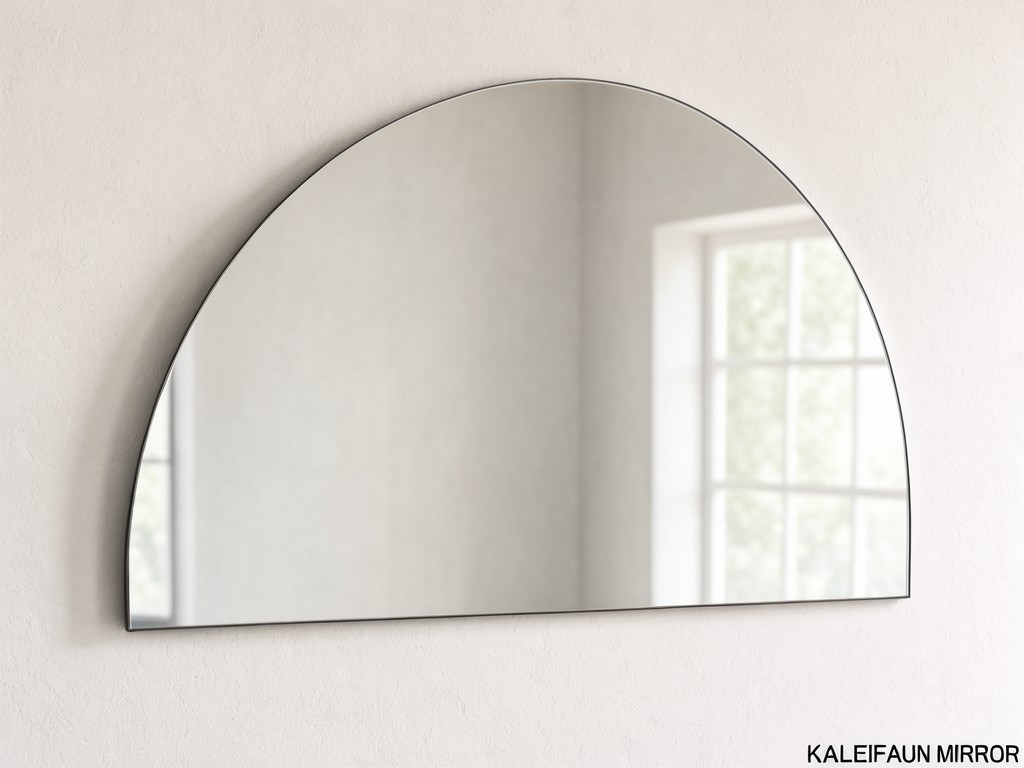
A semi-circle wall mirror is a wall-mounted mirror with a straight base and a curved upper edge. Suppliers typically make it from cut and polished mirror glass, with a protective backing and either exposed finished edges or a frame. Buyers use the shape in entryways, bedrooms, bathrooms, salons and hospitality interiors where a full rectangular mirror would not suit the wall layout.
The straight edge needs to sit level, and the curved edge should read as an even arc from the intended viewing distance. Polished edges also matter where users can reach the mirror during cleaning or daily use; a rough edge can feel unpleasant and can complicate safe handling during installation.
Construction Method and Its Effect on Consistency
Production commonly starts with float glass cut to a template, followed by edge grinding and polishing. The reflective layer is then applied to the glass and protected with backing coatings; some programmes specify a framed build, while others use polished exposed edges. Keep the approved drawing tied to the production template so later runs follow the same arc and base dimensions.
A change in glass thickness affects weight, edge appearance and the hardware needed to hold the mirror. Larger formats also leave less room for handling errors during curved-edge processing. Ask the supplier to quote from the intended finished dimensions and mounting method, rather than estimating from a photograph or a nominal size alone.
Approve one reference sample with its final edge, backing and mounting components. A glass-only sample cannot confirm how the complete mirror sits against the wall or how the packed unit will handle in distribution.
How to Choose Before Requesting a Quote
Use the intended room and installation method to narrow the build before comparing unit prices.
- Set the finished width and height from the wall plan. If the mirror must align with furniture or a vanity, provide the target base height and mounting position as well as the overall dimensions.
- Choose the edge treatment. For exposed glass, specify a polished perimeter; for a framed version, define how the frame covers and protects the glass edge.
- Match the backing and hardware to the room. Bathrooms, changing areas and other humid spaces need more attention to edge sealing, backing protection and corrosion-resistant mounting components than a dry bedroom wall.
- Confirm the freight format before approving the price. If each mirror ships as a retail unit, request packaging that protects the curved edge and corners through storage, handling and final delivery.
- Compare quotations against the same approved drawing and packing specification. A lower price may reflect thinner glass, a different backing system or a simpler edge finish rather than an equivalent build.
What Can Be Customised and What Cannot
Custom work can cover the overall dimensions, arc proportions, glass thickness, edge finish, frame profile, backing and mounting hardware. Artwork and packaging can also be matched to a private-label range. Changes to the outline or finished size may require a new cutting template and a revised packing layout, so include them in the launch schedule.
Exposed Polished Edge
This option keeps the silhouette visually light and avoids a frame profile. It places more importance on the quality of the edge finish and on protective packaging around the curved perimeter.
Framed Perimeter
A frame can cover the glass edge and support a defined retail finish, but it adds material, weight and another joint or surface that must tolerate cleaning. Confirm the frame finish and corner construction on the approved sample.
Glass cannot be treated as a flexible component after cutting: the chosen outline, thickness and edge process must work together. Direct sun, repeated wet cleaning and abrasive pads can also shorten the life of some coatings or finishes, so specify the actual care conditions rather than relying on a general “bathroom suitable” description.
Usage Scenarios and Buyer Segments
Cleaning habits and the room environment influence which construction details matter most. Use the guide below to flag conditions in the quotation brief; it is not a substitute for confirming a specific mirror and care routine.
| Use condition and buyer | Likely wear concern | Build detail to discuss |
|---|---|---|
| Bathroom retailer or vanity brand; regular moisture and wipe-downs | Moisture at the edge can affect the reflective backing over time. | Discuss backing protection, edge exposure and cleaning instructions. |
| Gym, studio or salon buyer; frequent handling and cleaning with sweat or product residue present | Repeated wiping or abrasive cloths can mark the frame finish and stress exposed edges. | Specify the cleaning method, frame finish and edge protection for the intended service routine. |
| Hospitality or pool changing-area procurement; humid air and possible chlorine exposure | Persistent humidity and chemical vapour can challenge exposed metal components and mirror edges. | Review mounting hardware, backing coverage and maintenance expectations for the room. |
| Home décor importer; long storage periods and occasional direct sunlight | Sunlight can fade some frame finishes, while poor storage protection can lead to edge chips. | Match finish choice to placement and include stable edge and corner protection in the pack. |
OEM and ODM Programme Structure
An OEM order follows the buyer’s drawing, finish selection, branding and pack requirements. An ODM programme starts from a supplier’s existing design and adapts details such as size, frame finish or packaging. The ODM route can reduce early development work when the standard arc and construction already suit the range; a new outline or hardware arrangement can add sampling time.
Set a dated approval sequence for the drawing, physical sample, artwork and packaging. Confirm which sample represents the production finish, how changes after approval affect the schedule, and when the order quantity becomes fixed. Those decisions help procurement compare the quoted lead time with the actual launch plan.
Keeping Repeat Orders Supplied
Moving from sample orders to container loads changes the supply questions. Glass and finished mirrors take substantial space, while a revised carton or mixed-size assortment can alter how many units fit in a shipment. Ask whether the supplier holds standard components or produces each order to schedule; a custom curve or frame colour may not be available as finished stock.
For repeat orders, retain the approved drawing, finish reference, mounting details, care copy and carton specification under one item code. A reference sample helps resolve finish drift, while clear batch identification helps the buyer separate new deliveries from earlier stock. Confirm reorder timing and booking requirements before committing to a seasonal launch date.
If retail artwork or branding is still in progress, send the logo files, packaging layout and target order date together. Request an artwork-and-branding review before production approval so label changes do not hold up the shipment.
Request an artwork and branding review with the proposed dimensions, edge choice, intended room conditions and delivery window.