Discount brass rectangular bathroom mirror: Specification, Ordering and Quality Notes
Most quality disputes start with a consistency gap.
Across reorders, a small shift in frame tone, corner alignment, or glass position can make an otherwise matching bathroom mirror look like a different SKU. For importers and private-label product managers, the useful cost comparison is not just the unit price: it is the cost of holding the approved appearance and fit across production runs without changing the design.
Design Constraints Behind the Specification
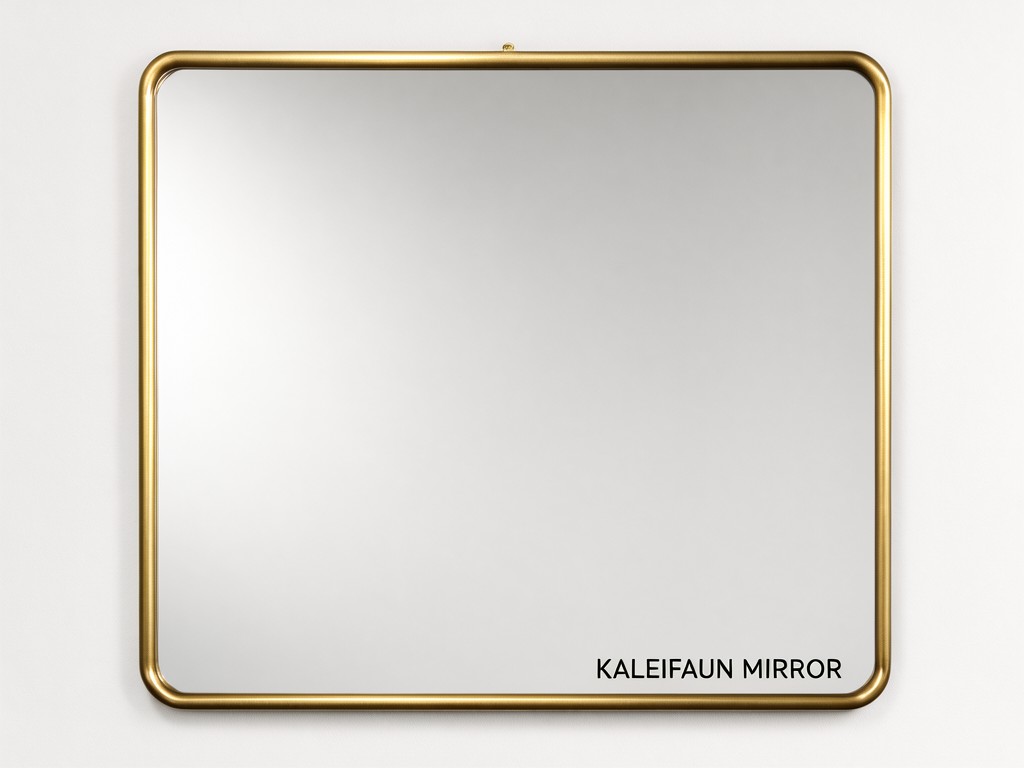
A rectangular mirror depends on repeatable glass dimensions and square corners before the brass frame is fitted. If the frame is built around variable glass sizes, corner gaps and uneven reveals become visible at the front; if the glass is held too tightly, assembly pressure can cause edge damage. The production drawing should therefore state the glass size, frame face width, corner construction, and permitted reveal as one matched specification.
Bathroom humidity also makes the rear construction relevant. A protected mirror backing and sealed frame joints limit moisture access, while a smooth, finished frame edge avoids a rough touch at hand height. Brass appearance can vary between batches, so the approved sample should define the finish tone and sheen under consistent viewing conditions.
Specification rule: Freeze the frame profile, glass dimensions, finish reference, and mounting position against the approved sample. A change to any one of these can alter the visual fit, tooling setup, or carton layout.
Size, Weight and Specification Range
Common retail formats include 400 × 600 mm, 500 × 700 mm, and 600 × 800 mm, but the existing private-label drawing takes priority over these indicative sizes. Glass thickness is commonly 4–5 mm; final weight depends on glass area, frame profile, backing, and mounting hardware, so confirm it from the approved sample rather than estimating from the outside dimensions.
- Record overall height and width, glass opening, frame face width, and corner-to-corner diagonals.
- Specify the brass tone and surface sheen by physical reference or signed sample; photographs alone can shift with lighting and screen settings.
- Match the rear hanging hardware and its position to the buyer’s installation requirements before the production drawing is released.
- Set dimensional tolerances with the supplier against the product drawing, especially where the mirror must fit a recess or coordinate with a vanity.
Comparing Two Standard Configurations
Choose the edge treatment against the retail price point and the approved reference. Both options can retain the same outer dimensions and brass frame profile.
- If the approved SKU has a plain polished edge:
- Keep the glass edge treatment simple for a lower processing cost and a clean, direct fit against the frame.
- Check that the edge is smooth and fully concealed where the frame design covers it.
- If the approved SKU has a bevel:
- Allow for the extra glass-edge operation and confirm bevel width on the sample; it adds a visible detail and raises processing cost.
- Check that the bevel remains even at the corners and does not conflict with the frame opening.
A bevel is not a substitute for correcting an uneven frame reveal. Keep the chosen edge treatment fixed across reorders if the product must match an existing shelf sample.
Usage Scenarios and Buyer Segments
For bathroom retailers and home-furnishing importers, the mirror is usually selected as part of a coordinated vanity range. Matching the frame tone to taps or cabinet hardware matters at the point of display, while smooth edges and secure rear fixings matter during installation and daily use.
Hospitality buyers may specify the same format for guest bathrooms, where frequent room turnover puts extra attention on mounting stability, frame-joint fit, and packaging that protects the corners through multi-unit delivery. Private-label product managers benefit most from retaining an existing drawing and sample; design changes add approval steps and can disrupt SKU continuity.
Quality Control and Batch Consistency
Frame-forming and assembly fixtures have a direct effect on corner alignment and glass position. Once the dimensions and frame profile are stable, repeat orders can use the same setup; changing the profile or opening dimensions may require fixture adjustment, a new first-off sample, and additional approval time. Confirm whether the quoted setup cost is a one-time tooling charge or part of the unit price.
Higher order volume can spread fixed setup and sampling costs across more units, but it does not remove the need for finish control. A larger batch also needs a clear reference for brass tone, surface sheen, and acceptable variation. Batch identification on cartons or production records helps the buyer trace a finish complaint to the relevant production lot.
For reorders, retain the approved sample and drawing revision as the comparison point.
What Gets Checked Before Shipment
- Measure overall dimensions and compare both diagonals to identify a frame that sits out of square.
- Inspect the brass finish for visible tone differences, scratches, coating skips, and handling marks under consistent light.
- Check glass edges, face condition, backing coverage, frame joints, and the fit between glass and frame.
- Verify mounting hardware quantity and position against the approved drawing, then check that the mirror sits securely on its intended fittings.
- Review the packed unit for corner protection, movement inside the carton, correct SKU labelling, and carton marks requested by the importer.
Volume Planning and Lead Time
For an unchanged SKU, volume planning is mainly a question of glass availability, frame-forming capacity, finish-batch scheduling, and packing materials. A new size or altered profile can add fixture work and sample approval before the production slot is confirmed. Request separate timing for sample approval, production, and packing; a single quoted lead time can hide delays between these stages.
Larger orders may lower the unit cost when setup and finish-batch expenses are spread over more pieces, but they also need earlier confirmation of packaging quantities and shipping marks. Minimum order quantities and lead times depend on the selected size, finish process, and current material schedule; confirm them against the final specification rather than relying on a general catalogue figure.
| Packaging point | Confirm for the order |
|---|---|
| Individual unit protection | Glass-face protection, frame-corner guards, and internal restraint suited to the mirror dimensions. |
| Outer carton | Carton size, units per carton, handling marks, and any retailer or importer label requirements. |
| Export consolidation | Pallet or container loading plan, carton orientation, and batch or SKU identification for receiving checks. |
Send the current drawing, approved finish reference, target order quantity, and packaging brief together. A specification review can identify tooling or packing changes before they affect the quoted unit cost and production schedule.
Request a specification review for a matching private-label brass rectangular bathroom mirror.