Selection rule: agree the backboard substrate, black surface finish, mirror attachment and mounting arrangement before comparing unit prices. Engineered wood can suit a cost-led programme; plywood may suit buyers who prioritise a different balance of stiffness, weight and screw-holding. Neither choice replaces a clear moisture-use limit or an approved production sample.
Wholesale black wood backboard bathroom mirror: What Buyers Should Check Before Ordering
Unit price settles the question only after both suppliers have priced the same mirror dimensions, backboard material, black finish, mounting hardware and export pack. For a second-source qualification, the useful comparison is whether the construction and approval record can be repeated across batches, not whether two quotation lines use similar wording.
How It Performs in Use
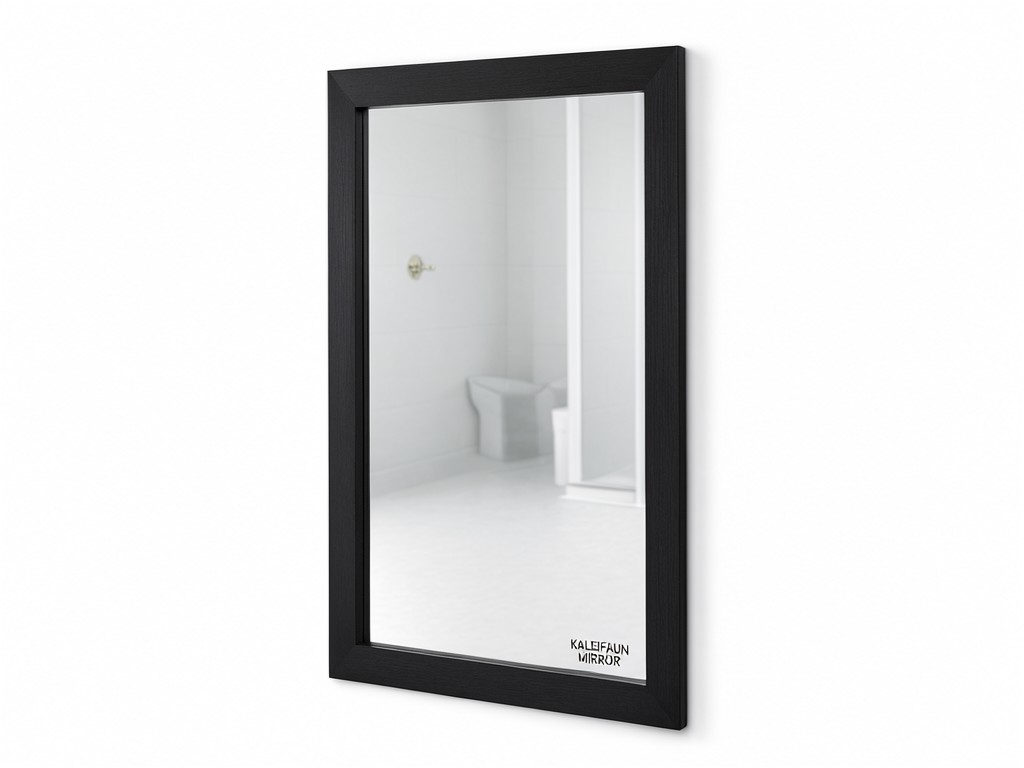
The mirror reflects from the glass; the backboard supports the assembly and provides the black rear surface or visible border specified in the design. The supplier may use MDF or another engineered wood panel, plywood, or a buyer-approved substrate. Adhesive, retaining clips or a combination can secure the glass, while the hanging method transfers the finished product’s load to the wall.
Bathroom service conditions matter. Repeated humidity can affect exposed board edges, coatings and the bond between glass and backing; direct water contact is a different condition from normal room humidity. Buyers should define the intended installation area, edge coverage and care instructions. A sealed or laminated surface may simplify wiping, but exposed cut edges and drilled mounting points still need review against the agreed construction.
Serviceability check: approve the hanging hardware and its position on the drawing, then confirm that the hardware remains accessible after assembly. If the mirror is bonded across the full back, replacement of broken glass may not be practical; if the design uses retainers, their visibility and fit become part of the appearance approval.
Where This Product Beats Standard Alternatives
Before comparing quotations, decide what the black wood backboard contributes to the range. Against a frameless mirror, it can provide a defined dark rear profile and a mounting base without a separate visible metal frame. Against a framed mirror, it can reduce the number of visible trim components, though the edge detail and panel finish then carry more of the product’s appearance.
The cost trade-off follows the finish and assembly. A printed or laminated black surface can give a repeatable colour across production when the material and process are held constant; a painted finish may offer a different surface character but needs defined coverage, sheen and touch-up acceptance. A thicker or denser backboard can support some hanging arrangements, but it also adds weight and freight volume. Select on the installed design and pack-out, not on substrate name alone.
Assumptions Buyers Should Stop Making
Two suppliers quoting the same specification can still deliver different products if the drawing leaves construction details open. “Black wood backboard” does not identify a substrate, surface process, edge treatment, glass retention method or hanging system. Request a marked drawing and a signed sample record that show those choices.
Do not treat a product photograph as a tolerance document. Confirm finished width and height, overall depth, squareness, glass-to-board alignment, visible edge width and hardware position in measurable terms. Set acceptance limits with the supplier before production; a reference sample alone cannot resolve every dimensional or colour dispute.
A black finish also does not guarantee a consistent shade or sheen between different materials or production runs. Approve the actual surface on the selected substrate, state which faces and edges require coverage, and record how small scratches, coating marks and colour variation will be assessed.
Usage Scenarios and Buyer Segments
Bathroom furniture distributors often choose this construction for coordinated ranges where a black rear profile or dark border must match other fixtures. Their priority is repeatable dimensions and finish across replenishment orders, plus packaging that limits glass breakage during mixed-pallet handling.
Importers supplying apartment projects or hospitality fit-outs may value consistent mounting positions across a large room schedule. They should verify the wall-fixing method against the installer’s requirements and review the mirror’s packed dimensions before container planning. Private-label buyers selling through home-improvement retail need the approved artwork, care guidance and carton identification to match the product configuration and destination market.
OEM and ODM Programme Structure
For an OEM order, the buyer supplies the product definition: dimensions, substrate, finish, mirror details, hardware, packaging and brand artwork. The factory converts that information into a controlled drawing and sample for approval. For ODM work, the buyer selects from an existing construction or develops a variation; any change to panel thickness, hanging arrangement, finish or carton design should be recorded as a revision rather than handled through informal messages.
A practical approval sequence is drawing review, appearance sample, packaging review and written release for production. The record should identify the approved sample, finish reference, tolerance points, artwork version and any buyer-supplied components. If a second source is being qualified, send both factories the same controlled information and compare their samples against one acceptance sheet.
Quality Control and Batch Consistency
Incoming checks should cover glass dimensions and visible defects, board dimensions, substrate condition, finish shade and hardware. During assembly, inspection can confirm mirror alignment, bond or retainer placement, edge condition and hanging hardware position. Final checks should compare the finished unit with the approved drawing and sample, then confirm that the mirror and backboard remain protected inside the export pack.
Agree any finish-adhesion, humidity-exposure or handling checks before the first order, including the method, sample quantity and pass criteria. These are useful only when the same method is applied to later batches. Record inspection results by production lot and keep a reference sample where practical; that gives procurement a basis to investigate shade drift, loose hardware, board damage or glass separation without relying on recollection.
Capacity, Tooling and Scheduling
Capacity depends on the selected panel size, glass processing, finish route, assembly method and pack configuration. A standard substrate and existing hanging hardware may shorten preparation; custom panel routing, a new finish match, dedicated fixtures or retail packaging can add approval and setup steps. Ask the factory to separate sample time, material procurement, production time and export packing in its schedule.
Tooling may mean a cutting or drilling fixture, a routing template, or a packaging insert rather than a mould. Clarify who owns buyer-funded tooling, how it is identified, where it is stored and what happens if the programme moves. Lock artwork and carton dimensions before the production slot; late changes can affect both packing validation and shipment planning.
Ordering, Tooling and Lead-Time Questions
What should the first sample approval cover?
Review the drawing dimensions, board and finish, glass appearance, edge treatment, mirror retention, mounting hardware and pack-out. Sign or otherwise identify the approved sample, and list any accepted deviations in writing.
Can the factory match a supplied black finish reference?
It can assess the reference against the chosen substrate and finish process, but approval should use a sample made with the intended production materials. State whether the match applies to colour, sheen, texture or all three, and agree the acceptable variation before release.
Which details affect MOQ and lead time most?
Custom substrate sizes, non-stock hardware, special finish matching, private-label cartons and new protective inserts can affect minimum order quantities or setup time. Ask for the factory’s current terms against the exact approved configuration rather than applying a general MOQ to every variation.
What export-pack details should be confirmed?
Confirm whether each mirror is packed individually, how the glass face and corners are protected, and whether cartons can be stacked and handled in the buyer’s distribution route. Approve the pack sample before shipment planning.
| Packaging point | Confirm before order release | Buyer control |
|---|---|---|
| Unit protection | Face protection, corner protection and separation from hardware or other surfaces | Approve a packed sample and check for movement inside the carton |
| Carton configuration | Carton dimensions, unit count and handling orientation | Check fit against pallet, warehouse and freight requirements |
| Retail and traceability marks | Approved artwork, product identification, carton marks and lot reference | Release artwork by version and check a printed carton before bulk packing |
For second-source approval, request a production-intent sample and a written record of the agreed drawing, finish reference, hardware and pack configuration. Send the same approval package to each candidate supplier so the comparison reflects actual construction rather than quotation language.
To start a sample review, share the target dimensions, installation requirements, black finish reference and destination packaging needs through a sample request. A controlled sample and drawing give procurement a practical basis to qualify a second source before placing a production order.