custom irregular wavy standing mirror factory: What Buyers Should Check Before Ordering
What This Product Is and Where It Fits
The complaint that repeats across reorders is rarely about the wavy outline alone: it is usually a visible difference in reflection, edge quality or stand position between units. Retail buyers and distributors need to qualify the glass, finishing route and support assembly as one product, not treat the silhouette as the only specification.
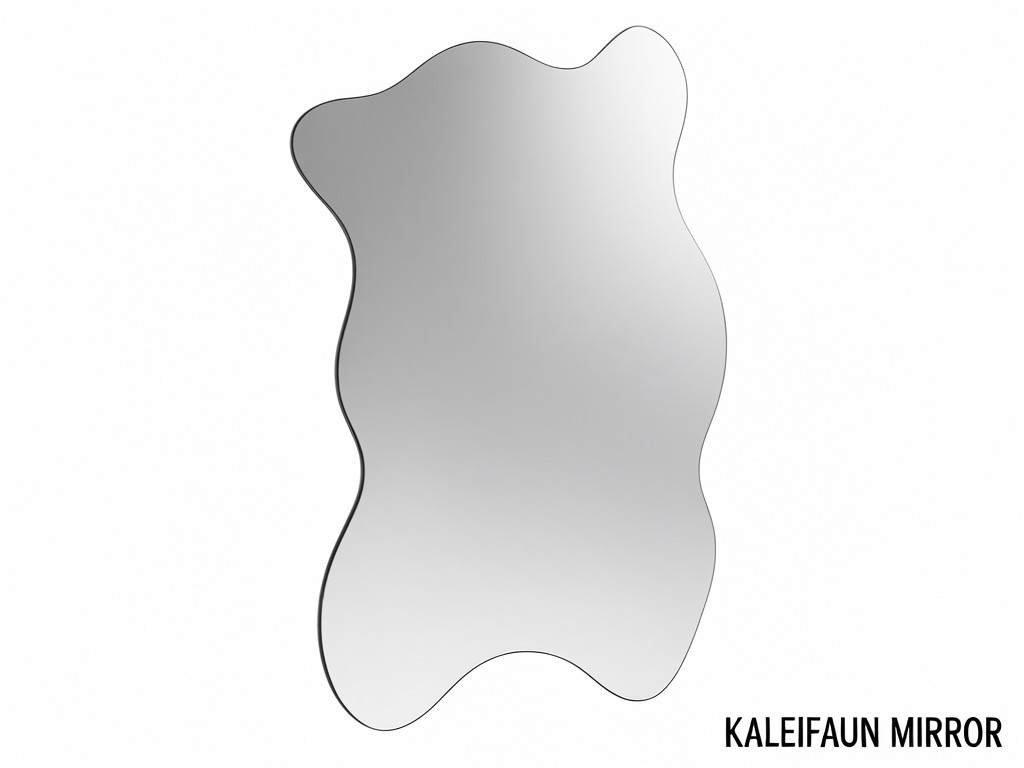
A custom irregular wavy standing mirror is a shaped glass mirror supplied with a floor-standing support, frame or rear structure. It is typically sold as a full-length decorative mirror for home retailers, furniture distributors and interior product ranges. Shape width, overall height, glass thickness and support footprint affect both the reflection and the package size; changes to any of them can alter stability, freight cost and retail fit.
Construction Method and Its Effect on Consistency
For a repeatable custom order, a practical route is to cut the irregular profile from coated mirror sheet, grind and polish the exposed edge, protect the perimeter, then assemble the backing and stand. The cutting file sets the outline; edgework controls the feel and appearance of the perimeter. A change in glass thickness or support geometry may require a revised sample because the mirror's weight and balance change with the build.
The comparison below links common constructions to the conditions buyers should review. Typical glass options include 3–6 mm, subject to mirror dimensions and the support design. Ask the factory to confirm the chosen thickness against the approved sample rather than treating a nominal size as a standalone performance guarantee.
| Use or Exposure Condition | Complaint Seen at Inspection or Return | Construction to Specify and Compare |
|---|---|---|
| Frequent repositioning in a bedroom or dressing area | Edge chips or a damaged mirror perimeter after contact with furniture | Compare polished exposed edges with a protective frame; check edge finish and corner transitions on the approved sample. |
| Long display periods near bright windows or under strong retail lighting | Visible backing deterioration or a reflection that appears wavy beyond the intended outline | Review coating coverage, backing protection and reflection uniformity under consistent viewing conditions; do not rely on the shape profile to conceal distortion. |
| Routine cleaning in a dressing room, studio or shared retail space | Coating marks near the edge after repeated contact with moisture or cleaning products | Specify sealed or protected edges where available, and validate the agreed cleaning method on a sample before production. |
| Standing use on hard floors with repeated setup and storage | Rocking, stand loosening or a mirror that does not sit square | Compare frame or rear-support designs by footprint, joint fit and hardware retention; inspect the assembled unit on a level surface. |
Buying Mistakes That Lead to Returns
Returns usually trace back to the same weak point: a purchase specification that records the nominal height but leaves the shape, reflection and support details open to interpretation. For a second-source order, compare a physical sample and controlled measurements before approving production.
- Approving only a front-view image. A photo can hide reflection distortion, uneven edge polishing and a stand that leans; inspect the full mirror from several viewing positions.
- Treating the wavy outline as a visual reference rather than a controlled drawing. Record overall height and width, key curve points, edge treatment and acceptable profile variation.
- Changing glass thickness, backing or stand hardware after sample approval without checking the new unit's weight and stability.
- Leaving cleaning and storage conditions undefined. Moisture trapped at an exposed edge, abrasive wiping and rough warehouse handling can create complaints that a basic visual check will not catch.
What Can Be Customised and What Cannot
Buyers can usually specify the outline, overall dimensions, glass thickness, edge finish, frame or backing appearance, stand arrangement, packaging and retail identification. Artwork for a printed carton or label can follow the buyer's files, but it needs final dimensions and placement approval before packing materials are made.
The practical limits are the glass sheet size, cutting capability, minimum curve radii, edge access and the load the stand can support. A tighter or more intricate profile may need extra cutting and edge-finishing time. Large dimensions also raise weight and packing demands; confirm the assembled sample and shipping configuration before locking the order specification.
If a buyer requests anti-shatter film or another rear-surface option, confirm its coverage, appearance and compatibility with the assembly. It does not replace a stable support or careful glass protection during transport.
Requirements by Buyer Segment
Retail buyers need a sample that matches the shelf presentation: outline, reflection, finish colour and carton appearance should agree with the approved listing images and product description. For stores with dressing rooms or fitness spaces, review repeated repositioning, hard-floor contact and routine cleaning as part of sample evaluation.
Distributors qualifying a second source should compare the incoming unit against a retained reference sample, not just a supplier's nominal dimensions. Agree on the drawing revision, measurement points, acceptable visual variation, stand hardware and defect classification. Those controls make supplier-to-supplier differences easier to identify before goods reach retail.
Keeping Repeat Orders Supplied
Stock availability depends on the chosen glass sheet, frame or backing components, stand hardware and carton configuration. A factory may hold common inputs while producing the custom profile to order; that does not mean a finished wavy mirror is available from stock. Confirm which components are stocked, which are purchase-to-order and how forecast changes affect replenishment.
For second-source planning, approve a control sample and drawing revision before the first bulk run. Ask the supplier to record batch identification and retain the approved specifications for subsequent orders. A change to the cutting file, coating source, frame colour or stand hardware should trigger review rather than pass through as an undocumented substitution.
MOQ and lead time vary with profile complexity, production quantity and the availability of selected components. A simpler repeat outline with unchanged packaging is usually easier to schedule than a new shape or a late material revision; obtain the factory's current schedule against the actual order configuration.
Export Packaging and Handling Protection
A wavy perimeter needs protection beyond a flat face pad: unsupported curves can take impact during carton movement, while contact between units can chip exposed edges. Review the pack-out with the sample mirror, including corner and perimeter cushioning, face separation, stand restraint and protection from hardware contact.
Ask for the packed dimensions and gross weight before confirming container or pallet planning. For export orders, agree on carton marks, barcode or retail labels, orientation instructions and the method for identifying each batch. A trial shipment or packing review can reveal movement inside the carton before the full order is dispatched.
Questions Buyers Ask Before Ordering
How should we define an irregular outline for repeat production?
Provide a dimensioned drawing or vector file with overall height and width, curve reference points and any required symmetry. Approve a physical sample to confirm the cut profile and edge appearance before the first production run.
Can the stand or frame be changed after the mirror sample is approved?
It can often be revised, but the change may affect balance, assembled depth, hardware fit, weight and packing. Request a new assembly check when the support structure changes.
What affects MOQ and production lead time?
The custom profile, order quantity, selected frame and support components, and retail packaging all affect the schedule. Request a quote against the final drawing and pack-out requirements rather than using a general estimate.
What should a sample request include?
Send the target dimensions, outline file, glass and edge preferences, stand details, branding or label files, destination market and estimated quantity. Include the intended cleaning and handling conditions so the factory can propose a representative sample and packing method.
Qualifying a second source starts with a sample built to the same drawing and packing brief as the incumbent product. Request a sample and share your mirror specifications to review profile control, reflection, edgework, stand fit and export packaging before placing a bulk order.