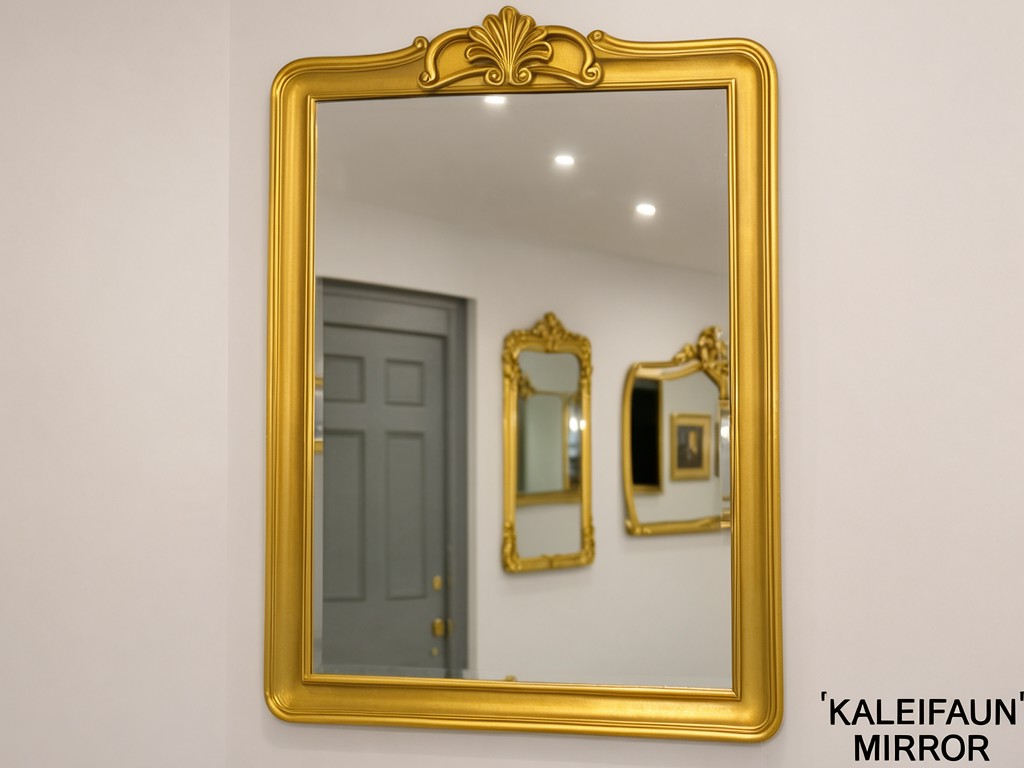
custom gold wall mirror for boutique stores low moq - Bulk Supply and Specification Guide
Wear shows up at the same point every season: exposed frame corners, joints and hanging points take the first knocks during store resets and replenishment. A gold finish that looks close on the first order can also vary on the next, leaving a boutique buyer with mismatched display pieces and a second-source problem rather than a supply solution.
For importers qualifying another supplier, the useful comparison is not just mirror glass and frame price. It is whether the supplier can repeat the approved frame profile, gold tone, dimensions, hardware position and protective packing at a smaller opening quantity without letting setup costs or batch variation erase the saving.
Where This Product Beats Standard Alternatives
In a boutique sales floor, a gold-frame wall mirror can coordinate with warm metal fixtures and provide a full-length or upper-body view without the visual weight of a large timber surround. The choice works best when the frame finish, edge treatment and hanging method suit the store’s handling pattern; it is less forgiving when staff move mirrors often or place them where carts and stock rails can strike the corners.
A low-MOQ run can limit initial stock exposure, but it does not remove setup work. A standard frame profile with controlled cut lengths and corner fixtures usually costs less to repeat than a new profile or custom frame geometry. Custom extrusion tooling may make sense at forecast volume, while a formed or assembled standard profile can be more economical for a first qualification order.
Keep the reference sample and finish target tied to the purchase order. “Gold” alone does not define a repeatable appearance: substrate, coating method, sheen and viewing light all affect the result.
Comparing Two Standard Configurations
Choose the frame route according to order size, desired finish and expected handling. The decision tree below separates the options by the cost drivers that matter at low volume.
- If the first order is small and an existing profile suits the design, start with a standard frame section.
- For a lighter frame, consider aluminum with a gold-tone anodized finish. Confirm the approved shade on a production-representative sample; anodized appearance can vary with alloy and finish conditions.
- For a more rigid frame option, consider steel with a gold-tone powder-coated finish. The coating can cover formed sections, but exposed edges and corner impact points need careful inspection.
- If a distinctive section or profile is required, compare the tooling charge with expected repeat volume. A custom extrusion die spreads its cost across more units, so a larger committed forecast can lower the tooling share per mirror; at a small quantity, that charge can dominate the unit price.
- If stores will relocate the mirror regularly, prioritize secure frame joints, protected corners and a defined mounting method before choosing a finish for appearance alone.
For either configuration, glass thickness, mirror size, backing protection and hanging hardware should be quoted as a matched assembly. A frame upgrade cannot compensate for a weak wall fixing or packaging that lets the glass move inside the carton.
Assumptions Buyers Should Stop Making
The complaint that repeats across reorders is “the new gold looks different,” even when the purchase description has not changed. A color name is not a finish specification, and a photograph taken under different store lighting is not a reliable batch comparison. Approve a physical sample under agreed viewing conditions and record the finish route, sheen and substrate with it.
Low MOQ also does not mean every option can be changed at no cost. A change to frame profile, glass size, backing, packaging or hardware can create new setup steps, parts or approval samples. Consolidating those decisions before production protects the quoted unit cost and reduces the chance of a partial remake.
Finally, do not treat a mirror’s nominal outer dimensions as the only fit check. Confirm the glass visible area, frame depth, mounting-point position and packed dimensions against the store layout and the intended freight route.
How Consistency Is Held Across Batches
Most quality disputes start with a consistency gap between the signed sample and the next production lot. The factory control plan should retain the approved finish sample, drawing revision and hardware layout, then check incoming glass and frame parts against those references before assembly.
For the frame, repeatability depends on stable cut lengths, corner alignment and finish coverage at edges and joints. For the mirror, inspect the glass dimensions, edge condition, backing and seating within the frame. Record checks by batch so a second-source order can be compared with the same acceptance points rather than judged from memory.
| Inspection point | Factory check | Buyer acceptance basis |
|---|---|---|
| Frame dimensions and squareness | Measure overall dimensions and compare diagonals or corner alignment with the approved drawing. | Agreed drawing tolerances and a consistent visible frame margin. |
| Gold-tone finish | Compare production parts with the retained sample; inspect corners, cut edges and assembled joints for visible defects. | Approved shade and sheen, with no unacceptable bare areas, scratches or finish damage. |
| Glass and frame assembly | Check glass size and edge condition, seating, retention and visible distortion under the agreed inspection setup. | No loose fit or visible defect outside the approved sample and specification. |
| Hardware and export packing | Verify hanging-point position, included fittings, corner protection and carton restraint against the packing specification. | Assembly matches the order and the mirror cannot shift freely inside its protective pack. |
These checks support batch comparison; they do not replace the buyer’s own required inspection plan. Agree the sampling approach, defect categories and photo records before the order enters production.
Volume Planning and Lead Time
A small opening quantity reduces inventory exposure, but setup, sampling and packing preparation still take time. The unit-cost curve changes when the same frame profile, finish route and carton format run across more pieces: fixed preparation costs are spread across the order, while material use and assembly time remain tied to each mirror.
Tooling has a separate effect. A standard profile avoids a new die charge but may limit the frame section or available dimensions. A custom extrusion can fit a specific design, yet its upfront cost and approval cycle need a forecast that supports repeat orders. Ask the supplier to show tooling, sampling, unit price and packaging as separate quote lines so a low opening MOQ does not hide the cost of later scale-up.
Set the lead-time clock after artwork or drawing approval, finish-sample sign-off and deposit confirmation, as applicable. A profile change or finish re-approval can reset part of the schedule; a repeat order on an unchanged specification is easier to plan.
For second-source qualification, request a sample from the proposed production route and confirm which components remain common with the first supplier. Shared glass dimensions or hardware may simplify store replacement, while a different frame profile can affect carton size, freight loading and installation stock.
Care, Storage and Service Life
In retail use, frame corners and hanging points tend to take impact during fixture moves; moisture at the glass edge can also threaten the mirror backing over time. Specify corner protection for transit and a mounting method suited to the mirror’s finished weight and the wall substrate. Store cartons upright only where the pack is designed for that orientation; otherwise follow the supplier’s marked handling direction.
For routine cleaning, apply a suitable glass cleaner to a soft cloth rather than soaking the mirror edge or frame joint. Avoid abrasive pads on the gold-tone surface. If a mirror returns with a loose fitting, chipped coating or damaged backing, record the location and batch details before repair or replacement; repeated damage at one point can identify a packing or assembly issue that needs a process correction.
Questions Buyers Ask Before Ordering
Can a low-MOQ order use a custom frame profile?
It can, subject to tooling availability, minimum material runs and sample approval. Ask for the tooling charge and its ownership terms separately from the unit price. A standard profile is often the lower-cost path for initial qualification; custom tooling becomes easier to justify when repeat volume can absorb its setup cost.
How can the next batch match the approved gold finish?
Retain a signed physical sample and record the frame material, finish process and sheen in the specification. Require a pre-production sample when the supplier, material source or finish route changes; visual approval from a digital image alone may not reveal a batch difference.
What should the quotation include for export supply?
Confirm mirror and frame dimensions, glass and backing options, hanging hardware, gold-tone finish reference, packaging method, carton dimensions, MOQ, tooling charges, sample fees and the production schedule assumptions. Clarify whether the price includes retail labels, barcodes or buyer-specific carton marks before approval.
For a quotation review, send the target dimensions, reference finish, forecast quantity, packaging requirements and any existing supplier sample or drawing. A side-by-side review can separate the true unit-cost difference from tooling, setup and freight variables.
Request a quotation review