Direct Factory black and gold bathroom vanity mirror with frame China Factory: Specification, Ordering and Quality Notes
A slim frame preserves a light visual profile, while a wider profile can provide more room for the frame joint and mounting hardware. Agree the frame section, mirror dimensions, finish boundaries and fixing method on one approved drawing; those details govern repeat-order appearance, fit and freight weight.
Measured Performance in Real Use
The interface between parts determines whether a framed vanity mirror stays square and visually consistent after installation. Frame joints, mirror-edge clearance, backing contact and hanger position should be fixed in the approved specification, rather than left to visual judgement on the production line.
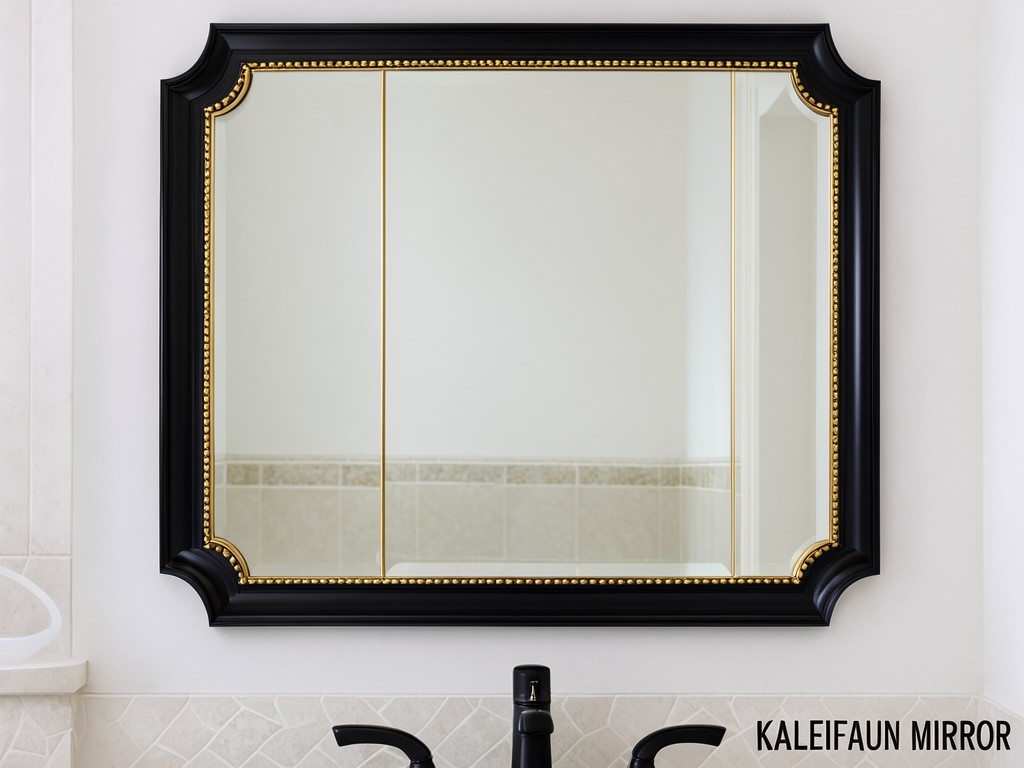
Bathroom humidity makes edge protection and finish control practical concerns. If moisture reaches a mirror’s backing or exposed edge, deterioration may appear as dark spots or loss of reflectivity. Frame finish wear is also more visible where black and gold sections meet, so define the finish split, corner treatment and acceptable appearance against a signed sample.
| Durability point | Factory check | Agree before production |
|---|---|---|
| Mirror size and squareness | Measure overall dimensions and compare the finished assembly with the approved drawing. | Nominal dimensions, tolerances, corner radius and visible edge clearance. |
| Black and gold frame finish | Inspect colour, coverage, joint alignment and visible surface defects against the approved finish sample. | Finish method, colour reference, sheen, texture and the exact transition between colours. |
| Mirror edge and backing | Check edge condition, backing coverage and contact points during assembly inspection. | Glass type and thickness, edge treatment, backing or safety film requirement, and frame clearance. |
| Mounting and load path | Verify bracket position, fixing security and assembly alignment against the agreed configuration. | Hanger type, fixing points, supplied hardware and intended wall installation conditions. |
How to Choose Before Requesting a Quote
Balance and load analysis shows whether the hanger positions, frame section and mirror dimensions work as a single assembly. A change in overall size can affect the glass support and carton layout, so send the finished outside dimensions and mounting drawing together rather than quoting from mirror size alone.
For an accurate quote, specify the mirror shape, glass thickness, edge finish, frame profile, colour treatment, backing requirement and mounting hardware. State whether the gold finish is brushed, satin or polished and identify the black finish’s sheen. A colour name alone does not define the visual match between production batches.
Include the target order quantity, destination market, private-label packaging needs and any retail carton dimensions. If the design uses a distinctive corner, concealed fixing or narrow frame overlap, provide a drawing or reference sample so the factory can confirm that the construction is practical before tooling or sample work begins.
Working as a Production Partner, Not a Catalogue Supplier
Consistency depends on closing the specification before the production order. A practical approval sequence is drawing review, finish and material confirmation, pre-production sample approval, then written release of artwork, packaging and inspection points. That sequence gives both sides a reference if a later batch shows a colour shift, uneven joint or mounting mismatch.
OEM and private-label work can cover frame dimensions, finish combination, mirror configuration, logo placement, carton graphics and included hardware. Changes made after sample approval should be recorded as drawing revisions; otherwise, a production line may follow the earlier sample while the buyer expects the revised details.
For repeat orders, retain the approved sample or its documented colour and dimensional references, and identify each batch by production lot. Inspection should compare finished assemblies with those references, not just check the glass and frame as separate components.
Volume Planning and Lead Time
Order timing depends on sample approval, finish process, packaging artwork, component availability and production quantity. Custom frame profiles or a two-colour finish may require more setup and approval time than a repeat order using an existing profile and a previously signed sample.
Set the order forecast and shipment split during quotation. A confirmed drawing and prompt finish approval reduce the risk of production pauses; a late change to size, hardware or carton graphics can affect both material planning and the ship date. Request a project schedule with sample, approval, production and dispatch milestones rather than relying on a single lead-time estimate.
Packing, Marking and Freight Configuration
Mirror breakage and frame-corner damage are freight risks, so packaging should be reviewed against the finished size, weight and shipping method. Edge and corner protection must restrain the glass and frame without placing concentrated pressure on the mirror face. Carton inserts should also prevent movement when units are handled in transit.
Confirm whether each mirror ships in an individual retail carton, a protective export carton or a palletized configuration. Approve carton markings, model and batch identification, handling marks, barcode position and private-label artwork before print release. For container planning, share carton dimensions and packing quantity per carton so the freight configuration can be checked before dispatch.
A packaging sample is useful when the mirror has a large glass area, projecting frame details or a retail-ready carton. Approve the packed unit, not artwork alone, before a full packaging run.
For a specification review, send the dimensioned drawing, finish references, expected quantity and destination details through our contact page. The factory can then confirm open design points, sample requirements and a production schedule before quotation approval.