Top Quality modern framed bathroom double vanity mirrors suppliers - Bulk Supply and Specification Guide
For repeat orders, balance glass specification against frame rigidity, edge protection and transit packaging. A heavier mirror does not prevent corner damage or frame movement if the mounting points and carton design do not suit its size.
What This Product Is and Where It Fits
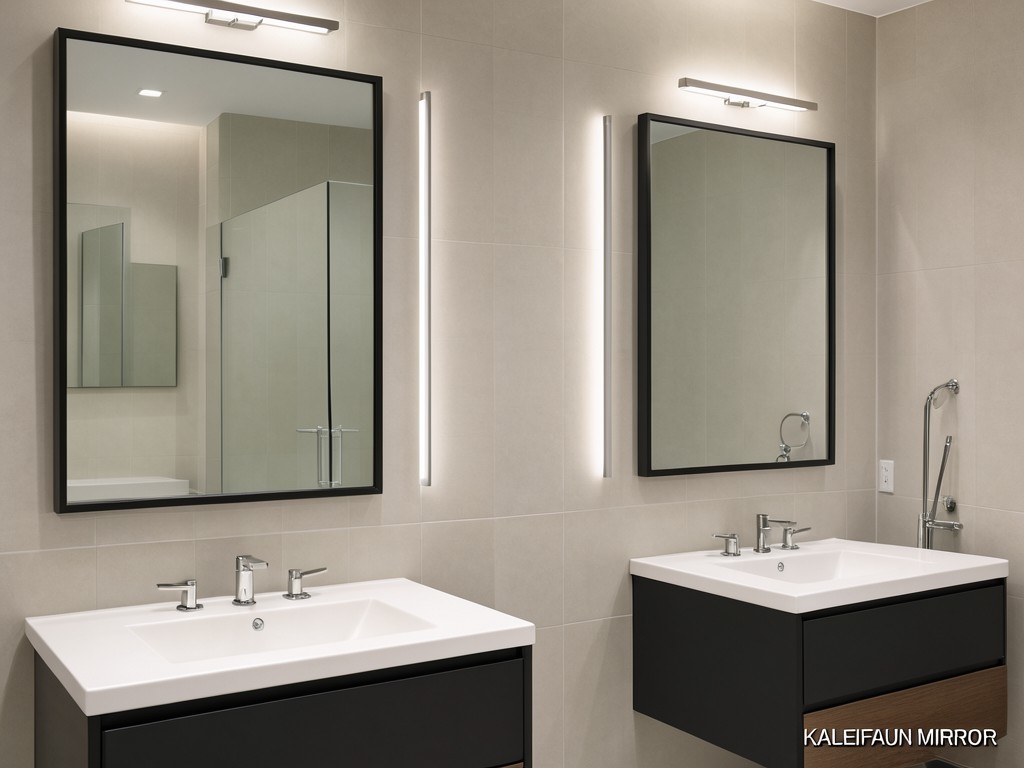
Repeat handling and mounting loads drive many returns before a mirror reaches bathroom service. Modern framed double-vanity orders typically use either one wide mirror above two basins or a coordinated pair of framed mirrors. Importers and purchasing managers need the size, frame finish and mounting arrangement to stay consistent across the shipment and across reorders.
The product combines reflective glass, a finished perimeter and wall-mount hardware. In a humid bathroom, the common complaints are edge discoloration, chipped corners, frame scratches, visible glass distortion and hardware that does not align with the installation plan. These issues depend on the full assembly, not just the mirror area.
Construction Method and Its Effect on Consistency
Fatigue appears at the stress concentration: frame corners, hanger points and any joint that carries the mirror’s weight. A typical production route cuts float glass to size, processes and inspects the edges, applies the reflective and protective backing system, then assembles the glass with a fabricated frame and mounting hardware. The sequence and inspection points should remain fixed for repeat orders.
Frame choice changes both cost and risk. Aluminum profiles keep frame weight down and suit powder-coated finishes, while stainless-steel frames add material cost and may suit buyers who specify a metal frame for a wet-use environment. In either case, corner fit and finish quality matter: a small gap or exposed cut edge can collect moisture, show from the front, or loosen under repeated handling.
Glass thickness is selected against mirror dimensions, support points and the intended mounting method. A thicker pane can add weight without correcting a weak hanger or poor frame restraint. Confirm the agreed glass and backing construction alongside the outer dimensions, edge treatment and hardware position on the approved sample.
Option Comparison by Usage Level
The limiting factor is rarely the headline specification. For entry-level rental or project supply, freight damage and simple installation mismatches can outweigh small differences in frame material. For frequent-use hospitality or residential developments, closer control of frame joints, edge protection and mounting hardware can reduce replacement work, but it raises unit cost and may add packing requirements.
| Usage level | Practical specification direction | Trade-off to review |
|---|---|---|
| Value-focused project or rental supply | Standard frame profile, established glass build, basic wall hardware and protective corner packing. | Lower unit cost; confirm the hanger suits the wall fixing plan and carton protection suits the mirror size. |
| Frequent-use hospitality or repeat residential orders | Tighter frame-joint control, protected glass edges, specified finish and mounting hardware matched to the approved layout. | Higher material and inspection cost; the added control is most useful when replacements, installation delays or finish variation are costly. |
Customisation Options and Their Limits
Frame colour, profile shape, overall dimensions and single-wide versus paired-mirror layouts can be set for a project or retail range. A change to the outside dimensions can also affect glass yield, frame joints, carton size and mounting positions, so artwork or finish approval alone is not enough for a size change. Provide dimensioned drawings and identify the viewing side, hardware location and required packing configuration before sample approval.
| Finish or colour option | Specification points | Limit to confirm |
|---|---|---|
| Powder-coated aluminum | Select from available colour references and confirm surface sheen on a physical sample. | Colour appearance can vary with lighting and production batch; agree the inspection reference before bulk production. |
| Stainless-steel finish | Specify the visible surface appearance and joint treatment for the selected profile. | Material and fabrication costs are higher; check for handling marks and finish differences at corners. |
| Custom profile or colour match | Confirm tooling, sample approval, minimum order quantity and the retained colour reference. | A bespoke profile or finish may extend sampling and replenishment lead time. |
How Consistency Is Held Across Batches
Batch checks should cover overall dimensions, squareness, glass appearance, edge condition, frame alignment, finish and hardware position. A front-side visual inspection can identify scratches, coating marks or visible distortion; measurement checks catch size and alignment drift that may complicate installation. For coated frames, compare production pieces with the approved finish sample under consistent viewing conditions.
Transit damage needs its own check. Confirm that corners, edges and the mirror face have separate protection, then review the packed unit after handling or a trial shipment. Keep the approved drawing, sample record, component specification and carton configuration tied to the purchase order. That record gives the importer a practical reference if a later batch shows edge damage, a shifted hanger or a finish mismatch.
For a repeat-order sample, assess the mirror, frame, mounting points and export pack as one assembly. Approving glass alone will not reveal a loose corner joint or inadequate carton clearance.
Request a production-style sample against your intended dimensions and finish before confirming the bulk order. Contact us to arrange a sample request and review the specification.