wholesale satin brass bathroom vanity mirror factory - Bulk Supply and Specification Guide
Consistency depends on the approved design record. A satin brass vanity mirror has to match across its glass, frame profile, finish tone and mounting points. Confirm those details against a dimensioned drawing and a signed finish sample before the first production run; that gives retail buyers and product managers a reference for repeat orders and warranty reviews.
What This Product Is and Where It Fits
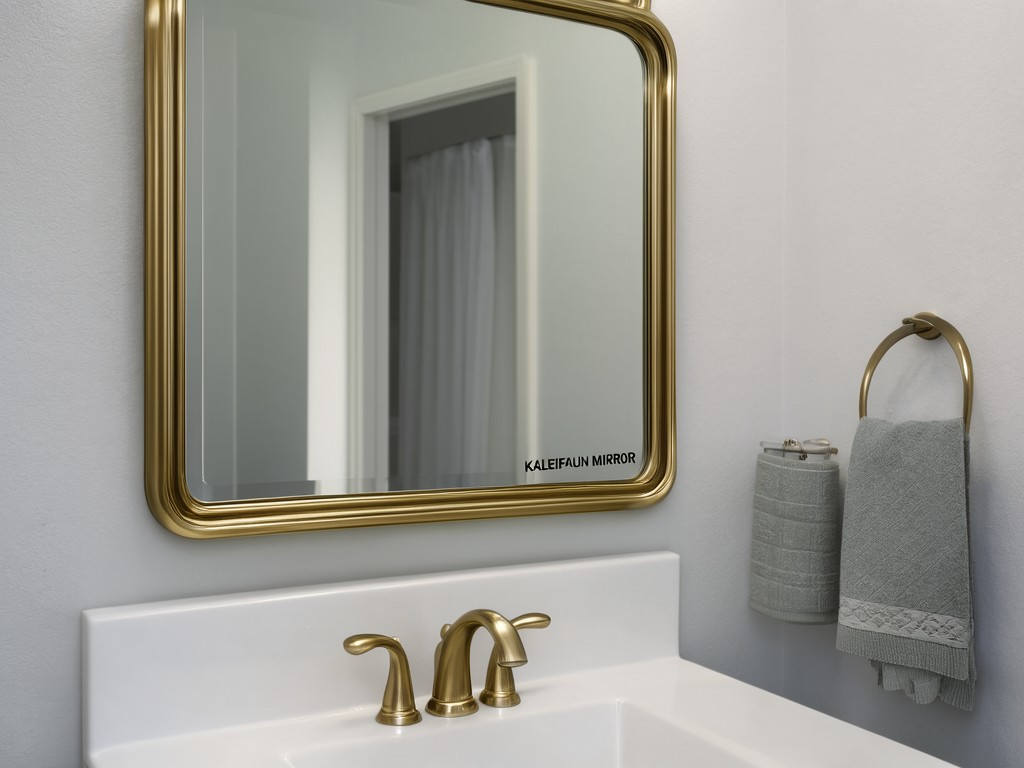
A bathroom vanity mirror pairs reflective glass with a satin brass-finish metal frame and wall-mounting hardware. It is specified for bathroom sink areas, where daily wiping, splashes and humid air can expose weak edge protection or inconsistent finish work. For a coordinated retail range, the frame colour, mirror proportions and hardware position need to stay consistent across the size options.
The production reference should define the overall width and height, frame face, corner construction, glass thickness, edge treatment and mounting arrangement. If any of those details remain open until production, replacement units may not align with the original installation or match the display sample.
What the Design Has to Balance
The interface between parts determines whether the mirror looks square on the wall and stays that way in use. Glass dimensions, frame clearance and corner joints must be resolved together: a frame that is too tight can stress the glass, while excess clearance can leave a visible, uneven reveal.
Brushed Metal with PVD Finish
A stainless-steel frame can take a satin brass PVD finish over a prepared surface. Buyers pay for controlled brushing and coating preparation as well as the colour; the approved sample should set the acceptable grain direction, tone and sheen.
Painted Brass-Tone Surface
A painted finish can suit a lower-cost specification, but its appearance and wear behaviour differ from a metallic PVD surface. Keep the finish process fixed between orders; a change in coating route can shift both colour and surface feel.
Deflection under load governs the relationship between glass size, frame section and mounting support. Larger formats need a drawing that specifies the hanging points and intended wall fixings, rather than relying on a frame profile chosen for a smaller mirror.
How It Is Built and What That Changes
For a framed model, production typically starts with stainless-steel frame material cut to the approved profile dimensions. The pieces are formed or joined at the corners, the visible faces are brushed to the specified grain, and the prepared frame receives its satin brass PVD coating. Mirror glass is cut, its edges are finished, and the glass is fitted with the specified backing and frame clearances before the mounting hardware is installed.
Each stage leaves a different risk to control. Poorly matched corner joints create visible gaps; inconsistent brushing changes how light reads across the frame; exposed glass edges or damaged backing can lead to dark spots over time. A sealed, correctly fitted assembly reduces exposure at the edge, but it does not make a mirror suitable for direct water immersion.
- Set glass size, edge finish and frame clearance on the same approved drawing.
- Record the brushing direction and retain a signed satin brass finish sample as the colour reference.
- Confirm the mounting-hole positions and hardware arrangement before the frame fixture is released.
Who Uses It and Where It Matters
Retail buyers select these mirrors for coordinated bathroom assortments where satin brass taps, cabinet pulls or lighting set the visual reference. Product managers need stable dimensions and finish tone across several sizes, particularly when shoppers may buy a mirror and matching hardware from the same range.
For residential vanity use, the mirror must tolerate routine surface cleaning and bathroom humidity. In multi-unit residential or hospitality projects, repeated installation makes mounting-hole location and frame squareness practical service issues: installers need each unit to sit level without improvised adjustments, and replacement stock should match the original finish closely.
Quality Control and Batch Consistency
A useful inspection plan follows the complaints buyers want to avoid, not just the sequence of factory operations. Check dimensions and diagonal equality against the signed drawing, inspect corner joints and frame finish under consistent lighting, and examine the glass face and edges for visible defects. Mounting hardware should also be checked against the agreed arrangement and declared load requirement.
| Buyer Use Condition | Likely Complaint or Failure | Agreed Specification and Order Control |
|---|---|---|
| Daily bathroom humidity and splash exposure | Edge deterioration, dark spots or finish corrosion | Specify glass edge treatment, backing condition and frame finish; inspect the assembled edge and coated surfaces before release. |
| Retail range with multiple mirror sizes | Frame proportions, colour or mounting points differ between sizes or batches | Approve size-specific drawings and a retained finish sample; compare repeat production with those references. |
| Installer mounts the mirror to a defined wall layout | Mirror sits out of level or hardware does not align with the fixing points | Lock hole positions and hardware in the drawing, then verify location and assembly before production release. |
| Pilot approval followed by a repeat wholesale order | The reorder differs from the sample, or stock arrives outside the retail plan | Confirm the approved sample, order quantity and finish batch before scheduling. MOQ and lead time depend on size, frame setup and sample approval. |
For a repeat order, compare the new batch with the retained sample rather than relying on a colour name alone. Record any approved change to glass, frame profile or coating process in the revised drawing; otherwise, the factory and buyer may judge the same production run against different references.
Capacity, Tooling and Scheduling
Scheduling starts after the frame profile, mirror dimensions, finish sample and mounting layout are approved. A standard profile may avoid new forming or cutting fixtures; a new frame section or corner detail can add setup work and sample checks before quantity production. Final MOQ and lead time therefore need confirmation against the actual drawing, order mix and finish-batch plan.
For repeat supply, keep the approved sample and revision-controlled drawing tied to the purchase order. If a finish or dimensional change is requested after approval, confirm whether the existing sample still applies and whether the production schedule needs to be reset. This step avoids treating a design change as a like-for-like reorder.
Questions Buyers Ask Before Ordering
Which details should the drawing lock before sampling?
Show overall dimensions, frame face and depth, corner details, glass thickness and edge treatment, mounting-hole positions, and the rear assembly. Identify the satin brass finish reference and brushing direction separately so appearance does not depend on a verbal colour description.
How should a finish sample be approved for repeat orders?
Approve a physical frame sample under the lighting used for product review, and retain a reference at both the factory and buyer side where practical. Note the finish process and surface grain with the sample record. A name such as “satin brass” alone does not define tone or sheen closely enough for batch comparison.
What sets the MOQ and production lead time?
The quantity depends on the frame setup, size mix and finish-batch requirements. Lead time depends on whether the profile and fixtures are already approved, plus the time needed for sample review and production scheduling. Request a confirmed MOQ and schedule after the drawing and finish reference are agreed.
Can a repeat order change dimensions or hardware?
Yes, but a change to the glass size, frame profile or mounting layout requires a drawing revision and review before production. Ask the factory to confirm whether the existing sample and tooling remain suitable; an unrecorded change can affect fit and make the new batch difficult to compare with installed units.
Discuss a Repeat-Order Specification
Send the target sizes, frame drawing, finish reference and expected order mix for a project review. Contact the factory team to confirm sample approval steps, MOQ and a production schedule against your repeat-order requirements.