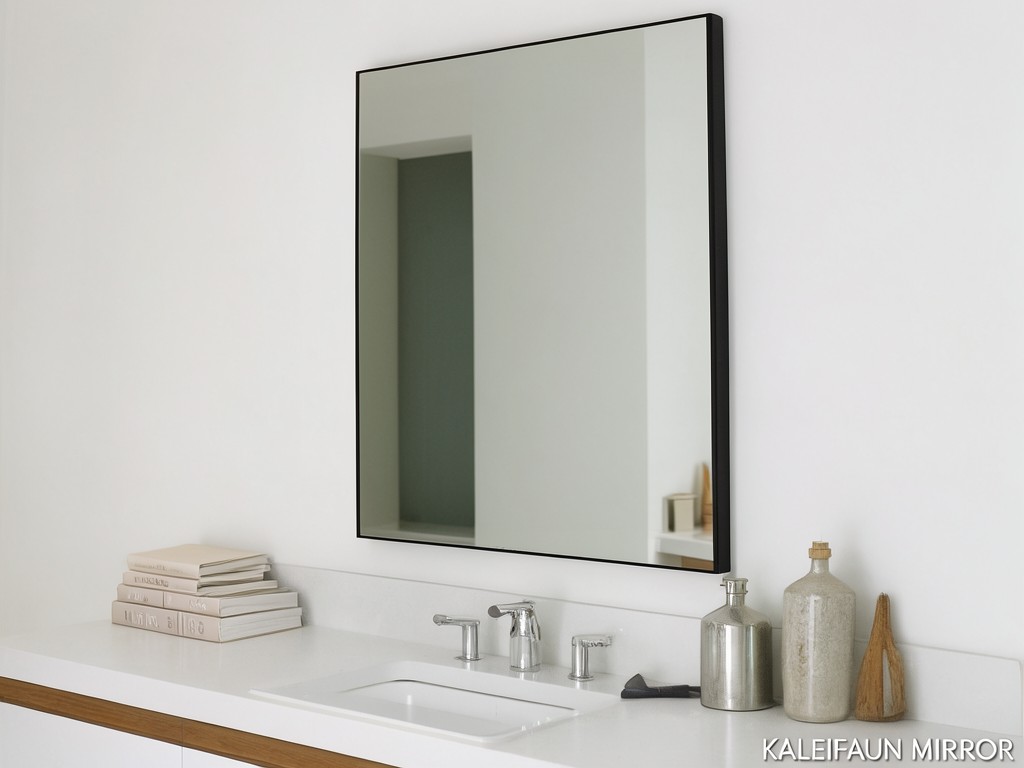
affordable modern minimalist wall mounted mirrors factory sale - Bulk Supply and Specification Guide
Design Constraints Behind the Specification
Balance and load analysis shows why a slim mirror still needs a defined support system: glass thickness, overall size, backing, frame and wall fixings all affect the installed load. A minimalist profile removes visual bulk, not the need to match the mounting method to the mirror and the wall.
For an OEM or private-label order, settle the outline, corner radius, edge finish, mounting position and retail packaging before approving the production sample. A late change to any of these can alter cutting yield, hardware fit or carton dimensions. Confirming them together helps protect the launch schedule and reduces the chance that repeat stock arrives with a different appearance or installation layout.
Materials and Construction Trade-offs
The interface between parts determines how the mirror looks at the edge and how well the assembly stays aligned. Typical construction uses cut float glass with a reflective metal layer, protective backing coats and either a finished exposed edge or a slim frame. Glass thickness is commonly selected within roughly 3–6 mm according to size and support design; the suitable choice depends on the finished dimensions and mounting arrangement.
A polished, frameless edge keeps the outline visually light, but it requires consistent edge work and careful protection in transit. A narrow metal frame can cover the glass edge and provide a defined mounting interface, with added material and finishing cost. Where breakage containment matters, a backing safety film can help retain fragments after glass failure; it does not make the mirror impact-proof or remove the need for suitable installation.
Lock the Build Before Artwork Approval
Confirm glass size and thickness, frame finish, backing, mounting hardware and carton protection as one approved specification. A change to glass or frame can affect both the fixing points and the shipping pack, so recheck the sample whenever one of those parts changes.
Measured Performance in Real Use
Consistency depends on flat glass, controlled coating coverage and repeatable positioning of the hanging hardware. Small differences in these areas can show as image distortion, uneven reflection near an edge, or a mirror that sits out of level. For bulk supply, checks against an approved reference sample matter as much as the nominal dimensions.
The buyer’s cost is not only the unit price. Edge chips, coating spots, damaged corners or inconsistent hardware placement can lead to returns, replacement freight and warranty claims. A frame or backing upgrade adds cost at purchase, but may be worthwhile where it reduces exposed-edge handling risk or protects the mirror through a demanding distribution route.
Option Comparison by Usage Level
Choose the construction against the expected handling and installation conditions, rather than appearance alone. The options below connect common buyer choices with preventable complaints.
| Use and Handling Condition | Complaint to Prevent | Customization or Specification Choice |
|---|---|---|
| Retail display with frequent carton handling and shelf replenishment. | Chipped exposed edges or broken corners found at unpacking. | Specify protected corners and a carton insert matched to mirror dimensions; consider a slim frame if the edge will be handled often. |
| Club changing-room fitout with repeated daily use and installation across multiple rooms. | Mirrors sit at different heights, loosen, or show inconsistent alignment. | Standardize the mounting-point layout and supply hardware suited to the stated wall substrate; confirm the installer’s fixing requirements. |
| Private-label range where later replenishment must match the first shipment. | Visible changes in frame colour, edge appearance, branding position or packed contents. | Retain an approved reference sample and controlled artwork, finish and packing records for each reorder. |
Frameless Configuration
A polished edge suits a clean, uninterrupted outline and can reduce part count. It places more emphasis on edge finish, protective packing and careful handling during installation.
Slim-Frame Configuration
A metal perimeter adds a visible border and can shield the glass edge. The finish and corner joints become additional inspection points, and the frame changes overall dimensions and pack size.
Inspection Items and Test Methods
A practical inspection plan checks the parts most likely to trigger a return: size, squareness, edge finish, reflective appearance, coating condition, hardware position and carton protection. Use the signed sample as the visual reference and agree inspection limits before the production run; do not rely on a general description such as “silver mirror” to control appearance.
Factory checks can include dimensional measurement, visual review under consistent lighting, hardware-position measurement, and a coating adhesion check on agreed samples. A mounting pull check should use the specified hardware and a representative fixing arrangement, since wall type changes the result. Trial-packed cartons can also be handled or drop-checked against the buyer’s route and agreed acceptance criteria. These checks identify process variation; they do not replace correct installation or establish a universal load rating.
Keeping Repeat Orders Supplied
Retail and club launch dates depend on more than production capacity. Confirm which sizes and frame finishes are standard stock, which require a production run, and whether the requested packaging or private-label artwork changes the lead time. A factory stock position should be checked against the required quantity and dispatch date before the buyer commits to a launch plan.
For repeat supply, keep the approved sample, drawing, glass and frame details, mounting layout, label artwork and carton specification tied to the same item reference. Batch records help separate a genuine design change from ordinary production variation. Agree the order quantity, inspection scope and shipping pack early; late revisions can consume the time buffer intended for booking and export handling.
Request a Pre-Production Sample
Send the target dimensions, edge or frame preference, mounting approach, branding files, order quantity and required ship date. A sample review can settle appearance and packing details before the bulk order enters production. Request a mirror sample and confirm factory availability.