Custom full body mirror with soft frame Factory: What Buyers Should Check Before Ordering
Repeat handling drives the failure: a mirror can pass a visual check at dispatch, then develop chipped edges, loose frame joints or backing damage after repeated moving and unpacking. A soft perimeter can absorb light contact, but it cannot correct poor glass preparation or weak carton protection. Agree the size, edge finish, frame fit and packing method before production to reduce the return cost per unit sold.
Scope of Supply and Physical Form
| Inspection point | Basis to agree before production | Approval record |
|---|---|---|
| Overall size and orientation | Drawing dimensions, portrait or landscape format, and any tolerance for the finished outside edge | Signed drawing or approved sample measurement |
| Mirror panel and perimeter | Glass thickness, edge finishing, backing film and frame profile or colour | Material sample and visual limit sample |
| Frame fit and joints | Corner alignment, retention method and acceptable gap variation | First-article review against the drawing |
| Pack-out | Corner protection, face separation, carton orientation and retail labelling | Approved packing sample and carton mark artwork |
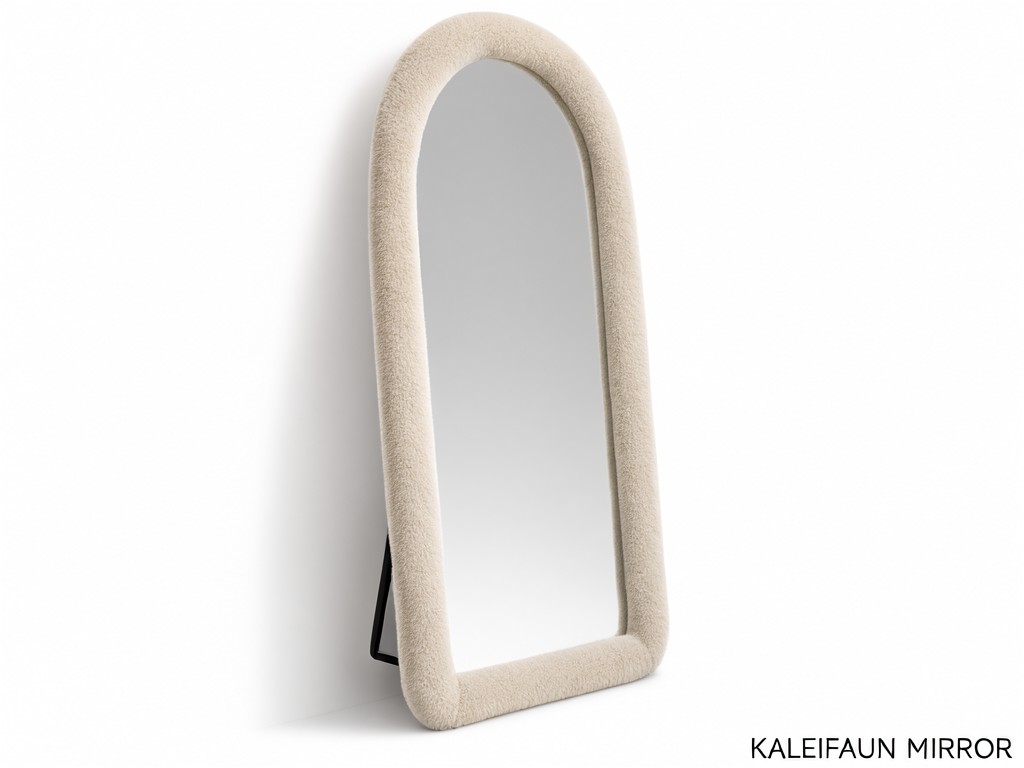
The usual construction is a flat mirror-glass panel with a flexible perimeter profile fitted around its finished edges. Buyers can specify the glass outline, frame cross-section, colour, backing and packaging; hanging hardware or a support arrangement should be listed as a separate component. Dimensions are project-specific, so confirm whether the drawing measures glass size or finished outside size.
Where Cheaper Alternatives Fall Short
A lower unit quote may use thinner glass, a simplified edge treatment or a frame profile with less material at the corners. Those savings can shift cost downstream: exposed edges chip more readily, an inconsistent channel can release the panel, and weak packing can turn otherwise saleable stock into breakage claims. Compare landed cost per saleable mirror, not price per piece alone.
The limiting factor is rarely the headline specification. A glass thickness figure does not describe edge quality, backing coverage or how securely the soft profile retains the panel. Ask the supplier to show the actual edge and corner detail in a pre-production sample; approve the permitted appearance and fit variation in writing.
How It Performs in Use
The soft frame acts as a buffer around the glass perimeter during ordinary handling and light contact. It does not make the mirror impact-proof: a hard strike to the glass face, a twist across an unsupported panel or a drop onto a corner can still crack the mirror.
Set the intended use and mounting method before choosing glass and frame details. Indoor humidity can expose weak edge sealing over time; specify dry storage, protected edges and care instructions where damp conditions are expected. A soft perimeter is not a weatherproofing system, and prolonged outdoor exposure can affect both the mirror backing and polymer frame.
Serviceability depends on the frame attachment. A profile held by accessible corner joints may allow a trained repairer to remove and replace the panel; a permanently bonded assembly can reduce rattling but usually makes glass replacement more difficult. Decide which outcome matters more before the sample is signed off.
Material Options and Their Trade-offs
Weight and stiffness trade off against each other. Thicker glass adds mass and can feel less flexible in a large panel, while a thinner panel reduces freight weight but needs careful support and edge protection. A frame profile with more material can improve edge coverage, though it adds weight, material cost and finished width.
PVC Soft Profile
PVC can suit cost-controlled programs with a fixed colour and indoor use. Confirm flexibility at the expected storage and transport temperatures, since a harder profile can fit corners poorly or show surface marks during assembly.
TPE or TPU Soft Profile
TPE or TPU can retain a more flexible feel, depending on grade and profile design. The material cost is generally higher, so request a sample for colour, surface feel and corner fit before paying for a custom profile or colour match.
Mirror backing and edge protection deserve their own approval criteria. Ask for the backing construction and care limits, then check whether the proposed frame covers the full glass edge without trapping moisture at the perimeter.
Construction Method and Its Effect on Consistency
A typical production route starts with mirror glass cutting, followed by edge grinding and polishing, backing application and inspection. The flexible profile is produced to the agreed cross-section, cut to length and joined at the corners; the finished mirror is then fitted into the frame using the approved retention method.
Small differences in glass outline or profile dimensions can accumulate at the corners. A fixture that holds the frame square during assembly helps keep joint gaps and overall dimensions closer to the approved sample. Record critical tolerances on the drawing instead of relying on a physical sample alone, since samples do not communicate every allowable variation.
- Approve a first article for outline, edge finish, frame colour and corner fit before the production run.
- Keep artwork files for logos, labels or carton graphics at final scale, with colour references and placement dimensions.
- Use a signed specification revision to control any change to glass, profile material, adhesive or pack-out.
How to Choose Before Requesting a Quote
A quote is comparable only when each supplier prices the same finished item. Prepare a dimensioned drawing that identifies the glass size, finished outside size, corner shape, frame section, hanging or support details and packaging. If the final artwork or colour is not ready, identify it as pending rather than allowing an assumed specification into production.
- Set the target retail configuration, including mirror dimensions, frame colour, backing and included hardware.
- Request a material sample or assembled sample where profile flexibility, colour or service access affects the decision.
- Agree tolerances, cosmetic limits, inspection method and who approves the first article.
- Compare minimum order quantity and lead time against setup needs, custom colour runs, tooling and packaging changes.
A custom extrusion or colour match may raise the initial order cost, but it can make later replenishment more consistent. Confirm whether the supplier retains the profile tooling and approved colour reference, and how the sample approval links to repeat orders.
Buying Mistakes That Lead to Returns
Using only the glass dimensions on a purchase order can produce a mirror that does not fit the intended retail space once the frame is added. Omitting edge-finish requirements leaves room for inconsistent polishing, while approving a colour from a screen image can lead to avoidable shade disputes. Define the finished size and approve a physical colour sample under agreed viewing conditions.
Another frequent cost leak is treating packaging as a warehouse detail. A frame may protect the perimeter during handling, but it cannot stop face-to-face abrasion or corner impact in transit. Confirm separators, edge blocks, carton orientation and retail labels with a packed sample before shipment.
Avoid changing a frame compound, adhesive or backing specification after sample approval without a documented review. Even when the outside appearance stays similar, a change can alter frame fit, service access or resistance to damp storage.
What Gets Checked Before Shipment
Factory checks should follow the signed drawing and approved sample. Inspect overall dimensions, glass appearance, edge finish, backing condition, frame colour, corner joints and panel retention. Use the agreed cosmetic limit sample to separate acceptable minor variation from scratches, chips, loose joints or visible backing defects.
A handling or pack-out check can reveal movement inside the carton, frame distortion or contact between mirror faces. Any drop or transit simulation should be agreed for the actual carton configuration; it does not replace checking the mirror itself. Retain batch identification and inspection records so claims can be compared with the approved specification and production lot.
For a quotation review, send the dimensioned drawing, annual and initial order quantities, target frame material, artwork status and required carton details. Request a quotation review before tooling or sample production so cost, tolerances and approval steps are aligned.