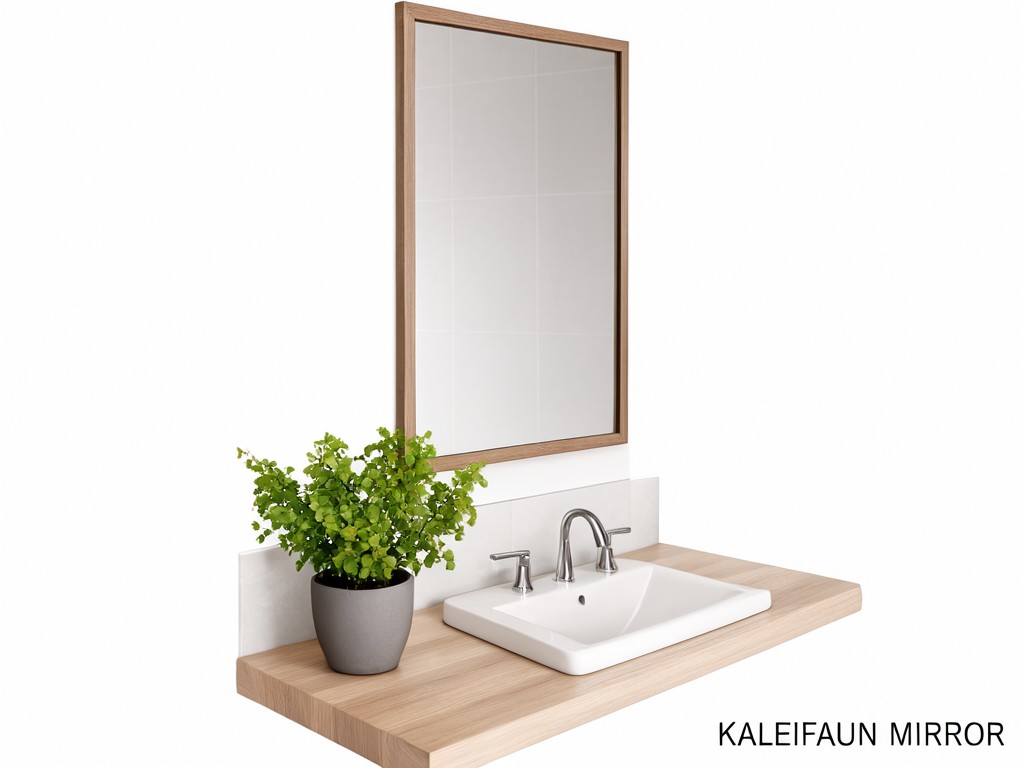
Specifying discount framed bathroom mirrors vendor for Wholesale and OEM Orders
Two suppliers quoting the same specification can deliver different return rates if glass size, frame squareness, coating shade or backing protection drifts between lots. A lower unit price matters only when the agreed construction arrives consistently and survives the humidity and handling conditions of the intended market. Set the acceptance details before comparing quotations, then weigh any material saving against the cost of replacement, freight and retail claims.
What the Design Has to Balance
Frame weight, glass thickness and mounting method set the practical limits for a bathroom mirror. A wider metal frame can improve perimeter protection and create a defined retail look, but it adds weight and can raise freight cost. A slim profile uses less material; it also leaves less allowance to conceal small glass-edge or assembly variation.
Aluminum Frame
A useful choice where lower shipping weight and a narrow visible profile matter. Confirm the finish sample and corner joint method; a coating or profile change between lots can be more visible than a small difference in nominal frame width.
Steel Frame
A steel profile can suit designs that need a firmer section or a particular edge shape. The added mass and corrosion protection requirements affect both landed cost and packing, so specify coating coverage at joints and cut ends rather than judging only the front face.
For repeat orders, select the frame and glass combination against the finished mirror dimensions and mounting hardware, not from component prices alone. That decision keeps the approved appearance, installed feel and carton weight within a controlled range.
How It Performs in Use
Bathroom humidity puts pressure on the frame finish, backing and exposed glass edges. A sound image depends on flat glass and secure assembly; frame movement or poor support can create stress at the perimeter. Backing film can help retain fragments if the glass breaks, but it does not make ordinary mirror glass impact-proof.
Match the specification to the complaint pattern observed in the destination market. The controls below translate common use conditions into details that can be checked on samples and production lots.
| Bathroom or Handling Condition | Complaint Seen at Retail | Specification to Control It |
|---|---|---|
| Frequent steam and moisture near the mirror edge | Backing deterioration, edge spotting or frame finish change | Define backing type, edge coverage and frame coating; inspect joints and exposed cut edges on the approved sample. |
| Large-format mirror hung on a wall | Loose mounting, frame distortion or damage during installation | Agree mounting-point location, hanger type and finished weight; check frame squareness and attachment security. |
| Long-distance shipment with mixed-size cartons | Chipped corners, cracked glass or cartons that arrive with crushed edges | Use size-matched corner protection and carton support; validate the packed configuration for the planned handling route. |
Specification Range and Customisation Limits
Before comparing quotations, align the finished outside dimensions, glass thickness, frame profile and hanging method. Common glass choices include 3 mm and 4 mm mirror glass; the appropriate option depends on panel size, support and the handling route. A stated size range is a quoting guide, not a substitute for confirming the exact cut size and frame allowance on the approved drawing.
Repeat-order rule: Keep one signed sample or controlled drawing as the reference for glass dimensions, frame colour, corner construction and hanger position. A change to any of these can alter perceived size, weight, fit or finish across a retail range.
| Order Route | Typical Configuration Choices | MOQ and Planning Lead Time |
|---|---|---|
| Existing profile and established size | Available frame colour, glass thickness, backing and hanger options, subject to current material stock | Often the lower-MOQ route. Confirm the quantity break and schedule after material availability and packing details are checked. |
| New frame finish, profile or retail size | Custom colour match, profile development, branding label or revised mounting layout | MOQ and lead time rise if tooling, minimum coating batches or new packaging are required. Set the schedule after sample and artwork approval. |
The final MOQ and production window depend on profile availability, finish batch size, order mix and export packing. Treat any initial estimate as provisional until the supplier confirms the approved sample, artwork, order quantity and shipping configuration.
What Can Be Customised and What Cannot
Frame colour, profile, mirror outline, mounting hardware, backing treatment, carton artwork and retail labelling are common OEM choices. Each change has a different cost driver: a colour match may need a minimum coating batch, while a new profile can require tooling and a longer approval cycle.
- Choose the finished dimensions and tolerance from the product drawing; do not rely on nominal size alone when the mirror must fit a retail furniture or renovation programme.
- Approve frame colour against a physical reference under agreed viewing conditions. Digital artwork is useful for direction but cannot lock the appearance of a coated metal finish.
- Brand marks and carton graphics can be adapted to the supplier’s print area and label process. Submit editable artwork and confirm language, barcode placement and carton marks before production.
- Glass thickness, frame section and attachment points must remain compatible with the finished dimensions and intended installation. A requested profile or size change may require a new sample rather than a simple repeat order.
For stable reorders, record approved material sources and finish references in the order specification. If a supplier proposes a substitute, review its visible colour, edge coverage, finished weight and mounting fit before accepting it.
Usage Scenarios and Buyer Segments
Retail buyers stocking coordinated bathroom ranges need repeatable dimensions and finish shade across multiple replenishment orders. A frame colour that shifts between lots can break the set visually even when each mirror meets its individual drawing.
Importers handling mixed-size containers should compare packed dimensions and unit weight alongside the mirror specification. Larger panels need suitable corner support and carton reinforcement; a packing method that works for a compact vanity mirror may not protect an oversized wall mirror on the same route.
Procurement teams sourcing for hotel renovations or multi-unit housing should lock mounting positions, included hardware and finish references before the first production run. The useful selection is the one that installs consistently across rooms and can be reordered without an unapproved material or colour change.
Quality Control and Batch Consistency
Lot-to-lot variation shows up as practical differences: a mirror that sits unevenly, a frame shade that does not match a prior shipment, or a finished size that no longer fits the retail specification. A factory inspection plan should check the complete assembly and compare it with the approved reference, not just verify incoming glass.
Agree inspection points in writing: finished width and height, glass thickness, frame squareness, corner joints, hanger position, coating appearance, backing coverage and carton condition. Set acceptance tolerances with the supplier for the actual size and product design; do not assume a general tolerance applies to every format.
Sample approval establishes the visual and dimensional baseline. During production, retain batch identification and inspection records so a complaint can be traced to the relevant glass lot, frame finish and packing run. A pre-shipment review is especially useful on the first order, after a material substitution, or when a new size enters the range.
Export Packaging and Handling Protection
Glass damage often begins at the corners or edges, so the inner pack needs to prevent direct contact and limit movement inside the carton. Corner guards, a face separator and suitable cushioning should match the mirror’s dimensions and finished weight; carton strength should reflect the route, pallet pattern and expected handling.
For mixed-SKU export loads, keep carton labels legible and consistent with the packing list, and identify orientation where the product or pack design requires it. Ask the supplier to validate the packed configuration through a handling assessment suited to the shipment plan. Confirm pallet or crate requirements before production, since changes to outer dimensions can affect container utilisation and landed cost.
Questions Buyers Ask Before Ordering
Can a custom frame colour be repeated on later orders?
It can be specified against an approved physical reference, but batch appearance may vary with coating materials and production conditions. Record the colour reference and acceptance method, then request a comparison sample if the coating source or process changes.
What information is needed to quote a private-label mirror?
Provide the finished size, outline, glass thickness, frame material and finish, backing preference, mounting arrangement, order quantity and destination market. Include branding artwork and carton requirements if the quote should cover retail-ready packing.
What changes the MOQ or production lead time most?
A new frame profile, a non-stock finish, custom packaging or a mixed-size order can add setup and material-batch constraints. The supplier should confirm timing after drawing, sample, artwork and order quantity approval rather than treating an early estimate as fixed.
Can the supplier reduce breakage risk without changing the mirror design?
Often, the first adjustment is to corner protection, face separation, carton support or pallet configuration. Validate any packing change with the actual mirror size and shipping route, and keep the approved pack specification on file for repeat orders.
Review the Specification Before Sampling
Share your target sizes, frame finish, mounting requirements, artwork and export packing needs for a quote based on the actual repeat-order plan. A drawing and branding review can help identify specification changes that may affect appearance, MOQ, lead time or return exposure.
Request an artwork and branding review