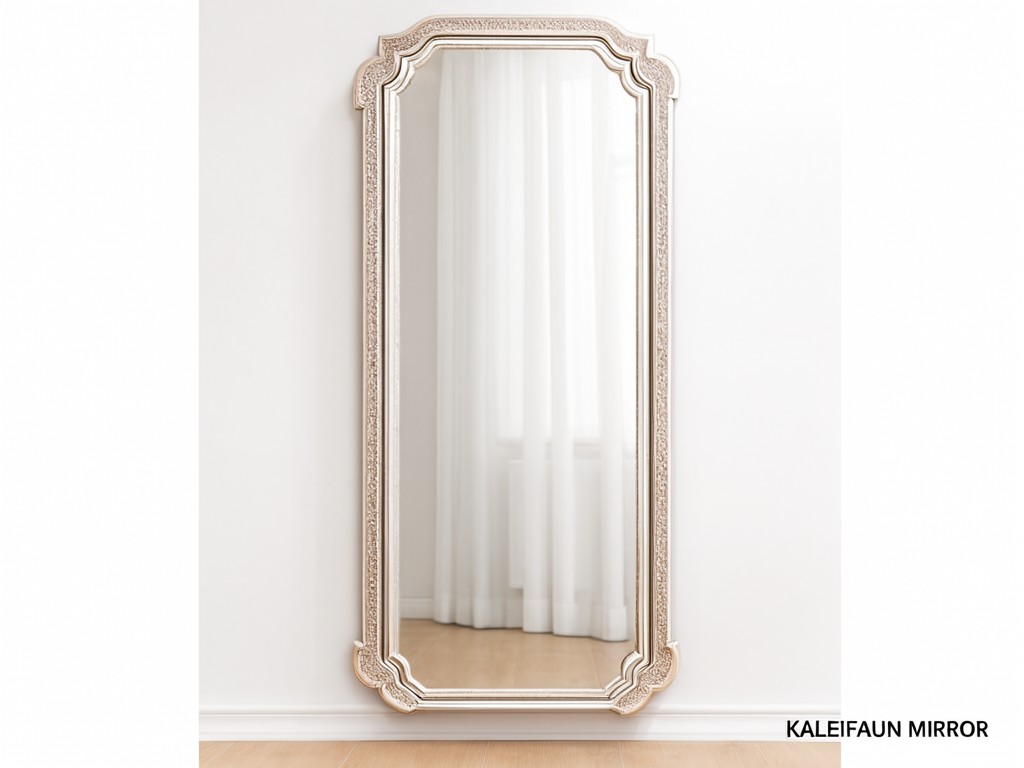
Durable wall mounted dressing full length mirror Distributor - Bulk Supply and Specification Guide
A full-length mirror is judged first by the image it presents, then by whether the glass, frame and wall fixings stay aligned through daily use and shipment. For private-label and wholesale buyers, repeat claims often trace to edge damage, distortion, loose brackets or packaging that fails to protect the corners. The economical specification is the one that prevents those faults at the expected use level.
Where Cheaper Alternatives Fall Short
Consistency depends on glass flatness, uniform reflective coating and a frame that holds the panel without point pressure. Lower-priced units may use thinner glass or simplified backing and frame construction; a bowed panel can make a full-body reflection appear uneven, while a chipped edge may spread into a visible crack after impact. Specify construction against the mirror’s finished size and service conditions, not on purchase price alone.
Freight damage is another recurring source of returns. Corner chips, abrasion against the frame and cracked glass often indicate poor separation or insufficient restraint inside the carton, rather than a defect in the reflective coating. For distribution, review the pack-out with the mirror size and shipping route in mind.
How It Is Built and What That Changes
Deflection under load governs how the mirror panel and its supports behave after installation. A typical production route cuts float glass to size, processes the edges, applies the reflective and protective layers, then fits the backing, frame and wall-mount hardware. Edge finish, glass thickness and frame support all affect how well the finished panel resists handling damage and stays seated.
A safety backing can help retain fragments if glass breaks, but it does not make the mirror unbreakable. Brackets and anchors must suit both the mirror’s weight and the wall substrate; confirm the supplied hardware and installation guidance for the destination market before approving the pack.
A heavier frame can protect edges and give installers a more secure fixing interface, but it also raises shipping weight and handling cost. Select frame material and profile according to the size, mounting arrangement and retail price point, then keep those details fixed across repeat orders.
How to Choose Before Requesting a Quote
Balance and load analysis shows why dimensions, mounting method and use frequency belong in the first quote brief. Follow this decision path to narrow the configuration before comparing unit prices:
- Set the finished height and width. If the mirror must fit a fixed wardrobe, changing dimensions late can affect frame tooling, carton size and freight cost.
- For a standard residential range, prioritize the agreed reflection area and a wall fixing suited to the mirror’s weight.
- For frequent use in fitting rooms or hospitality rooms, review edge protection, frame rigidity and access to replacement hardware.
- Choose the glass and backing configuration. If the mirror is large or sees frequent handling, assess a thicker panel and safety backing; if retail price is the main constraint, compare the savings against the added breakage exposure.
- Confirm mounting points and wall conditions. If the destination installation uses different wall types, state whether fixings are supplied, specified by the buyer or packed by market.
- Define packaging and branding needs before sampling. Carton strength, corner protection, inserts, labels and artwork affect both drop protection and order lead time.
| Use profile | Configuration to review | Trade-off and check |
|---|---|---|
| Residential or occasional dressing use | Standard glass and frame options, with mounting hardware matched to the intended wall type | Controls unit cost; inspect reflection uniformity, edge finish and bracket fit. |
| Frequent-use fitting room or hospitality placement | More protective frame details, safety backing and reinforced carton separation where the size or handling risk warrants them | Adds material and pack-out cost; check mounting security, corner protection and replacement-part availability. |
OEM and ODM Programme Structure
Private-label development can cover dimensions, frame profile and finish, backing, mounting hardware, carton structure and retail graphics. ODM selection from existing frame and size options usually avoids new tooling and shortens approval work; a custom profile or unusual dimensions may require samples, tooling review and additional production setup.
Approve a reference sample with its final hardware and packaging, not a bare glass panel. Record the approved measurements, surface appearance, labels and carton marks in the order specification so production and incoming inspection use the same reference.
Quality Control and Batch Consistency
Repeat-order complaints often follow small changes that buyers cannot see on a quotation: glass thickness, frame finish, bracket position or protective film. Keep the approved bill of materials and critical dimensions attached to the purchase order; substitutions should require buyer approval before production.
Batch records can link finished goods to material lots, inspection results and carton identification. That traceability helps isolate a damaged shipment or coating issue without treating every unit in a repeat order as the same failure.
What Gets Checked Before Shipment
Inspection should catch faults that become expensive after installation: chipped edges, visible coating defects, frame movement, incorrect dimensions and misaligned wall hardware. The checks below should match the approved sample and the buyer’s purchase specification.
Mirror and Frame
Check overall dimensions, glass condition, edge finish, reflective appearance, backing coverage, frame finish and assembly. Confirm that mounting points match the approved drawing or sample.
Hardware and Pack-Out
Check bracket fit and supplied components against the packing list. Review corner guards, separation between mirror and frame, carton closure, product labels and shipping marks before release.
A sample carton review is useful when a mirror size, insert or shipping route changes. Confirm the inspection plan and any buyer-specific acceptance criteria before the first production run.
Capacity, Tooling and Scheduling
Production timing depends on glass availability, frame fabrication, coating and assembly capacity, packaging materials, and the approval status of samples or artwork. Existing sizes and frame profiles usually move through planning with fewer setup steps than custom dimensions or new tooling.
A tooling review should confirm the profile drawing, fixing points, finish sample and any limits on size or frame geometry. Set the production window only after the buyer approves the specification and the packaging components are confirmed.
Keeping Repeat Orders Supplied
Stable reorder supply starts with a controlled specification and a forecast that accounts for glass, frame and carton replenishment. For regular wholesale programmes, agree reorder quantities, packaging artwork version, inspection records and notification rules for any material change.
Finished-goods stock may suit repeat demand for established configurations, while custom sizes and branding are generally scheduled against order forecasts. Confirm stock status, reservation terms and replenishment timing for each order rather than assuming an earlier production lot remains available.
For a tooling review, share target dimensions, frame references, mounting requirements, destination markets, forecast volume and packaging needs. A product specialist can identify which details use existing production options and which require new setup.