Durable White Wall Mirrors Decorative Factory: What Buyers Should Check Before Ordering
Design Constraints Behind the Specification
Deflection under load governs the frame, mirror thickness and hanging method as a single assembly. A large glass panel in a narrow decorative frame can flex during handling or wall mounting; a deeper frame improves support but adds material, packed volume and freight cost. Confirm the intended mirror size, wall type and mounting orientation before fixing the frame profile.
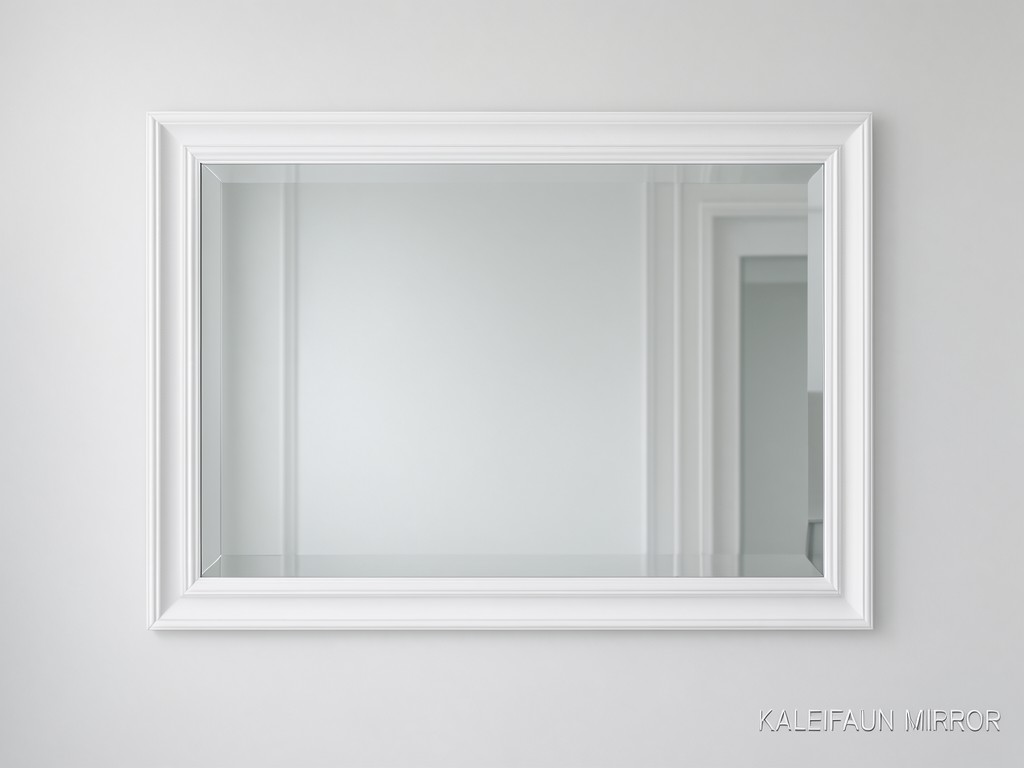
For a common indoor range, buyers may specify 3–5 mm mirror glass, subject to dimensions and support design. A white extruded polystyrene frame keeps weight and profile cost below many timber alternatives, while a painted or foil-faced finish can offer a different surface feel and appearance. The decision rule is practical: select the frame depth and finish for the retail position and handling conditions, not colour alone.
Bathroom placement adds moisture exposure at the glass edge, frame joints and hanging hardware. Specify sealed edges and corrosion-resistant hardware where humidity is expected; do not treat an indoor decorative mirror as an outdoor product unless the complete assembly has been designed and tested for that use. Smooth, finished frame edges also matter at close range, where buyers notice rough joins and sharp corners by touch.
Specification Range and Customisation Limits
| Finish or colour option | Factory route | Buyer consideration |
|---|---|---|
| Matte white | White base profile or a matte surface coating | Subtle surface texture can show scuffs and colour variation differently from gloss; approve a physical sample under retail lighting. |
| Gloss white | Gloss coating or gloss-faced profile | Reflections make surface marks more visible; define acceptable blemishes and the inspection light source. |
| Warm white or custom white | Custom colour-matched coating or foil, subject to production route | Colour matching may require a production sample and dedicated finish setup; approve the target under agreed viewing conditions. |
Treat the approved finish sample, glass dimensions, frame profile and hardware position as one controlled specification. A colour change on an existing profile may avoid new profile tooling; a new frame shape can require a dedicated extrusion die and setup time.
Overall dimensions, glass thickness, frame width, corner style, backing and hanger position can be agreed for a programme. Custom profile geometry has a cost and schedule consequence: tooling is a larger share of a short run, while a repeat order can spread that expense across more units. Confirm the maximum packed dimensions early, since glass size and protective packaging affect carton fit and freight planning.
Assumptions Buyers Should Stop Making
A white appearance does not define the finish route. White-through material, paint and decorative foil differ in surface feel, repair options and batch colour control. Name the finish and approve a sample rather than relying on a colour description alone.
A wall mirror is not automatically suitable for wet or exterior locations. Humidity can reach exposed mirror edges, backing and frame joints. Specify the location and cleaning conditions so the factory can confirm whether the selected construction is appropriate.
A sample approval does not by itself lock every production detail. The approved sample should be paired with a drawing that records the overall size, glass thickness, frame profile, corner construction, backing, mounting hardware and finish. If any of those change after approval, the buyer should review the effect on appearance, fit and packing before production proceeds.
Do not assume that tooling has no effect on launch timing. A standard profile can shorten the route to a production sample; a new profile adds die preparation, trial runs and approval steps. For a fixed retail launch date, choose a proven profile unless the custom shape is central to the range.
Requirements by Buyer Segment
Brand Product Managers
Range consistency matters across sizes and replenishment lots. Set the white finish reference, frame profile, acceptable joint appearance and retail packaging artwork before the pilot run. For a new silhouette, allow time for tooling trials and sample sign-off before committing to the launch calendar.
Importers
Carton protection, stacked pallet height and damage handling shape landed cost. Confirm glass protection, corner supports, outer-carton marks and the approved pack configuration with the order. A larger unit carton may reduce transit damage risk but can raise freight volume per mirror.
Both buyer groups should plan backward from the required ship date. The critical path depends on whether the frame uses an existing profile, how quickly finish samples are approved, glass availability, packaging approval and order volume. Freeze artwork and specification changes before the production slot whenever possible.
OEM and ODM Programme Structure
OEM: Work from a defined design
Provide the drawing, finish reference, branding files and packaging requirements. Using an existing frame profile can reduce setup work and keep the first production decision focused on glass, assembly and packing.
ODM: Develop the profile and specification
Share target dimensions, retail price position, room use and visual references. A new decorative profile may need dedicated extrusion tooling, trials and revisions; tooling cost is amortised more effectively across larger or repeat orders.
Order volume affects both unit economics and the production schedule. Small runs may carry a greater per-unit share of setup, colour change and packaging preparation, while larger runs can support more efficient batching once the specification is stable. Agree the MOQ by finish and size combination, not only by total programme quantity, since each variation can create a separate setup or packing requirement.
- Before sampling, align the dimension drawing, finish reference, logo artwork and intended mounting orientation.
- Before bulk production, approve the assembled sample and carton configuration against the launch and freight plan.
- For repeat orders, retain the approved specification and identify any changes to profile, finish, glass or packaging as revisions.
Inspection Items and Test Methods
The interface between parts determines many field complaints: glass edges, frame mitres, backing and hanger attachments all need checks as an assembled unit. A reasonable inspection plan covers appearance and dimensions on incoming or in-process parts, then checks the finished mirror and its packaging before dispatch.
Dimensions and squareness. Check overall size, frame width, diagonals and hanger location against the approved drawing.
Glass and reflection. Inspect for edge chips, scratches, visible coating defects and distortion under agreed viewing conditions.
Frame finish and joints. Review colour consistency, surface marks, mitre gaps, adhesive squeeze-out and sharp or rough edges.
Assembly and transit protection. Check hardware attachment and conduct an agreed pull or handling check; inspect the packed unit for movement and exposed glass edges.
Where humid-room use is specified, define a controlled exposure check for the frame, joints, hardware and mirror backing. Agree the exposure conditions and acceptance criteria before the order; do not infer outdoor suitability from a basic visual inspection. A retained approved sample and batch records help the buyer compare later production against the launch version.
Ordering, Tooling and Lead-Time Questions
Can an existing frame profile be used for a launch order?
Usually, an existing profile avoids new die preparation and reduces development steps. Confirm that its visible width, depth and corner shape fit the design before sample approval.
How does order volume change the unit price and schedule?
Setup and tooling costs are divided across the order quantity, so a larger stable run can lower the setup share per mirror. However, production time also depends on capacity, finish changes, glass supply and the number of size variations. Request a schedule against the confirmed mix rather than a single headline quantity.
What must be approved before the factory books bulk production?
Approve the production drawing, assembled finish sample, branding artwork and packed-unit configuration. Late changes to the profile, white tone, mirror size or carton can require new samples and move the ship date.
Can the factory match a supplied white colour reference?
A supplied reference can guide a coating or foil match, but the result depends on the selected finish route and production batch. Approve a physical finish sample under agreed lighting before releasing the full order.
Request a Specification Review
Send the target dimensions, intended room conditions, finish reference, order mix and required ship date. A review before sampling can identify profile tooling, packaging and approval steps that affect the launch schedule.
Discuss your mirror specification and production timeline