Specifying Wholesale Decorative Wall Mirrors For Bathroom Exporter for Wholesale and OEM Orders
Consistency is set at the forming stage for framed models: profile variation can affect corner fit, mirror seating and the finished outside dimension. A standard frame profile usually keeps unit cost lower; a custom profile adds tooling and setup cost but gives an OEM range a distinct outline. For second-source qualification, compare the approved sample, critical dimensions and construction—not appearance alone.
What This Product Is and Where It Fits
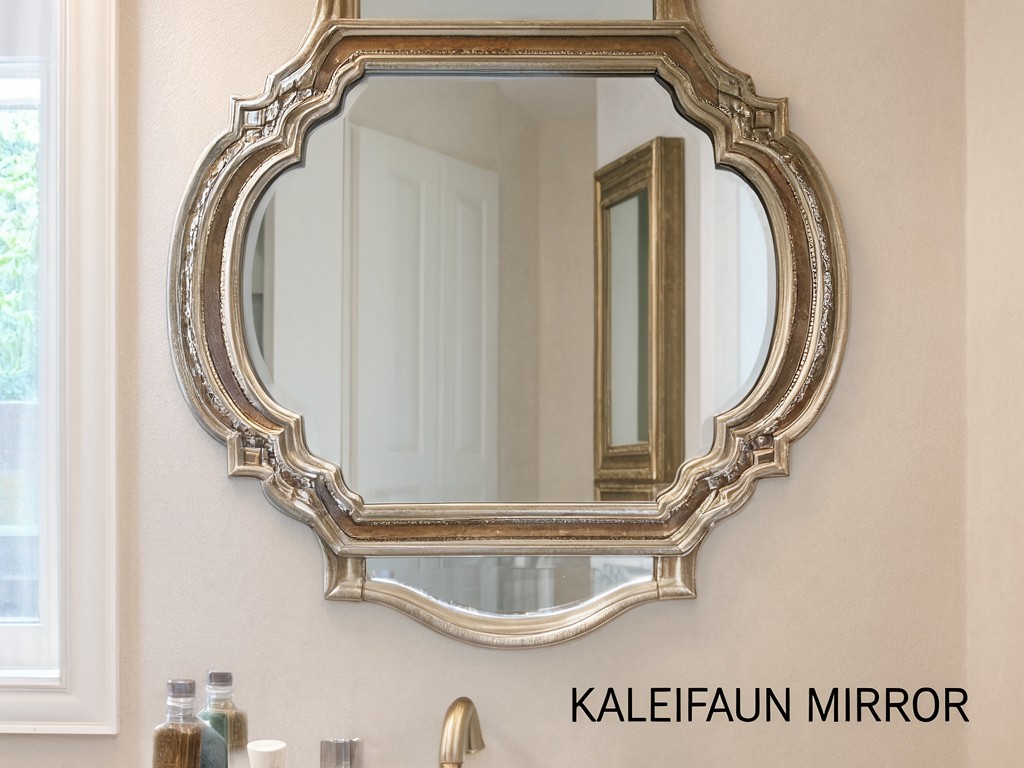
Decorative bathroom wall mirrors combine a reflective glass panel with a frame or finished edge, plus a wall-mounting arrangement suited to the selected orientation. Retail buyers typically source coordinated sizes and finishes for bath collections; OEM buyers may specify an exclusive shape, frame profile, backing detail or carton presentation.
Bathrooms expose mirror edges, frame joints and mounting hardware to repeated humidity changes. A design intended for a dry dressing area may not suit a room with regular steam and splash exposure. Confirm the intended installation zone before fixing the glass, frame material, edge protection and hardware specification.
Size, Weight and Specification Range
Process choice shows up later as fit variation, edge exposure and freight cost. Standard rectangular formats generally use existing cutting layouts and packing dimensions; a new outline can require a dedicated cutting template, frame fixture or carton insert. The size and thickness ranges below are indicative options, not fixed limits; confirm them against the chosen shape, frame and mounting method.
Specification rule: approve the overall dimensions, glass thickness, frame depth and mounting position as one drawing. A change to any one of these can affect the unit weight, wall clearance and protective packaging.
- Indicative formats range from compact accent mirrors to larger vanity-width panels; a common planning span is about 400–1,200 mm across, subject to shape and packing limits.
- Glass thickness is commonly selected within roughly 3–6 mm. Thicker glass adds weight and can change the required frame, wall fixings and freight protection.
- Frame depth, edge finish, hanger position and mounting hardware should be recorded on the approved drawing rather than left to a general product description.
Customisation Options and Their Limits
First-article tooling determines how much of the initial order cost is non-recurring. A standard outline and existing frame profile minimize setup; a bespoke shape or profile may need a new cutting template, forming die or assembly fixture. The appropriate route depends on expected reorder volume and the cost of holding dedicated tooling.
- If an existing shape and frame meet the range brief, select the closest standard combination.
- Keep the glass outline and mount positions unchanged to limit setup cost and simplify reorder matching.
- Use finish and packaging choices to differentiate the retail offer where the base construction already fits.
- If the range needs a distinct silhouette, compare the forecast quantity with one-time tooling and sample approval cost.
- A larger committed run spreads setup cost across more units, though it does not remove glass yield or protective-packaging costs.
- A smaller trial order can use a standard profile or a close available shape before the buyer funds a dedicated tool.
- If branding or finish changes are required, approve artwork, colour references, logo position and carton markings before the production sample is released.
Capacity, Tooling and Scheduling
Unit cost falls most predictably when the order uses a repeatable shape, frame construction and pack plan. Custom tooling raises the first-order cost; higher volume can spread that charge, but larger or irregular mirrors still consume more glass, packing material and container space per unit. The factory schedule also depends on whether the glass layout, frame components and export carton are already approved.
For a second-source program, request separate timing for sample development, tooling where applicable, sample approval and repeat production. An approved reference sample and controlled drawing reduce interpretation differences between suppliers. Final capacity and shipment dates should be confirmed against the order mix, finish count and packaging specification rather than estimated from total unit quantity alone.
Stock Availability and Reorder Planning
Stock is most useful for standard shapes and frame finishes that the supplier produces across repeat orders. A custom outline, exclusive colour or printed carton may require a fresh production slot even when the mirror construction is unchanged. Buyers qualifying a backup source should identify which components are standard stock, which are made to order and which depend on dedicated tooling.
| Exposure or design condition | Construction decision | Buyer trade-off |
|---|---|---|
| Frequent humidity and occasional splash near the mirror edge | Specify protected glass edges and a frame or finish suited to the intended bathroom zone. | More edge and frame protection can add material and assembly cost; leaving edges exposed may raise the risk of deterioration over time. |
| Large panel or heavy decorative frame | Match the hanging hardware and wall-fixing arrangement to the finished unit weight and installation surface. | Stronger mounting components and added carton protection affect cost and packed volume. |
| Frequent export handling or long distribution routes | Set the corner protection, face separation and outer carton to the mirror size and shipping configuration. | More protective packaging uses more material and space but limits transit damage exposure. |
Questions Buyers Ask Before Ordering
Can a second source match an approved mirror sample?
Yes, if the sample is paired with a dimensioned drawing and defined finish, glass, frame, mounting and packaging details. Those records give both suppliers the same reference; a sample without controlled specifications leaves room for differences in fit and appearance.
When does a custom shape justify a dedicated tool?
It depends on the forecast quantity, expected reorder frequency and the cost of the template or fixture. A standard outline usually suits a low-volume trial; a distinct shape becomes more economical when repeat volume can absorb the setup cost.
What should be ready for a sample request?
Provide the target dimensions, shape reference, preferred glass and frame construction, mounting details, finish or branding requirements, destination market and estimated order quantity. If the mirror is intended for a humid bathroom zone, state that use condition before sample specifications are fixed.
Request a sample for source qualification. Share the drawing or reference image, target order volume and required delivery market so the sample route, tooling assumptions and packaging scope can be reviewed together.