Specifying wholesale modern minimalist metal wall mirrors factory in china for Wholesale and OEM Orders
Material choice starts with the conditions the product will meet: mirror size, installation location, handling frequency, and the distance it must travel. For a second-source program, qualify the glass, frame section, edge treatment, and mounting arrangement together; changing one can alter both carton protection and the rate of transit or installation claims.
A minimalist appearance leaves little room to hide a bowed frame, uneven glass reveal, or coating blemish. OEM orders therefore need a controlled drawing and approved reference sample before the factory repeats the metal cutting, joining, finishing, and mirror assembly process across production lots.
Scope of Supply and Physical Form
Typical supply is a flat mirror panel held by a narrow metal perimeter frame, with wall-fixing hardware or a prepared hanging point specified for the intended orientation. The frame may use formed steel or aluminum sections; the mirror is cut to the approved outline, its edges are finished, and the frame is joined and coated before final assembly.
For importer and private-label programs, define these points in the product drawing and purchase specification:
- Overall width, height, depth, corner radius, frame face width, and the permitted glass-to-frame reveal.
- Glass thickness and edge finish, plus whether a backing film is required for the intended market or installation environment.
- Metal type, section geometry, joining method, finish colour, and the location and load path of wall attachments.
- Orientation, included hardware, retail label position, and the approved packaging configuration.
A change from steel to aluminum, or from a flat to a deeper frame section, affects more than appearance: it changes mass, rigidity, joining details, finish preparation, and freight cube.
Where Cheaper Alternatives Fall Short
Lowest unit price can shift cost into returns. Thin or poorly supported frame sections can move during handling, while inconsistent corner joints leave visible gaps or a changing reveal around the glass. If the glass edge contacts the frame under impact, chipping and breakage become more likely.
A light coating or weak surface preparation can show scratches, chips, or corrosion at cut edges and welded joints after transport or installation. These defects are difficult to correct at retail, so the apparent saving on the frame can be outweighed by replacement freight, warranty handling, and lost reorder confidence.
Compare offers against the same glass specification, frame section, finish coverage, mounting design, and packaging test criteria. Otherwise, different suppliers may be quoting products that share a silhouette but do not share the same service life or claim exposure.
Measured Performance in Real Use
Steel Frame
Steel can provide a firm perimeter at a slim visual profile, but added mass increases handling and wall-fixing demands. Specify joint location and coating coverage carefully, especially where the frame is cut, welded, or drilled.
Aluminum Frame
Aluminum can reduce finished weight, which may help with handling and freight. Section geometry and corner assembly must still control racking; a lighter frame is not automatically a stiffer frame.
In use, buyers judge dimensional consistency, a clear and undistorted reflection, secure wall attachment, and resistance to ordinary movement during delivery and installation. Confirm the mirror dimensions and flatness against the approved drawing, then check the assembled unit for frame twist, glass movement, exposed sharp edges, and defects visible at the agreed viewing distance.
How to Choose Before Requesting a Quote
Construction options diverge as soon as weight matters. Send one controlled brief to each candidate factory so that quotations can be compared on the same product rather than on broad descriptions.
- Provide the finished dimensions, drawing revision, orientation, corner details, and acceptable dimensional tolerances.
- Set the glass thickness, edge finish, backing requirement, and visual acceptance criteria. State whether the approved sample or a supplied reference will govern appearance.
- Identify the frame material and section, finish colour and sheen, joining details, and mounting method. Request separate pricing where a material substitution changes weight or assembly.
- State order quantity, destination, retail-pack needs, carton-marking requirements, and any pre-shipment inspection hold point.
For a second source, compare sample approval time, production capacity for the specified frame process, replacement-part feasibility, and proposed controls for repeat orders alongside the quoted unit price.
How Consistency Is Held Across Batches
Repeatability starts with a released drawing, a signed-off sample, and fixed material descriptions. Record the glass dimensions, frame section, finish reference, assembly position, and mounting details as controlled production inputs; a colour name alone is not enough to hold the same appearance between coating lots.
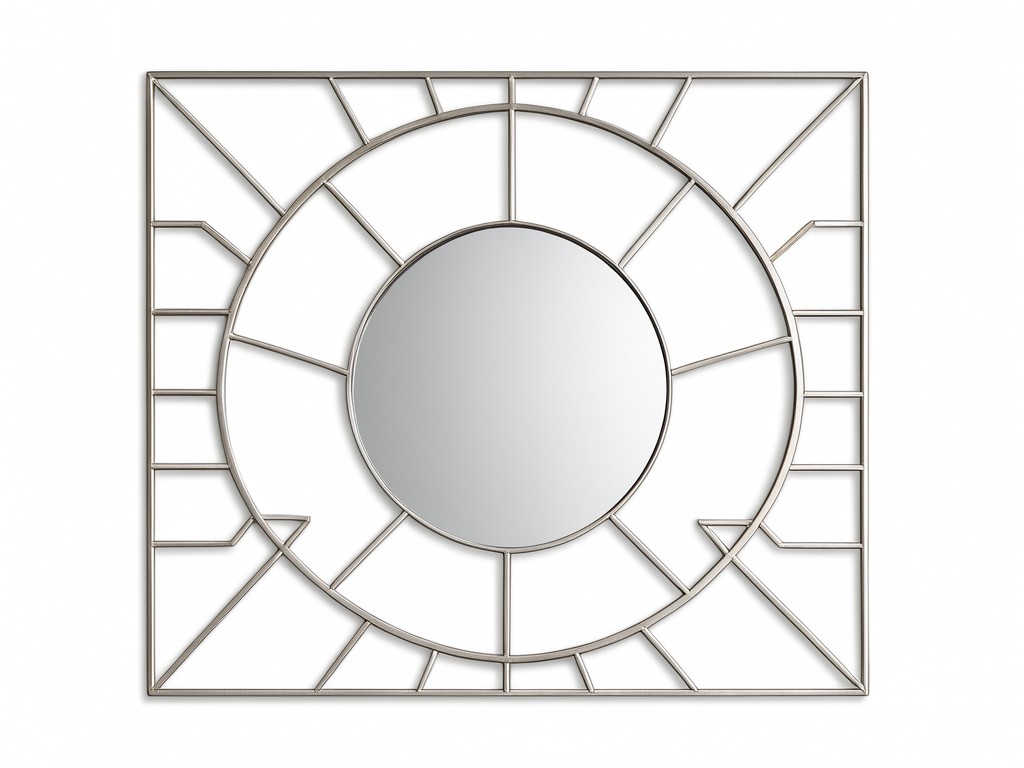
During manufacture, compare first-off parts with the approved reference before the full batch proceeds. Check frame cuts and joints before coating, then verify finished colour and coverage under consistent viewing conditions. At assembly, use locating features or a repeatable fixture to control glass position and reveal. Keep lot identification tied to the production records so that a defect report can be traced to its frame, glass, finish, and packing batches.
This process does not remove all variation; it makes deviations visible before they are repeated across an OEM order. For a new supplier, agree how a nonconforming lot is isolated, reworked, or replaced before the purchase order is released.
What Gets Checked Before Shipment
Inspection should follow the approved drawing and sample, not a general appearance check alone. A practical pre-shipment plan covers the unit, the attachment points, and the packed carton.
For dimensional checks, use appropriate measuring tools at agreed datum points. Examine the assembled mirror for scratches, edge chips, coating skips, sharp edges, loose glass, frame twist, and visible joint gaps. Verify hanging hardware position and attachment security against the specified installation arrangement; do not treat a visual check as a substitute for a defined load test when one is required.
A documented sample plan can include dimensional sampling, finish comparison to the retained reference, assembly checks, and carton condition review. If the buyer requires transit testing or a particular drop sequence, define the method and acceptance criteria before production rather than relying on an unspecified “drop-tested” claim.
Packing, Marking and Freight Configuration
| Packing element | Specification to confirm | Why it matters |
|---|---|---|
| Glass and frame protection | Edge guards, face separation, and cushioning around corners and metal projections | Reduces glass-to-frame contact and finish scuffing during movement |
| Retail or inner pack | Pack orientation, included hardware, protective inserts, and brand or product identification | Keeps the unit and installation parts together through distribution |
| Export carton and pallet | Carton strength, unit count, stacking orientation, pallet pattern, and destination labels | Sets freight cube and helps prevent compression or handling damage |
| Traceability marks | Purchase order, model, carton quantity, and agreed batch or lot reference | Supports receiving checks and investigation of damage or warranty claims |
Carton dimensions and pack count should be confirmed against the finished mirror and the buyer’s freight plan. A stronger pack may raise material and shipping costs, but the relevant comparison is the landed cost after breakage, replacements, and handling claims.
Review the Specification Before Sampling
Send the drawing, reference images, target order quantity, destination, and packaging requirements for an artwork-and-branding review. The factory can check whether the proposed brand placement and retail marks fit the product and carton layout before the sample and quotation are finalized.