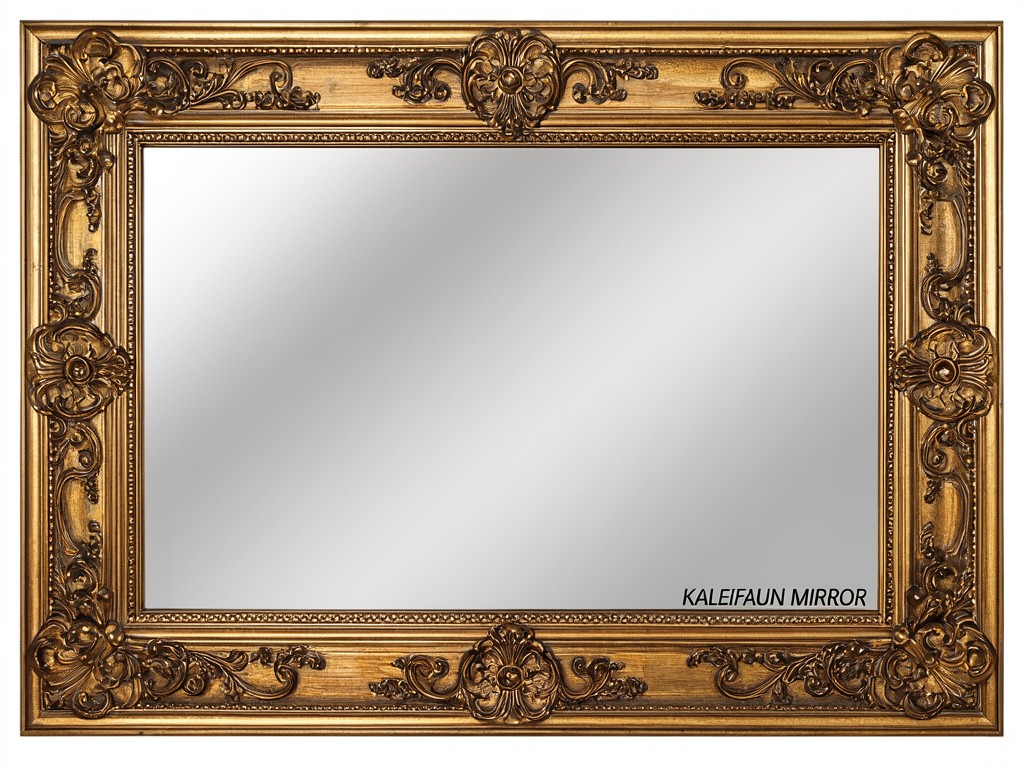
Bespoke Classic Framed Wall Mirror Factory: Specification, Ordering and Quality Notes
Compare the packed cost per sellable mirror, not only the unit price. Glass thickness, frame material, corner strength and protective packing affect breakage, finish damage and warranty claims; a small saving at purchase can disappear after returns and replacement freight.
The Problem Buyers Keep Paying For
The complaint that repeats across reorders is a mirror that does not match the approved sample. Frame colour shifts, mitred corners open, or the glass sits unevenly within the rebate. Each issue may look minor at inspection, but retail returns and replacement shipments add cost well beyond the initial unit-price difference.
For importers and procurement teams, batch consistency depends on controlling the parts that set the visible fit: glass dimensions, frame opening, corner joints and backing retention. A change in frame stock or glass source can alter fit even when the catalogue size stays the same. Agreeing the finished outside dimensions, glass size, frame profile and acceptable finish variation before bulk production gives both sides a usable inspection reference.
Material Options and Their Trade-offs
Frame material changes both landed cost and the type of damage most likely to reach the customer. MDF supports painted or wrapped profiles at a controlled price, but exposed edges need sound sealing because moisture can swell the substrate. Solid timber costs more and brings natural grain variation; stain matching and moisture control matter if pieces from one order must look consistent. Polystyrene profiles reduce shipping weight and avoid wood movement, though the surface and corner joints need assessment against the intended retail presentation.
For the reflective panel, standard silvered float glass is a common choice. Thickness should be selected against the mirror dimensions and support method; increasing thickness adds weight and freight cost, so it is not a substitute for a correctly supported back. A protective coating over the silver layer can reduce damage risk during handling, but edge coverage and backing fit remain important because moisture ingress at an exposed edge can lead to dark spots.
| Finished mirror size | Typical glass thickness | Indicative unit weight | Weight basis |
|---|---|---|---|
| 400 × 600 mm | 3–4 mm | About 3–6 kg | Varies with frame width, material and backing |
| 600 × 900 mm | 3–4 mm | About 6–11 kg | Larger profiles and timber frames add weight |
| 800 × 1200 mm | 4–5 mm | About 12–20 kg | Estimate includes a typical frame and backing; confirm against the approved construction |
These are planning ranges, not order tolerances. Confirm actual net and packed weights from the production specification before freight booking; frame profile, glass thickness and carton protection can shift both figures.
Construction Method and Its Effect on Consistency
A typical framed mirror line begins with glass cutting and edge finishing, followed by silvering and protective backing coats. The frame lengths are cut to suit the agreed outside dimensions, joined at the corners, then fitted around the glass with a backing panel and retainers. Each stage affects the next: inconsistent glass size changes the reveal, while a frame opening that varies across batches can leave the panel loose or under pressure.
For repeat orders, the factory should check glass dimensions, finished outside dimensions, corner alignment, frame finish and backing retention against the approved sample and specification. Visual inspection under consistent lighting can reveal scratches, coating blemishes and colour shifts; a fit check can identify rocking glass or uneven gaps. The inspection plan should define sample frequency and defect limits before the order starts, rather than after cartons are packed.
A mitered frame can deliver the classic profile buyers expect, but its appearance relies on accurate cuts and a stable joint. Reinforcement or a stronger joining method can add assembly cost; it is often justified for larger formats that face more handling stress in packing and distribution.
Buying Mistakes That Lead to Returns
Most quality disputes start with a consistency gap. A buyer approves the visible frame but leaves the glass thickness, edge finish, backing method or measurement reference open to interpretation. Later, a nominally identical mirror can arrive with a different frame reveal or a heavier construction that affects shelf handling and freight cost.
Another costly omission is treating protective packaging as a separate logistics detail. Glass corners and frame edges need restraint inside the carton; excess movement can produce chips, scuffs or open joints before the product reaches the importer. Ask for a packed sample or packaging review for the actual mirror size, then record the carton arrangement and protective materials as part of the order specification.
Price comparisons also need a shared basis: same dimensions, same frame material, same glass and backing construction, same inspection scope, and equivalent export packing. Without those controls, the lower quote may simply exclude cost-bearing details that return later as claims or replacements.
Care, Storage and Service Life
Store cartons upright only where the pack design supports that orientation; otherwise, follow the agreed carton marks and keep the load level, dry and protected from impact. Prolonged damp storage can affect frame substrates and mirror edges, particularly if cartons are torn or exposed to condensation. A dry warehouse and intact edge protection reduce the chance of damage before installation.
For end users, a soft cloth and a cleaner applied to the cloth—not sprayed directly onto the mirror—help limit liquid entry at the edge. Wall fixings must suit the wall material and the mirror’s actual weight; large formats may need two-point support. Clear care and installation notes in the retail pack can prevent avoidable complaints that are unrelated to factory finish.
Before placing a private-label order, align the artwork and branding review with the approved frame finish, retail presentation and carton markings. Send the target dimensions, expected order quantity, reference images and packaging requirements for a factory review of the specification and inspection points.
Request an artwork and branding review before sample approval and bulk production.