custom floral carved crest wall mirror suppliers: Specification, Ordering and Quality Notes
Most quality disputes start with a consistency gap: crest depth, frame dimensions or finish tone shifts between the approved sample and a repeat order. A simpler routed profile costs less to produce; deeper carved relief needs more machine time and hand refinement. Match the carving depth to the retail price and expected reorder volume before approving the sample.
Design Constraints Behind the Specification
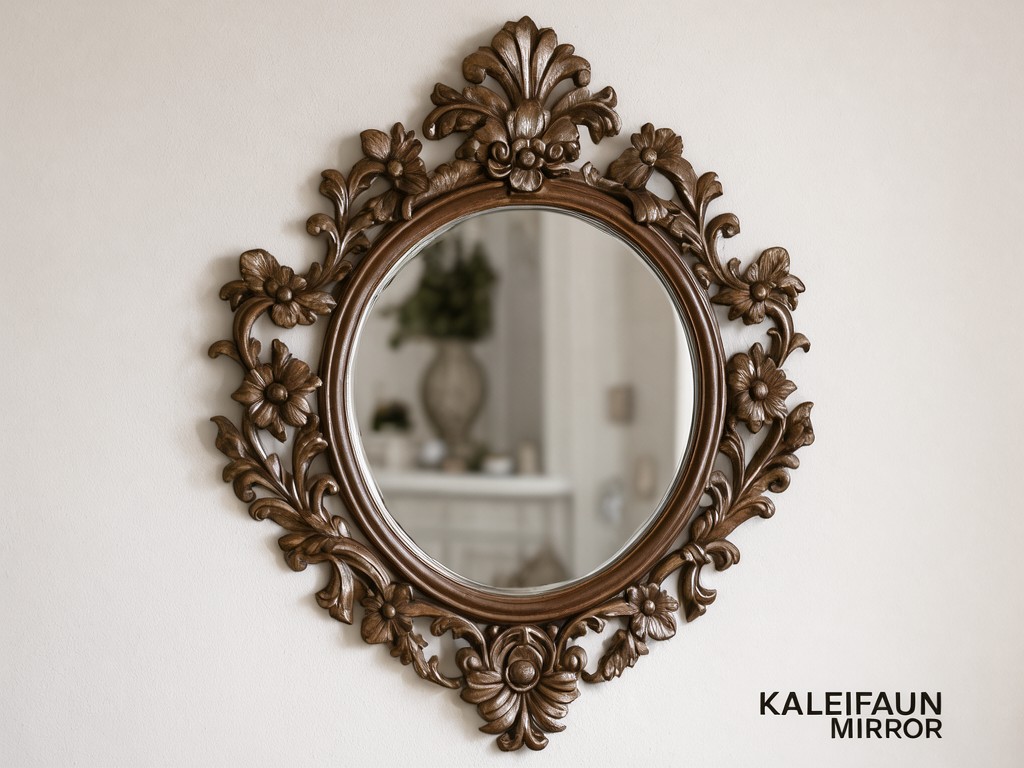
A floral crest has to read clearly from across a room without making the frame difficult to pack or hang. Deep petals and narrow scrolls create more visual relief, but they also increase carving time and leave delicate points exposed to knocks in transit. For club reception areas, academy common rooms and home-furnishing retail, the chosen profile should suit the viewing distance and the handling the product will receive.
Artwork approval should define the outer dimensions, crest projection, repeat details and finish tone. A sample that specifies only overall height and width leaves too much room for interpretation; small changes to the crest silhouette can alter both visual balance and carton clearance. Sanded transitions and eased edges also matter to the hand feel when customers handle the frame in-store.
How It Is Built and What That Changes
Production starts with a drawing or approved master profile. CNC routing establishes the main crest contours and frame sections; hand carving and sanding refine tight floral details that a toolpath cannot leave cleanly. The frame is assembled, checked for squareness, finished to the approved sample, then fitted with mirror glass and backing.
A new design requires drawing preparation, toolpath development and a first-off sample. That setup cost is spread across the order quantity, so a larger run can lower the carving setup cost per unit. The trade-off is schedule: intricate relief takes longer per frame, while a shallow, repeatable profile moves through production faster. Locking the sample and artwork before the production slot limits rework and protects the quoted unit cost.
Size, Weight and Specification Range
Use the following planning ranges for a first discussion, not as a substitute for a signed drawing. Final dimensions and weight depend on the crest profile, mirror area, frame material and hanging hardware.
| Specification | Planning range or option | What to confirm at sample approval |
|---|---|---|
| Overall size | Common project sizes fall around 600–900 mm wide and 900–1,500 mm high. | Maximum crest width, frame projection and the finished outer dimensions. |
| Mirror glass | Typically 3–5 mm, selected to suit the mirror size and frame construction. | Glass thickness, visible opening, edge finish and acceptable visual blemishes. |
| Frame and crest | Carved hardwood for deeper relief; engineered wood for suitable shallow routed profiles. | Material, carving depth, joinery and the approved surface finish. |
| Finished weight | Often about 8–22 kg across the size range; glass area and frame section drive the result. | Weigh the approved sample and match hanging hardware to the intended wall fixing. |
| Finish and colour | Paint, stain or other agreed finish; colour depends on substrate and preparation. | Approve a physical finish sample under consistent viewing light. |
Comparing Two Standard Configurations
The material choice changes carving detail, unit cost and the amount of handling the crest can tolerate. Compare both against the approved profile rather than choosing on material name alone.
Carved Hardwood Crest
Choose this route for deeper floral relief, softer transitions and a substantial hand feel. More carving and finishing time raises the unit price, but the material suits profiles where shallow routing would flatten the detail. Grain variation also means finish approval should account for natural differences between pieces.
Use a signed sample and defined finish reference for repeat production; specify the crest edges that must remain crisp after sanding.
Engineered-Wood Routed Crest
A routed engineered-wood profile can reduce material variation and suit shallower floral designs. It is usually the lower-cost option at repeat volume when the drawing stays stable and the toolpath can run without repeated adjustment. Very narrow projections or deep undercuts are less suitable because they can leave fragile edges.
Confirm edge sealing and finish build on the sample, since exposed cut surfaces may absorb finish differently from the face.
Working as a Production Partner, Not a Catalogue Supplier
A custom order needs a controlled path from artwork to repeatable production. Share the target retail price, intended size, expected annual quantity and finish reference early; those details help the factory select a carving depth and material that fit the margin without stripping out the visible character of the crest.
For OEM work, the buyer approves the drawing, sample, finish and packaging marks before the production run. ODM development can start from a reference image, but the image alone does not define the rear construction, glass opening or hanging arrangement. A dimensioned drawing and first-off sample close those gaps before the order quantity is committed.
How Consistency Is Held Across Batches
Batch checks should compare the first-off unit with the approved sample for outer dimensions, crest profile, frame squareness, mirror fit and finish tone. A profile template or fixed measuring points help detect drift before the full run reaches packing. Visual checks also cover chipped glass edges, open joints, finish skips and uneven transitions in the carved detail.
Retain the approved drawing, finish reference and inspection record against the order. On a reorder, the previous sample serves as the comparison point; a material substitution or revised carving file should trigger buyer approval before production. This is especially useful for importers and retail buyers who need the next shipment to match existing stock on the sales floor.
Keeping Repeat Orders Supplied
Repeat supply depends on more than the first order quantity. Stable artwork, approved materials and forecast visibility let the factory plan carving capacity and buy materials against a known specification. A one-off design change may require new programming and sampling; larger, confirmed volumes can spread that preparation cost across more units, while last-minute revisions can move the production slot.
For buyers balancing stock availability with cash tied up in inventory, discuss a staged release against a shared production plan. Confirm the reorder trigger, permitted finish variation and whether each shipment needs fresh sample approval before the first order closes.
Packing, Marking and Freight Configuration
The crest is the most exposed part of the mirror, so inner protection should hold it clear of carton walls and prevent movement around the frame. Glass protection, corner support and carton strength should be matched to unit weight, stacking plan and the route from factory to receiving warehouse. A packed sample can reveal contact points that are not visible on an unpacked inspection.
Agree carton marks, item identification, quantity per carton and any retail label placement before packing starts. For mixed-model shipments, clear model and finish identification reduces receiving errors. Freight dimensions should be checked with the proposed inner pack in place, since a larger crest can change carton size and shipment volume.
To discuss a floral crest drawing, target order volume or repeat-supply plan, send the project specification for review. Include the intended mirror size, reference artwork, preferred material and destination market so the sample route and production timing can be assessed together.