Specifying custom textured frame wall mirror manufacturer for Wholesale and OEM Orders
Consistency is set at the forming stage. If the frame profile or texture shifts between production lots, the difference shows on the retail wall: adjoining mirrors no longer match, colour reads unevenly, and buyers face avoidable returns. For wholesale orders, approve the frame profile, finish reference and assembled sample before fixing the production specification.
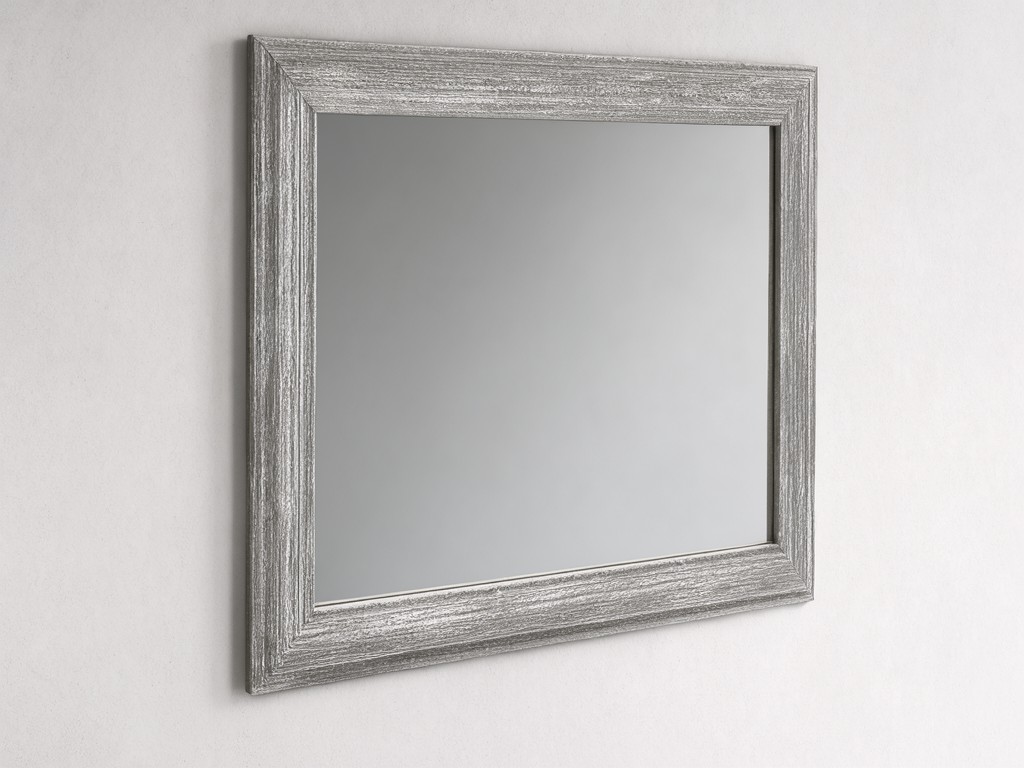
A custom textured frame wall mirror combines mirror glass, a shaped frame, protective backing and wall hardware. The purchase decision is not simply a lower unit price. Frame consistency, breakage in transit and the ability to repeat an approved finish affect the sellable share of each shipment and the cost of replenishment.
Material Options and Their Trade-offs
Molded polystyrene suits repeat orders that need a consistent relief pattern and controlled frame weight. A production mold adds upfront tooling cost, but it repeats the profile without relying on a worker to reproduce each detail by hand. Painted or film-finished surfaces need an approved colour and texture sample; a finish name alone does not control appearance from one lot to the next.
Molded Polystyrene
A practical choice for repeated decorative profiles and larger wholesale runs. Tooling raises initial setup cost; once the mold is approved, it helps hold frame shape and relief across replenishment orders. Confirm the required finish by reference sample, since paint or film can change how the texture reads.
Wood or Metal Frames
Wood supports routed or carved detail, while metal allows formed or machined profiles. These options may suit a specific visual brief, but material variation, finishing steps and added mass can change both unit cost and packing needs. Select them when the desired texture or retail positioning justifies the difference.
Mirror glass is commonly specified at 3–5 mm, subject to overall dimensions and the required reflection quality. Thicker glass adds weight and freight cost; the frame and backing must also be selected to support the assembled mirror without undue flex. A backing film can help retain fragments if glass breaks, but it does not replace a project-specific safety-glazing requirement.
How It Is Built and What That Changes
First-article tooling determines whether a textured frame repeats cleanly or develops visible differences at corners and joints. For a molded frame, the profile is formed from the approved tool, trimmed, finished and checked against the reference sample. The glass is cut to the drawing, its edges are processed as specified, and the mirror, backing and frame are assembled with the selected retainers and hanging hardware.
A frame that sits out of square can expose uneven glass margins or complicate wall mounting. Loose retainers may let the mirror move in transit, while excess assembly pressure can stress the glass. Setting assembly checks around frame diagonals, glass fit and hardware position helps catch these faults before cartons are closed.
Approve a physical first article before the production run. Use it to confirm the frame dimensions, texture depth, colour, glass fit and hardware location. That reference gives later lots a defined comparison point rather than leaving finish acceptance to memory or a colour description.
Specification Range and Customisation Limits
Dimensions, glass thickness and frame profile should be confirmed together. A larger mirror needs a review of total weight, frame support, hanging hardware and carton protection; changing only the glass size can leave the assembly or packing specification out of step.
Overall Size
Common planning range: 300 × 400 mm to 900 × 1,200 mm. Confirm larger sizes against glass handling, wall hardware and export packing.
Glass Thickness
Typically 3–5 mm, selected for mirror size, reflection requirements and assembled weight.
Frame Face
A 30–80 mm face is a workable design range; deep relief or narrow details may require a tooling review.
Finish and Hardware
Set colour against an approved sample. Specify hanger position and style against the mirror’s final assembled weight.
The following comparison is for early selection, not a substitute for a dimensioned drawing and final weight confirmation.
| Usage Level | Typical Size and Build | Weight Planning | Buyer Consideration |
|---|---|---|---|
| Compact retail formats | Around 300 × 400 to 500 × 700 mm; 3–4 mm mirror glass with molded or routed frame options. | At 4 mm, glass alone is approximately 10 kg/m²; add frame, backing and hardware for finished weight. | Lower assembled weight can ease handling, but frame and carton protection still need to prevent corner damage. |
| Large wall and full-length formats | Around 600 × 900 to 900 × 1,200 mm; often reviewed with 4–5 mm glass and reinforced frame support. | At 5 mm, glass alone is approximately 12.5 kg/m²; confirm the complete unit weight before hardware and carton approval. | Higher freight and breakage exposure make fit, hanging hardware and protective packing more important to landed cost. |
Working as a Production Partner, Not a Catalogue Supplier
Retail buyers and importers often need a frame shape, finish or carton configuration that does not match a standard catalogue item. OEM or ODM development can cover the drawing, frame profile, glass size, backing, hardware, finish and retail packaging. Agreeing these items before quotation reduces late changes that can affect tooling, unit price and shipment timing.
For repeat supply, retain the approved sample, drawing revision, finish reference and packing specification as the order baseline. Measure frame dimensions and diagonals against that baseline at production checks. A small dimensional or colour drift can cause mixed-looking shelf stock; if discovered only after shipment, the buyer may have to sort inventory or discount units that do not match earlier deliveries.
Artwork should identify the frame colour, any logo placement, barcode and carton marks. Confirm print size, location and file format during sample review, since packaging revisions after approval can affect both production preparation and carton fit.
What Gets Checked Before Shipment
Inspection should compare the finished mirror with the approved drawing and sample, not only confirm that the carton count is correct. Frame length, width and diagonals reveal size or squareness drift; visual checks under consistent lighting help identify finish variation, chips, scratches and visible mirror defects.
Before shipment, confirm glass fit, edge condition, frame joints, backing retention and hanger position. Check finished weight against the agreed specification, since an unplanned change can affect freight calculations and the selected wall hardware. Carton checks should include protective separation and corner support; transit damage can erase the saving from a lower unit price.
For a new frame or packing design, review a packed sample before the order scales. Any transit or handling trial should use a method agreed for the intended shipping route and pack configuration; do not treat an unqualified trial as a performance certificate.
Stock Availability and Reorder Planning
Standard frame materials or existing tooling may shorten preparation, but a custom colour, new texture mold or non-standard carton can change the schedule. Confirm current material availability, sample approval timing and production capacity against the requested ship window before placing a repeat order.
Reorder planning works best when the buyer keeps the approved colour sample and specification with the purchase record. If the finish reference, dimensions or packing changes, treat it as a revision and approve the change before manufacture. That discipline helps keep lots visually compatible and lowers the risk of returns caused by a mismatch on the retail floor.
Review Artwork and Branding Before Sampling
Send the target dimensions, frame reference, colour or finish sample, logo artwork and packaging requirements for a specification review. Confirm the first-article sample and carton details before production approval.