Wholesale branch decorative mirror: What Buyers Should Check Before Ordering
Unit price settles the question only after the mirror reaches the shop in saleable condition and the next lot matches the first. For a branch decorative wall mirror, buyers are paying for more than reflective glass: the metal outline, finish, hanging arrangement and protective carton all affect returns and reorder confidence. Compare quotes against the approved dimensions, frame appearance and packed weight, not the item name alone.
Retail buyers and brand product managers usually lose margin when branches arrive with visibly different spacing, the finish shifts between lots, or the frame arrives bent after transit. Agreeing on a reference sample and a written specification gives purchasing teams a clearer basis for comparing landed cost per unit sold.
Scope of Supply and Physical Form
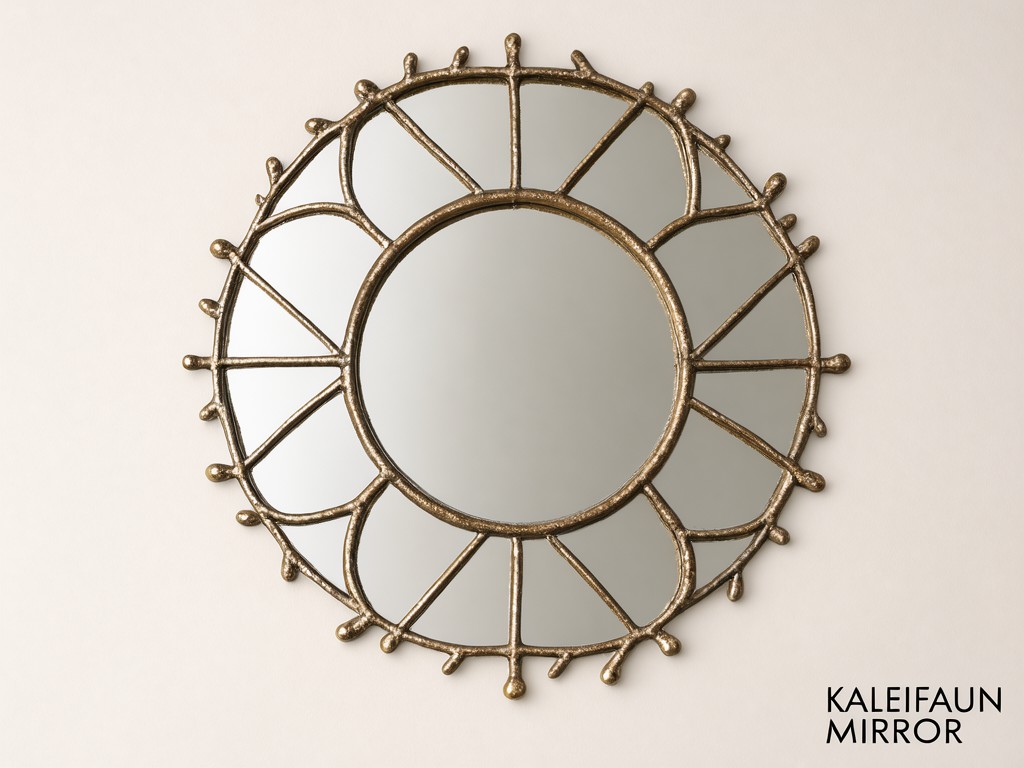
The usual product is a wall-mounted mirror with a central glass panel and a decorative metal frame formed into a branch motif. The frame may sit around the glass perimeter or extend beyond it as branch-like details; that distinction changes the overall footprint, carton size and risk of impact damage.
Confirm whether the quoted supply includes wall fixings, a hanging wire or rear brackets, and retail packaging. These details are not interchangeable: a mirror intended for a showroom display may need different protective packing and hanging hardware from one shipped individually to a home-furnishings customer.
The Problem Buyers Keep Paying For
A small visual shift can turn a repeat item into a slow seller. Branch spacing, frame projection and surface colour are easy to notice when several units hang together, while a mirror that rocks on the wall or arrives with a chipped edge can trigger a return even when the glass itself is intact.
Lot-to-lot drift costs twice: unsold stock ties up shelf space, then replacements create extra freight and handling. Set the approved sample, dimensions and finish description as the reorder reference; otherwise, a lower first-order price may not hold up against the cost of returns and inconsistent displays.
Reorder rule: approve one physical reference for the glass outline, branch silhouette, finish colour and hanging position. Record the packed dimensions as well, since carton changes can affect freight cost even when the mirror remains unchanged.
Material Options and Their Trade-offs
Frame material affects both the delivered price and how well the branches hold their shape through packing, transit and wall installation. Choose against the intended selling price and handling conditions rather than treating the frame finish as a purely cosmetic detail.
Steel or Iron Frame
A metal frame suits branch details that need defined edges and a firm outline. It can add weight and freight cost, so confirm the finished mirror weight and carton protection before selecting it for parcel-oriented retail.
Powder-Coated or Plated Finish
A powder-coated surface can suit matte or coloured frame designs; a plated look is generally selected for a brighter metallic appearance. Compare the approved colour and sheen under the same lighting, since finish variation between purchase lots can make adjacent units look mismatched.
Mirror glass thickness and backing should be specified with the intended size and support design. Thicker glass can add weight without resolving a weak hanging point or a frame that flexes; ask the supplier to quote a compatible assembly rather than selecting glass thickness in isolation.
Size, Weight and Specification Range
Branch mirrors are often sold by overall frame dimensions, not by the glass size alone. Record both measurements on the purchase specification, along with the finished weight and rear hanging arrangement; otherwise, quoted sizes may describe different parts of the product and comparison becomes unreliable.
| Retail or Installation Condition | Common Complaint | Specification to Confirm |
|---|---|---|
| Grouped wall display or narrow retail bay | Overall size or branch spread varies between units. | State overall height and width at the outermost frame points; approve the branch silhouette against a reference sample. |
| Home delivery or multi-handling distribution | Chipped glass edges, bent branch details or finish scuffs after transit. | Specify glass thickness, finished weight, edge protection and carton restraint to match the frame projection and shipping route. |
| Wall installation where the buyer supplies fixings | Mirror sits unevenly or the hanging point does not suit the installation. | Confirm finished weight, bracket or wire position, frame projection and the required wall-fixing capacity for the installation surface. |
| Repeat purchase across seasonal or replenishment lots | Frame finish or overall weight changes enough to affect display matching or freight pricing. | Set the finish reference, glass specification and accepted finished-weight range in the reorder record; typical mirror glass thickness is 3–5 mm, subject to size and frame support. |
Size and weight ranges depend on the branch profile and glass panel, so request a quote against a specific drawing or sample. For freight planning, compare the packed dimensions and gross weight as well as the net product figures.
Buying Mistakes That Lead to Returns
Returns often start with an incomplete quote comparison. Use the purchase order to close the gaps that product photos and short descriptions leave open:
- Comparing overall dimensions from one supplier with glass dimensions from another.
- Approving a finish by screen image alone instead of retaining a physical colour and sheen reference.
- Ignoring frame projection and branch tips when checking carton size or storage space.
- Assuming wall fixings are included or suitable for every wall type without confirming the supplied hardware.
- Ordering a repeat lot without confirming whether the original glass, frame finish and hanging arrangement remain the reference specification.
A signed or retained sample does not replace a clear specification, but it gives both sides a practical reference when a new lot appears different. Keep the dimensions, finish description and packing arrangement with the item code so buyers can spot a quote change before it reaches the warehouse.
Stock Availability and Reorder Planning
A decorative frame design may be available from stock, while a particular size, finish or packing format may require a new production slot. Ask which elements are held as repeat stock and which depend on current material availability before promising replenishment dates to retail accounts.
For a planned reorder, share the previous purchase order reference and confirm that the sample specification remains active. If the metal finish or glass source changes, request written confirmation of any effect on appearance, dimensions, packed weight or lead time before releasing the order. A few days gained on the first purchase can cost more if the next lot arrives too late for the selling window.
Setup, Use and Replacement Parts
Install the mirror on a wall that can support its finished weight, using fixings suited to that wall material. Branch details can extend beyond the glass, so leave clearance around the frame and avoid lifting the mirror by a decorative tip; concentrated force can bend the frame or stress the glass edge.
For routine care, use a soft cloth on the glass and avoid abrasive pads or cleaning chemicals on the frame finish. Keep standing water away from unsealed frame joints and the mirror backing, particularly in humid rooms unless the product has been specified for that environment.
Replacement glass, brackets or hanging wire depend on the original construction and dimensions. Before listing parts as service items, confirm whether the supplier can match the glass size, edge treatment and rear hardware for the same product version.
Questions Buyers Ask Before Ordering
Which dimensions should appear on the purchase order?
List overall frame height and width, glass dimensions if relevant, frame projection, finished weight and packed dimensions. This prevents quote comparisons based on different measurement points.
What can change the MOQ or lead time?
Stock status, frame finish, glass size and individual carton requirements can all affect availability. Ask for the MOQ and lead time against the exact specification and destination packaging, rather than relying on a general product estimate.
Can the supplier review the frame drawing before a bulk order?
Yes. Provide the overall dimensions, branch outline, glass opening and rear hanging details for a tooling and feasibility review where applicable. Agree any cost or schedule implications before order confirmation.
How can a buyer reduce finish mismatch on a reorder?
Retain an approved physical sample and identify its finish, sheen and product version in the reorder file. Request confirmation if a material or finish source changes before the new lot is released.
Review the Specification Before You Commit
Send the target dimensions, reference finish, projected order quantity and delivery market for a tooling and fit review. A clear review before purchase order release helps align the frame outline, hanging arrangement and packing assumptions across the quoted lot and future replenishment.