Specifying wholesale solid wood accent wall mirror factory for Wholesale and OEM Orders
The limiting factor is rarely the mirror glass specification. A launch date is more often put at risk by a frame that moves after finishing, a supplier change in timber appearance, or a packaging design that does not protect the corners through export handling. For wholesale and OEM orders, the frame profile, wood moisture condition, joint method, finish schedule, and carton design need to be settled as one specification.
Retail complaints tend to follow the same pattern: mitres open, the mirror rattles in its frame, or finish colour varies from one production lot to the next. These issues become harder to correct when artwork, samples, and packaging are approved late. A factory order plan should therefore connect sample sign-off and material reservation to the required ship window, not treat them as separate tasks.
What This Product Is and Where It Fits
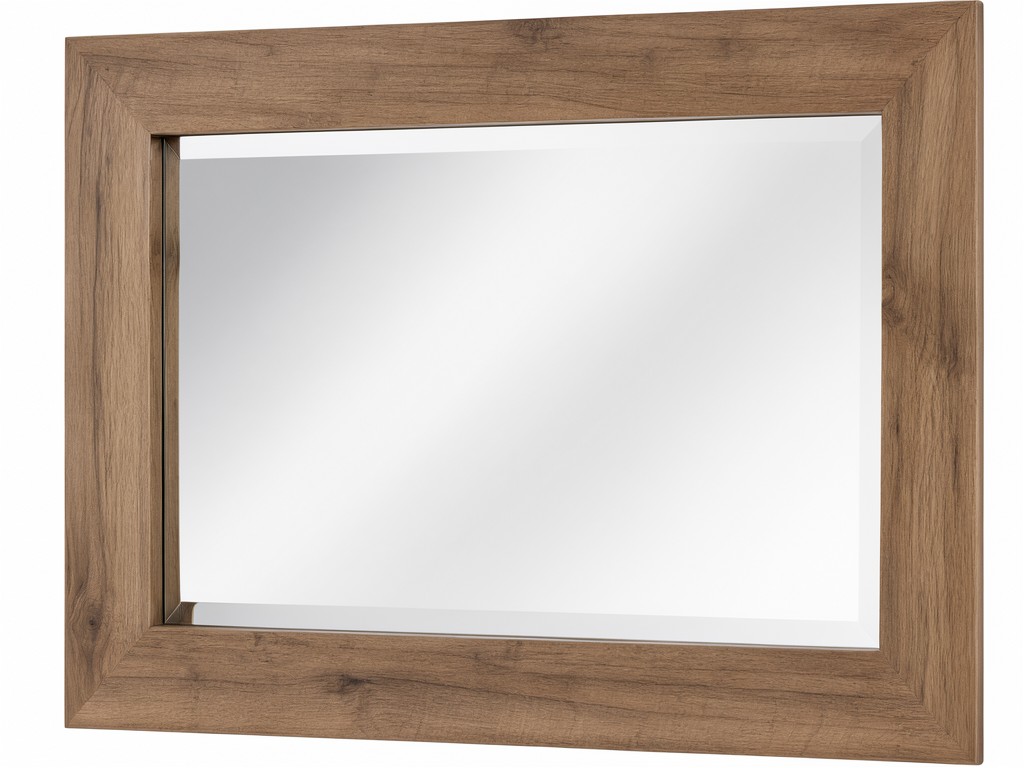
A solid wood accent wall mirror combines a framed mirror glass panel with a visible timber surround and rear support. Wholesale buyers typically specify it for home décor assortments, furniture retailers, hospitality fit-outs, and private-label collections where the frame contributes as much to the shelf appearance as the reflection area. Common choices include rectangular and round formats, plain or profiled rails, and clear, stained, or painted finishes.
For a coordinated retail range, frame width and finish tone should be reviewed alongside the mirror size. A wide rail adds visual weight and uses more timber; a narrow rail leaves more reflective area but gives less room for deep profiles and concealed fixing hardware. Confirm the finished outside dimensions, glass dimensions, hanging orientation, and hardware position on the approved drawing.
Where Cheaper Alternatives Fall Short
Lower-priced frames often save cost through shorter timber selection, thinner finish coverage, or simplified corner construction. Those savings can be appropriate for a value assortment, but they leave less room for variation in wood grain, machining, and handling. If a frame arrives with a loose joint or chipped corner, the landed cost includes replacement handling and a missed shelf date, not just the factory unit price.
Fatigue appears at the stress concentration: the mitred corners and the points where hanging hardware transfers load into the frame. A loosely fitted mirror can also shift in transit and strike the frame edge. For buyers comparing quotations, ask whether the same timber grade, joint detail, rear support, and protective packing are included. A low quote based on a different construction is not a like-for-like price.
How It Performs in Use
In a dry living room, the main service demands are stable frame joints, secure mirror retention, and a finish that handles routine dusting. Bathrooms and other humid rooms place greater demand on the timber finish and rear construction; a standard indoor wall mirror should not be presented as suitable for wet-area installation unless the specification and care guidance support that use.
Repeat loading drives the failure at the hanging points when a heavy frame uses undersized or poorly anchored hardware. The mirror’s installed weight, wall type, and fixing method must be considered together. The factory can supply designated hanging hardware, but the end user still needs wall fixings that match the installation surface.
| Use condition | Construction point to specify | Buyer consideration |
|---|---|---|
| Regular indoor display and use | Frame joint fit, mirror retention, and finish sheen | Approve the sample under the intended retail lighting. |
| Higher humidity than a typical living area | Finish coverage on exposed faces and edges; rear panel specification | Confirm intended placement and care instructions before sale. |
| Large or heavier wall format | Hardware position, rail section, and frame-to-glass fit | Set the declared product weight and mounting guidance from the final configuration. |
Materials and Construction Trade-offs
Timber species and grade affect grain visibility, machining behaviour, finish uptake, and cost. A more uniform appearance may require tighter selection and create more offcut loss; a natural-grain look allows broader visual variation but still needs an agreed sample range. Specify whether knots, colour variation, and filled grain are acceptable rather than relying on a species name alone.
Natural or Stained Timber
A clear or translucent finish keeps grain visible. It suits collections that use wood character as part of the design, but variation between boards is more apparent. Confirm an acceptable colour and grain range against a physical reference sample.
Painted Timber
An opaque finish gives the range a more controlled colour appearance and can reduce visible grain variation. It adds coating steps and makes edge coverage and corner preparation more important. Set the colour reference, gloss level, and acceptable touch-up policy before bulk production.
Mirror thickness, edge treatment, backing, and frame depth also affect the finished feel. A deeper frame can give the mirror a substantial profile, while increasing material use, carton size, and shipping volume. Keep those cost effects in view when evaluating a design change late in the order cycle.
Construction Method and Its Effect on Consistency
A practical factory route begins with timber selection and moisture conditioning, followed by cutting, profile machining, corner joining, sanding, and application of the specified finish. Once the finish has reached its required handling condition, the mirror and rear support are fitted and the hanging hardware is installed. The approved drawing controls outside dimensions, rail widths, corner detail, glass reveal, and hardware position.
Dedicated cutters or profile tooling can hold a repeated shape across a production run, but custom tooling adds an upfront charge. At lower volumes, that charge sits across fewer units; at higher volumes, the per-unit tooling share falls, provided the profile remains unchanged. A design with standard tooling may cost less to start, while a distinctive profile can earn its setup cost across repeat orders.
Schedule rule: freeze the frame profile, finish reference, and packaging artwork before bulk material preparation. Changes after machining or finishing begins can require new setup, consume reserved stock, and move the ship window.
Stock Availability and Reorder Planning
Stock availability depends on the selected timber, mirror size, finish colour, and current production commitments. Standard frame profiles and repeat finishes usually reduce setup work; custom mouldings, unusual dimensions, and tightly matched stain colours need more planning. For a launch with a fixed arrival date, confirm raw material availability and reserve the production slot after sample approval rather than relying on a preliminary estimate.
Reorders are easiest to align when the buyer keeps the approved sample, colour reference, drawing revision, and carton specification together. A finish can appear different on another timber batch, so reapproval may be needed if the wood source or coating system changes. Forecast quantities by size and finish; mixed configurations can affect purchasing and line setup even when they share a frame design.
| Packaging point | Factory specification to confirm | Why it matters to the order |
|---|---|---|
| Glass face and frame corners | Face protection, corner guards, and separation from the outer carton | Limits direct contact and corner impact during handling. |
| Retail-ready single unit | Inner carton, printed label, barcode position, and required language | Artwork approval must precede printing to avoid relabelling or repacking. |
| Export shipment | Master carton count, pallet plan, and stacking orientation | Carton dimensions affect container use and handling at destination. |
Ordering, Tooling and Lead-Time Questions
Final timing depends on sample approval, timber and mirror availability, finish development, tooling status, order quantity, and packaging artwork. Larger orders can improve unit economics through better use of setup time and material purchasing, but they may need an earlier production reservation. Smaller first orders can limit stock exposure; they may carry a higher unit cost when custom tooling and finish preparation are spread across fewer pieces.
Can a custom frame profile use existing tooling?
A profile that matches the factory’s available cutters may avoid a new tooling charge. Send a dimensioned section drawing or physical reference for comparison; small changes to rail shape can still require a dedicated cutter. Confirm tooling ownership, storage, and reuse terms in the quotation.
What information is needed to quote the first production order?
Provide mirror shape and dimensions, frame profile, timber or finish direction, hanging orientation, estimated quantity by option, and destination packaging requirements. A reference image helps explain appearance, but it does not replace dimensions or an approved sample for production control.
How can an OEM order protect a retail launch date?
Set the required arrival date first, then work backward from freight booking to the production release date. Approve the physical sample, finish reference, label artwork, and carton plan before bulk materials are committed. The factory can confirm a schedule against the actual configuration and order quantity once those inputs are fixed.
Request a specification review for frame dimensions, timber and finish options, tooling charges, order quantity, and export packaging. A configuration review before sampling helps identify cost and schedule decisions while changes are still practical.