Custom Contoured Oval Mirror Factory: What Buyers Should Check Before Ordering
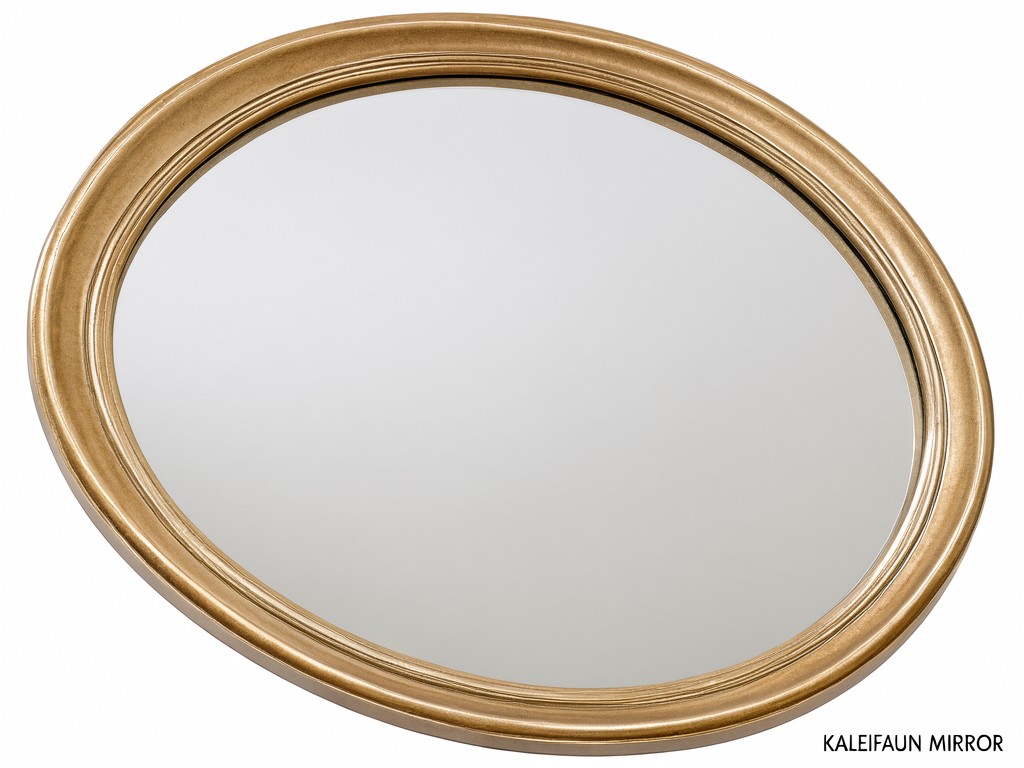
Deflection under load governs how a wall mirror should be specified: the glass is rigid, while the wall, backing and mounting points carry the installation load. For a custom contoured oval mirror, confirm whether “contoured” means an oval perimeter on a flat mirror or a curved reflective surface. That decision changes the forming process, viewing effect and price.
The Problem Buyers Keep Paying For
Returns often start at the perimeter rather than the centre of the glass. Small chips from rough edge finishing can grow into cracks after installation; moisture that reaches an unsealed edge can also attack the reflective coating and show as dark spots. A second complaint appears when a mirror arrives intact but the mounting hardware does not suit the wall or the mirror’s finished weight.
Cutting the oval outline accurately is only part of the job. Edge grinding and polishing, backing protection, packaging and a defined mounting method each affect the return rate. Set the acceptance details against the installation environment before approving a repeat order.
How It Performs in Use
The interface between parts determines whether a mirror stays secure and whether its coating remains protected. In a typical flat mirror, float glass carries the reflective layer on its rear face, with protective paint over the metal coating. An optional safety backing film helps retain fragments if the glass breaks, but it does not make the mirror unbreakable or replace suitable mounting.
For fitness rooms, dance studios and other indoor facilities, frequent cleaning and humid air can expose weak edge sealing first. Specify sealed edges and keep cleaners away from the perimeter where possible. If the mirror will face outdoor weather or repeated direct water exposure, confirm the coating system and intended service conditions with the factory; a standard indoor mirror should not be treated as an exterior-grade assembly.
Order rule: specify the wall type, finished mirror weight and mounting method together. If any one changes between production batches, recheck the fixings rather than carrying forward the previous installation assumption.
Size, Weight and Specification Range
Balance and load analysis shows why bounding dimensions alone are not enough for ordering. An oval’s glass area is lower than its rectangular bounding area, but the finished mass still depends on glass thickness, backing and any frame or hardware. The ranges below are common starting points, not fixed limits; confirm the factory’s cutting capability against the approved drawing.
Outline
Flat oval perimeter; set height, width and end radii on a dimensioned drawing.
Glass thickness
Common options include 3 mm, 4 mm and 5 mm; availability depends on size and process.
Approximate glass mass
About 7.5 kg/m² at 3 mm and 10 kg/m² at 4 mm, before backing or hardware.
Surface shape
Flat is the usual interpretation; specify the optical curve separately if convex or formed glass is required.
| Specification point | Typical options | Acceptance basis for repeat orders |
|---|---|---|
| Finished dimensions | Custom height and width; tolerance agreed by size and cutting process. | Approve a dimensioned drawing and define how overall height and width are measured. |
| Glass and mass | Usually 3–5 mm glass; mass varies with oval area, thickness and added components. | Confirm glass thickness and finished unit weight for packaging and mounting selection. |
| Reflective construction | Silvered mirror with protective backing paint; safety film may be specified. | Record coating, backing and film requirements against the approved sample or specification. |
| Edge finish | Ground, polished or otherwise finished as agreed for exposed or concealed installation. | Define acceptable edge appearance and confirm that exposed edges receive the specified protection. |
Comparing Two Standard Configurations
A plain-backed mirror suits controlled indoor locations where the glass is secured in a frame or against a suitable wall. A safety-backed version adds a film layer behind the glass, which can help hold fragments together after breakage. The film adds material and handling cost, and it does not remove the need for a sound fixing system.
Standard Silvered Mirror
Lower component cost and a thinner build suit framed installations with limited impact exposure. Prioritise edge protection and packaging; chips or backing damage can become visible after fitting.
Safety-Backed Silvered Mirror
The backing film adds cost and can make handling less forgiving, but it may reduce loose fragments if the glass breaks. Choose it when the buyer’s use case calls for fragment retention, and confirm compatibility with the mounting method.
Matching the Product to the Buyer's Need
Start with the complaint the next order must prevent. If buyers report dark marks, specify edge sealing and review cleaning practices; if units arrive with chipped outlines, review separator placement and carton protection; if installers report loose fixings, confirm the wall substrate and finished weight before selecting hardware.
A club or academy purchasing manager should also settle the viewing purpose. A flat oval mirror provides a normal reflection; a convex or otherwise curved mirror changes the reflected field and requires a defined optical profile. Do not approve a drawing that shows only an oval outline when the intended product needs a curved reflective surface.
What Can Be Customised and What Cannot
Factories can usually customise the oval outline, glass thickness, edge finish, backing and packing format. Each change still has a process limit: tighter contours may need a different cutting path, and larger or thicker glass raises both unit weight and freight risk. Surface curvature is a separate forming requirement, not an automatic feature of an oval cut.
| Customisation | Factory decision point | Buyer detail to provide |
|---|---|---|
| Oval outline and dimensions | Cutting capability and edge-finishing access depend on size and contour. | Dimensioned drawing with finished height, width and orientation. |
| Glass thickness and backing | Thickness affects mass and handling; film and coating options affect construction and cost. | Preferred thickness, safety-film requirement and intended use environment. |
| Edge finish and protection | Exposed edges need a finish suited to handling and the installation method. | State whether edges remain visible, sit in a frame or receive a separate seal. |
| Branding and packing | Labels and protective packing must not contact or abrade the reflective face. | Artwork, carton marks, unit protection and shipment configuration. |
A drawing cannot compensate for an undefined optical curve or mounting load. Those requirements need a separate specification and factory feasibility review before sample approval.
Segment-Specific Requirements
Dance schools and movement studios often position mirrors where users repeat movements at close range. Their buyers tend to value a consistent outline, a clear reflection and edges that remain protected through frequent cleaning. Choose a flat mirror unless a deliberate distortion or wider field of view is part of the use requirement.
Fitness clubs and academy facilities may move equipment, clean walls often or install mirrors across multiple rooms. For those conditions, specify these details before production:
- Wall construction and the fixing method, including whether hardware is supplied or purchased locally.
- Expected exposure to humidity, cleaning products and accidental contact.
- Carton protection for the longest dimension and any special handling marks needed for delivery.
- Batch identification and the approved sample reference used to compare repeat purchases.
Care, Storage and Service Life
Moisture trapped at the perimeter is a common route to backing deterioration. Store mirrors upright in dry conditions with face protection and suitable separators; avoid placing hard packing material directly against the reflective surface. During installation, keep the glass clear of concentrated point loads and use fixings suited to the wall and finished mass.
Use a soft cloth and a cleaner compatible with the mirror finish. Do not flood the edges, scrape the face with abrasive tools or allow liquid to sit behind the mirror. Service life depends on the coating, edge condition, mounting and cleaning routine, so record those details alongside the approved drawing for repeat orders.
Request a Specification Review
Send the outline drawing, glass thickness, edge and backing requirements, installation environment and packing needs. A factory review can flag process limits and clarify the sample approval points before a repeat order is placed.
Submit your mirror specification for review