For a discount gold oval wall mirror, the lowest glass and frame cost can raise the cost per unit sold if freight breakage, finish variation or returns increase. Agree the glass thickness, frame material, finish sample and packed configuration before comparing quotations.
Specifying Discount gold oval wall mirror factory for Wholesale and OEM Orders
Material choice starts with the conditions the mirror will meet: retail handling, wall mounting, freight distance and expected room humidity. A lower-cost frame can suit a decorative bedroom range, while a metal frame may better tolerate repeat handling and reduce corner-joint movement. The decision rule is to compare landed damage and return exposure, not frame price alone.
What the Design Has to Balance
Glass thickness affects panel weight, frame support and packing cost. A thinner mirror can lower material and freight costs, but larger oval formats need careful support to limit flex during handling. Thicker glass adds weight and carton demands; it is not automatically the better value if the frame and wall hardware are not specified for that load.
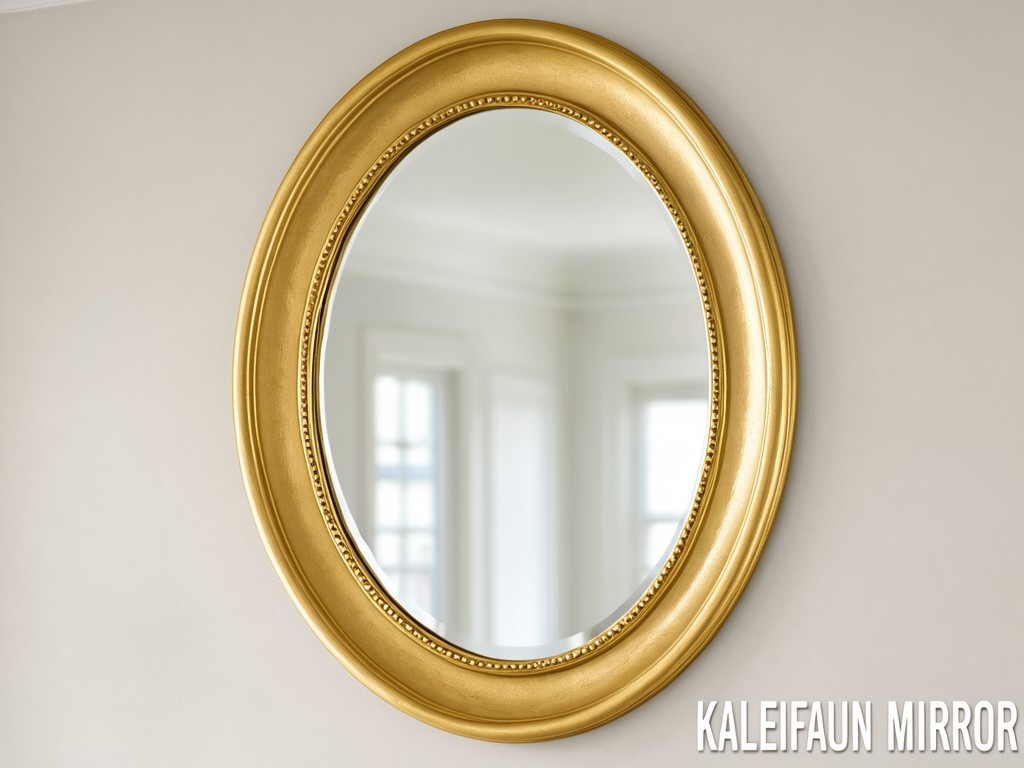
The gold appearance also needs a defined reference. Powder-coated metal, painted metal and gold-finish MDF can differ in tone, sheen and edge coverage. Approve a physical finish sample against the intended retail lighting, then record the selected material, colour reference and acceptable visual range on the order specification.
How It Performs in Use
A wall mirror is judged by a clear reflection, a stable frame and hardware that suits its installed weight. Glass edge damage can start during packing or transit; movement at frame joints can follow if the oval shape is not held evenly. Confirm overall dimensions, glass thickness, finished weight and hanging-point position on the approved drawing.
For larger formats, compare the sample reflection across the full viewing area and inspect the edge where glass meets frame. Specify rear backing and edge protection as part of the construction, not as an informal packing note. If the mirror is intended for a humid room, ask for the backing and frame finish details; a decorative finish alone does not establish suitability for persistent moisture.
Mounting hardware must match the final weight and the buyer's installation method. The mirror supplier can provide the hanging arrangement, but the wall fixing still needs to suit the wall substrate and be selected for the installed load.
Comparing Two Standard Configurations
The choice is usually between a lighter, lower-cost decorative build and a metal-frame build with greater resistance to handling stress. These are starting points for quotation; the approved drawing and sample set the actual construction.
| Configuration | Typical construction | Cost and service trade-off |
|---|---|---|
| Value decorative | MDF frame with a gold-painted or foil finish; mirror glass thickness and backing set by the approved size and weight. | Can reduce frame cost for indoor decorative ranges. Check finish edges and joint stability closely, since visible wear or separation can drive retail returns. |
| Metal frame | Formed metal frame with a gold-tone painted or powder-coated finish; glass and hanging hardware specified to the finished dimensions. | Usually carries a higher frame and finish cost. It can suit repeat handling better, provided the finish resists scuffing and the frame is protected from corrosion in the intended environment. |
Compare both samples at the target retail price point and in the proposed export carton. The lower unit quotation is useful only if its finish, damage rate and repacking burden fit the margin available per unit sold.
Usage Scenarios and Buyer Segments
Home décor wholesalers often need a compact assortment of popular oval sizes that fits mixed-SKU shipments and retail shelf plans. Their specification should prioritize repeatable gold tone, carton dimensions and protection at the glass perimeter, since damage claims can erase the price advantage of a lightweight build.
Private-label buyers may choose a more distinctive frame profile or branded carton for a planned range launch. That route adds sample and artwork approvals, so lock the dimensions, finish, label placement and packaging dieline before confirming the production order. Hospitality and interior-project buyers should additionally confirm the installation hardware and room conditions for each site.
Working as a Production Partner, Not a Catalogue Supplier
A catalogue reference is a starting point, not a complete purchase specification. Send the intended oval dimensions, frame profile, finish reference, glass requirements, hanging arrangement and target retail pack. Where no drawing exists, agree a dimensioned sample or drawing before the quotation is treated as production-ready.
For OEM and private-label work, the approval sequence should cover the frame and glass sample, colour and sheen, branded artwork, carton marks and packed sample. Changes after sample approval can affect material purchasing, tooling or packing costs; record each revision so the order and inspection reference the same version.
MOQ and lead time depend on frame material, finish setup, glass size and packaging requirements. Request separate pricing for any alternate frame or pack option so the buyer can judge whether a lower entry cost also preserves the expected sell-through margin.
How Consistency Is Held Across Batches
Batch control starts with a signed specification and retained approved sample. The factory can check overall size, oval symmetry, glass condition, frame joints, finish appearance and hardware position against the agreed references. Define acceptable variation before production, especially for dimensions that affect shelf presentation or carton fit.
Visual checks should use agreed lighting and viewing conditions for the gold finish, because a change in gloss or tone is more visible across a retail display than on a single unit. Inspect packing samples for glass-edge protection and movement inside the carton; adjust the internal supports if the mirror shifts during handling checks. Link cartons or production lots to the order record so claims can be reviewed against the relevant batch.
| Packaging point | Specification to agree | Buyer check |
|---|---|---|
| Unit protection | Glass-face cover, edge cushioning and frame protection suited to the mirror shape. | Confirm the mirror cannot contact hard carton surfaces or shift within the pack. |
| Retail and export carton | Carton dimensions, quantity per carton, barcode or label artwork, handling marks and any required outer-case information. | Approve the printed artwork and packed dimensions before order release; verify pallet limits against the shipping plan. |
Care, Storage and Service Life
For cleaning, apply glass cleaner to a soft cloth rather than spraying the mirror directly. Excess liquid at the edge can reach the backing and contribute to deterioration; wipe the frame with a method suited to its approved finish. Keep abrasive pads away from both the glass and gold-tone surface.
Store cartons in a dry area and follow the carton orientation and stacking limits agreed for the shipment. Inspect outer packaging before installation, then use wall fixings appropriate to the wall material and mirror weight. In persistently humid locations, confirm that the selected frame finish and mirror backing are intended for those conditions before listing the product for that use.
For a quotation review, share your target dimensions, frame preference, gold finish reference, order volume and retail-pack requirements. Send the drawing or sample brief for review so construction, packaging and approval steps can be priced against the unit economics you need.