Specifying durable rectangular bathroom vanity mirrors china supplier for Wholesale and OEM Orders
Consistency is set at the forming stage: float-glass thickness and flatness establish the base for cutting, edge finishing and silvering. A stable specification across those steps helps keep repeat lots aligned in dimensions, mirror appearance and packed weight—differences that can otherwise show up as retailer complaints or added freight cost.
For private-label and retail orders, the mirror is only one part of the return risk. Edge chips, coating damage, distortion and inconsistent cartons can turn an acceptable sample into a difficult reorder. The purchase specification should identify the glass, backing, edge finish, mounting arrangement and protective pack as one controlled configuration.
Buying Mistakes That Lead to Returns
A dimension on a purchase order does not settle how the finished mirror will fit. Buyers need to define whether the stated size is the glass cut size or the finished size, along with corner radius, edge polish and the location of mounting hardware. If those details shift between orders, installers may see uneven reveals or hardware that no longer lines up.
- Ordering by nominal glass thickness alone can miss weight differences from backing layers, brackets or a frame. Confirm packed and unpacked weight where shelf handling or wall hardware has a defined limit.
- A polished edge reduces sharpness and edge damage risk, but it cannot make glass resistant to impact. Specify edge protection in the carton and avoid claims that imply the mirror cannot break.
- Treating all reflective finishes as interchangeable can produce visible differences in tone or clarity. Approve a retained reference sample and compare subsequent lots under consistent viewing conditions.
- A backing film can help retain fragments after breakage, but does not prevent breakage. Confirm whether the design requires a safety backing and state that choice in the approved sample record.
Bathroom humidity also exposes weak points at exposed edges and mounting locations. Where water can sit against an unsealed edge, coating deterioration may begin there first; match the edge treatment and installation instructions to the intended room conditions.
Customisation Options and Their Limits
First-article tooling determines the repeatability of cut shape, corner radius and drilled-hole position. For standard rectangles, the main cost variables are glass thickness, edgework, backing construction, hardware and protective packaging; changing several at once makes lot comparisons harder.
Silvered Glass and Painted Backing
A conventional silvered mirror with protective backing suits many indoor vanity programs. Coating system and edge coverage affect resistance to moisture at exposed points; keep the approved finish and edge detail fixed between purchase orders.
Optional Safety Backing
A safety film adds a retention layer and changes the finished build and handling requirements. It should be approved on the production sample; it is not a substitute for suitable wall fixings or careful installation.
Cut size: standard rectangles or buyer-defined dimensions; tolerance is agreed against the approved drawing.
Edge: flat polished or shaped edge, subject to glass thickness and corner design.
Mounting: brackets, plates or other agreed hardware; hole positions require drawing approval.
Branding: labels and carton artwork can be customised; printed areas and placement need sample sign-off.
| Finish or colour option | Typical specification | Buyer check |
|---|---|---|
| Clear reflective surface | Standard silvered appearance with agreed backing paint | Compare tone, clarity and visible coating marks to the approved reference. |
| Tinted reflective surface | Tinted glass or a specified reflective finish, subject to availability | Approve a physical sample; appearance can differ from screen artwork. |
| Frame or hardware finish | Colour and surface finish defined for the selected frame or mounting parts | Check colour consistency across components and against the retained sample. |
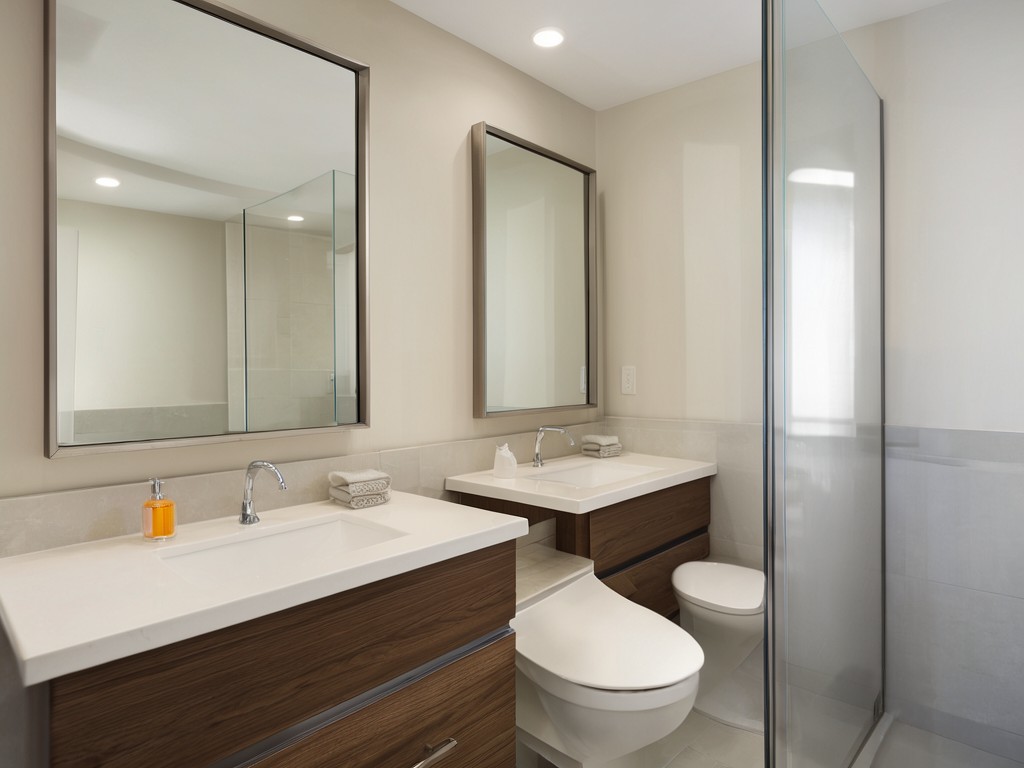
Keep one approved reference: record glass thickness, overall dimensions, edge finish, backing, hardware and finish sample together. A change to any one of these can affect weight, appearance, fit or carton protection.
Usage Scenarios and Buyer Segments
Retail buyers supplying residential vanity ranges usually need consistent dimensions and finish across coordinated sizes, with clear carton identification for stockroom handling. Private-label buyers also need packaging artwork, mounting instructions and the approved product configuration to remain linked to each reorder.
For apartment projects and multi-unit refurbishments, installers may fit many mirrors in one visit. Matching hole positions, hardware and edge details reduce site adjustments; a small dimension or finish drift across cartons can become conspicuous once mirrors sit side by side. Guest bathrooms and frequently used household vanities also expose the product to repeated cleaning and humid air, so installation guidance should discourage standing water at edges and harsh abrasive cleaning.
Inspection Items and Test Methods
Use the signed drawing and approved sample as the lot reference. Set acceptance limits before production, then inspect samples from each lot for dimensional drift, mirror appearance, coating condition and pack protection. A factory check can identify variation; it does not replace safe installation or the buyer’s own applicable requirements.
| Parameter or inspection item | Typical option or factory check | Acceptance basis |
|---|---|---|
| Common rectangular sizes | Examples include 400 × 600 mm, 500 × 700 mm and 600 × 800 mm; custom sizes by drawing | Approved cut-size drawing and agreed dimensional tolerance. |
| Glass thickness and weight | Thickness commonly selected by size and mounting design; record actual unit weight for the approved build. | Check thickness and sample weight against the purchase specification; include hardware where specified. |
| Materials and construction | Float glass, reflective coating, protective backing paint, optional safety film and specified mounting parts | Match the bill of materials and approved first article. |
| Surface and image appearance | Visual inspection under agreed lighting; check for visible spots, scratches, distortion and coating defects. | Compare to the approved sample and the agreed defect limits. |
| Edges, backing and pack | Inspect edge finish, backing coverage, protective separators and carton fit; use a controlled handling or transit simulation if agreed. | No unacceptable chips or damage against the agreed sample criteria; packaging must protect the mirror in the planned shipping configuration. |
For coating resistance checks, agree the exposure method and evaluation criteria before the run; do not treat an informal humidity check as a universal pass standard. Record lot number, inspection date, measured dimensions and any approved deviation so the next reorder can be compared with the same evidence.
Volume Planning and Lead Time
Lead time depends on glass availability, finish selection, hardware sourcing, artwork approval and carton development. A standard size with an existing pack format usually needs fewer setup steps than a new cut size with custom brackets, printed cartons or a new protective insert.
Plan the first order around sample approval and packaging validation, then keep the approved drawing, material list and carton specification unchanged for repeat lots. Consolidating sizes may improve purchasing efficiency, but each size still needs its own dimensional and weight reference; one shared tolerance or carton layout can create avoidable damage and inventory errors.
Before confirming a production slot, align forecast quantity with the supplier on glass sourcing, first-article timing, carton approval and shipment configuration. Keep a retained sample from the approved lot as the visual reference for later replenishment.
Review the First Article Before Reordering
Share the size drawing, edge details, backing choice, mounting layout and carton requirements for a tooling and production review. Confirm the reference sample and inspection limits before the order moves into repeat production.