Specifying top quality rectangular decorative gold framed bathroom mirrors wholesale for Wholesale and OEM Orders
During a private-label launch with a fixed ship date, a mirror that passes the sample review can still create trouble if frame colour shifts or cartons arrive with chipped corners. Bathroom humidity and repeated cleaning put the frame finish, mirror backing and protective packaging under different kinds of stress. For a controlled launch, approve the exact glass, gold finish and pack-out together before confirming the order.
How It Is Built and What That Changes
| Frame construction | Finish route | Buyer trade-off | Use and care considerations |
|---|---|---|---|
| Aluminum profile, cut and joined at the corners | Gold anodized surface | Lower frame weight and a cost-conscious route for repeat retail orders; the profile shape and corner joint affect the finished appearance. | Specify cleaning with a soft cloth. Abrasive pads can mark the finish, and prolonged direct sun may alter its appearance over time. |
| Stainless steel frame components | Gold-tone PVD coating | Typically a higher material and finish cost; consider it where a metal frame feel and surface wear resistance carry more retail value. | Confirm compatibility with the cleaning products used at the destination. Chlorine-bearing cleaners and scouring compounds can damage finishes if left on the surface. |
The mirror assembly starts with cut glass, finished edges and a reflective coating protected by backing paint; a safety film can be added to the rear when the order calls for it. Frame profiles are cut to the approved dimensions, joined at the corners and fixed around the glass with suitable supports or mirror-compatible adhesive. Keep acidic sealants away from the mirror backing, since contact at an exposed edge can lead to dark spots or coating damage.
Glass flatness and frame support both affect the reflected image. A large rectangle needs enough rear support to limit movement during handling, while the frame joint must stay square enough to avoid uneven reveal around the glass. Approve a production-representative sample if the frame profile, corner detail or mirror size changes the visual balance.
How to Choose Before Requesting a Quote
Retail price targets depend on more than the mirror’s face size. A narrow aluminum frame can reduce freight weight, while a deeper decorative profile uses more material and may need additional protection at the corners. Set the product’s intended bathroom conditions first: a domestic vanity with routine wiping has a different cleaning burden from a shared washroom where staff use stronger products and clean more often.
Before requesting a quotation, align the order brief around the choices that change cost or acceptance:
- Finished outside dimensions, glass dimensions and the required frame width or depth.
- Glass thickness, edge finish, backing protection and whether rear safety film is required.
- Gold shade and sheen, with a physical finish sample for colour approval where appearance must match other bathroom fittings.
- Mounting method, hanging orientation, retail labelling and carton protection for the destination channel.
- Expected order quantity and repeat-order pattern, so profile purchasing and packaging choices suit the launch and replenishment plan.
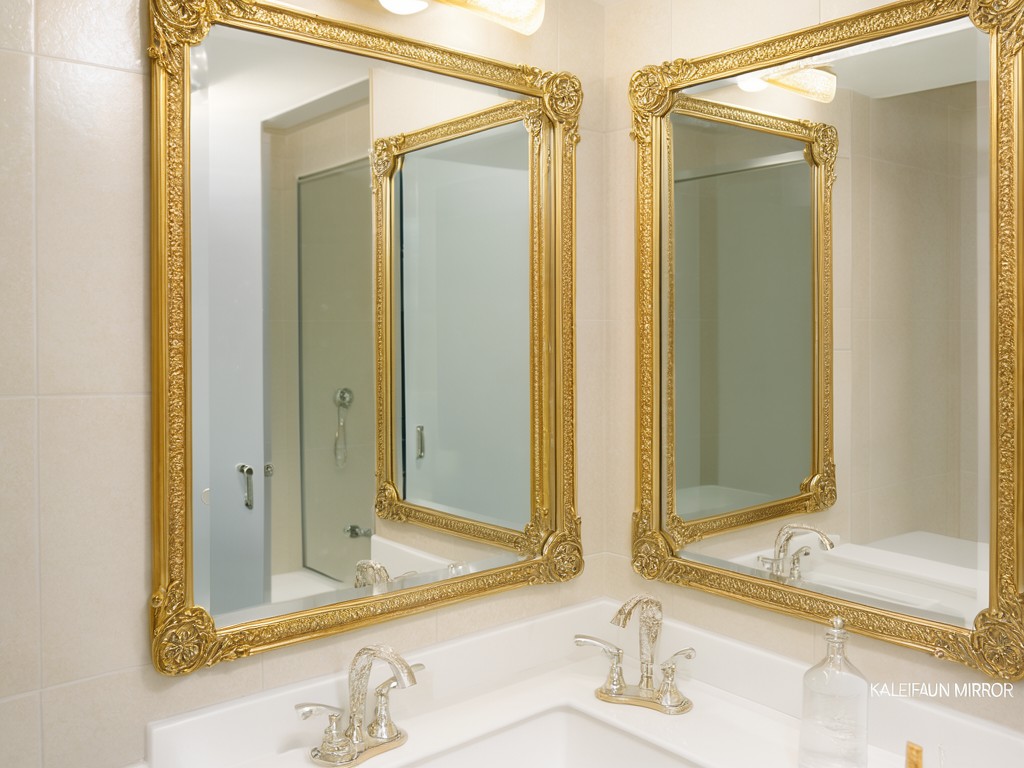
If the mirror is intended for a gym or pool-side changing-room vanity, include frequent wiping, hand contact and possible chlorine residue in the finish review. Sweat and skin oils can transfer from hands to the frame; routine cleaning should remove them without a scouring pad. For a sunlit bathroom, request a finish sample and assess it under the expected exposure rather than relying on a catalogue image.
Customisation Options and Their Limits
Custom frame dimensions, corner treatments, gold tones, logos and retail packaging can support a private-label range, but each change has a different approval cost. A new profile may require tooling or a separate production setup; a colour adjustment may require finish sampling and approval. Keep changes to the glass and frame geometry limited after the sample sign-off if the ship date is fixed.
Finish and Frame Changes
A stock aluminum profile with an established gold anodized finish is usually the simpler route for cost control and repeat ordering. A custom profile, alternative metal or PVD finish adds material and process variables; confirm the target shade, sheen and corner appearance on a sample before bulk approval.
Decorative finishes have limits: strong cleaners, abrasive sponges and prolonged chemical contact can mark or discolour a surface. Provide care guidance suited to the selected finish rather than promising that every gold treatment tolerates every bathroom cleaner.
Glass, Branding and Pack-Out
Glass size, edge treatment, rear film and mounting hardware can be specified for the market’s installation needs. Logo placement and printed cartons need approved artwork, legible product details and enough clearance from protective inserts to avoid scuffing during transit.
A carton designed for parcel handling may differ from one intended for palletised container freight. Confirm the route and stacking plan before finalising the packaging sample; a finish or insert change after approval can require a fresh pack-out check.
Artwork, mounting instructions and carton marks should be frozen alongside the product sample. That decision reduces late-stage changes that can hold up label approval or force a repack before dispatch.
How Consistency Is Held Across Batches
Gold tone can shift between finish lots, and slight differences are easy to see when several mirrors hang side by side. The approved sample should identify the frame material, finish route, shade and sheen, not just the product dimensions. Keep a retained reference sample for comparison when the next batch uses newly processed material.
Batch control rule: Check finished dimensions, squareness, frame joints, visible finish and mirror surface against the approved sample. Inspect rear coating edges and attachment points for damage before packing; corner impact or carton movement can turn a sound assembly into a retail rejection.
Factory checks can include dimensional measurement, visual inspection under consistent lighting, frame-joint review and a check for image distortion or visible coating defects. Packaging review should also confirm that protective separators keep the frame from rubbing against the mirror face and that corner guards remain in place after carton closure. Agree the inspection points and acceptable appearance limits before production starts.
Stock Availability and Reorder Planning
Availability depends on the chosen glass size, frame profile, finish route and packaging configuration. Standard profile and finish combinations can be easier to replenish than a custom extrusion or a specially matched gold shade, but stock status must be checked against the requested quantity and order window. A retail launch with a firm booking date benefits from early sample approval and a confirmed material plan, not an assumed replenishment date.
For repeat orders, retain the approved reference details and request confirmation of finish availability before the reorder is released. Forecasting the next batch also gives the factory a chance to align glass, frame components and cartons, which reduces the risk of a part arriving after the rest of the order is ready. If the range requires a shade match across separate purchase orders, state that requirement in the quotation review.
Review the Quotation Against the Launch Plan
Send the target dimensions, approved finish reference, quantity, destination and carton requirements for a quotation review. The product team can then identify which selections use established components and which require fresh sampling or production planning.
Request a quotation review before artwork and bulk specifications are released.