Wholesale gold rectangle bathroom wall mirror Suppliers: What Buyers Should Check Before Ordering
The Problem Buyers Keep Paying For
| Finish option | Bathroom-use consideration | Buyer trade-off |
|---|---|---|
| Powder-coated gold | Finish performance depends on pretreatment, coating coverage at corners, and the cleaning products used. | Often suits price-led ranges; confirm colour and gloss against an approved sample. |
| Anodized aluminum in a gold tone | The appearance is tied to the aluminum surface and process; exposed cut edges and corner joints still need review. | Can provide a consistent metallic look, subject to alloy and batch control. |
| Electroplated gold-tone metal | Chips or thin coverage can expose the base metal, especially at edges and handling points. | May suit a specific bright metallic appearance; request finish details and a production sample. |
Repeat cleaning exposes weak points first: frame corners, joints, glass edges, and the rear coating near the perimeter. A mirror can pass a quick visual check yet develop edge darkening or finish wear after moisture sits behind the frame. For a second source, compare the actual frame material and finish route, not just the gold colour name on a quotation.
Poolside washrooms add chlorine residue; gym changing rooms add sweat and frequent wipe-downs. Direct sun through a window can also shift the perceived tone of nearby finishes. Ask the supplier to identify the intended cleaning limits and to keep a retained colour reference for repeat orders.
What the Design Has to Balance
The limiting factor is rarely the headline specification. A larger rectangle changes the mirror’s mass, the leverage on its wall fixings, and the chance of glass flex during handling. A narrow frame saves visual space, but leaves less material for a concealed fixing or a rigid corner connection. Confirm finished dimensions, frame depth, glass thickness, and mounting position as one coordinated drawing.
Specify the wall type and installation method before approving the rear hardware. A fixing arrangement suited to masonry may not transfer directly to a hollow partition; the installer must use anchors appropriate to the substrate and mirror load.
Glass clarity and a comfortable viewing position matter as much as the frame. Uneven wall contact can twist a large mirror and make reflections appear distorted, even when the glass itself is within the agreed flatness tolerance. The buyer should set appearance criteria under consistent viewing conditions, including acceptable edge blemishes and colour variation.
Construction Method and Its Effect on Consistency
Fatigue appears at the stress concentration: commonly a frame corner, a hanger connection, or a point where the glass bears against metal. A typical build uses cut and edge-finished mirror glass, a protective rear coating, and a formed metal frame assembled around the glass. The exact glass build, backing, and frame alloy should be stated on the order because they affect weight, edge protection, and the way the unit tolerates bathroom humidity.
Aluminum Frame
Lower frame mass can simplify handling and reduce load on the wall hardware. Check corner fit, coating coverage, and the rigidity of the profile at the specified mirror size.
Steel Frame
A steel frame can provide a firm edge profile, but adds weight and makes corrosion protection at seams and cut edges especially important in damp rooms.
Adhesive selection also affects consistency. Adhesive that attacks the mirror backing can create spots or edge damage; a compatible product and controlled application pattern reduce that risk. Buyers qualifying a new factory should review a complete assembly sample, including the hanger, corner joins, protective backing, and packed unit, rather than approving a frame swatch alone.
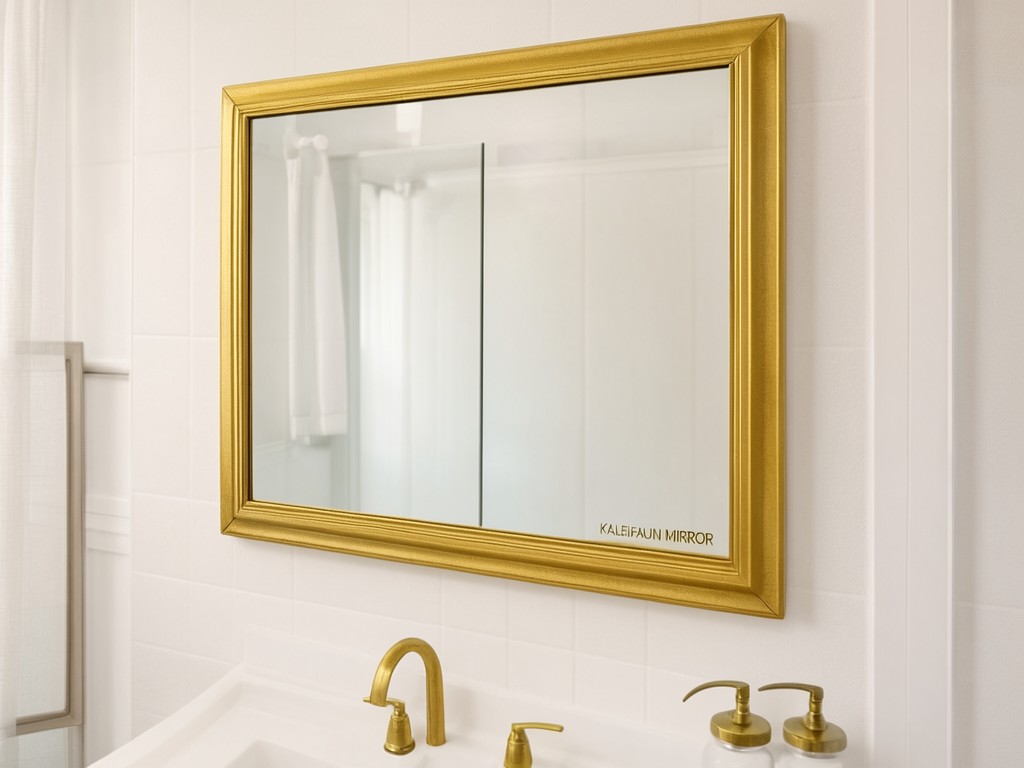
Matching the Product to the Buyer's Need
Retail buyers with a fixed shelf plan should lock the overall width, height, frame depth, and carton dimensions before price comparison. A small change to frame projection or corner construction can alter the visual proportion and the freight cube. For a hospitality project, prioritize mounting details, repeatable finish colour, and a replacement path for transit damage.
The second-source brief should distinguish fixed requirements from acceptable alternatives. If the original source uses one frame alloy, a substitute may still work, but it can change weight, finish appearance, and packaging needs. Keep a signed-off sample or controlled colour reference, plus the drawing revision, with the purchase specification.
| Order factor | What changes the commitment | Confirm before purchase order |
|---|---|---|
| MOQ | Custom dimensions, frame profile, finish, and individual packaging can each affect the minimum run. | Ask whether the quoted minimum applies per size, finish, or combined order. |
| Sample and production lead time | New tooling, finish approval, glass availability, and export packaging alter the schedule. | Request separate timing for sample approval, production, and dispatch; confirm the trigger date for each stage. |
| Repeat order | Colour references and retained drawings help limit differences between batches. | Agree how finish variation, substitutions, and packaging changes require buyer approval. |
Usage Scenarios and Buyer Segments
Residential bathroom ranges are judged by finish consistency, clear reflection, and how well the frame holds up to routine wiping. A retail buyer may accept a standard size and finish to keep the ticket price controlled, but should verify that the carton protects the corners and glass edges through parcel or pallet handling.
Hotels and serviced apartments need repeatable dimensions for room replacement and predictable wall fixing positions. Housekeeping chemicals and frequent cloth contact can wear a weak coating; set cleaning guidance that excludes abrasive pads and unapproved solvents. Fitness clubs and pool facilities face heavier wipe-down frequency, sweat, humidity, and occasional chlorine residue, so frame seams and rear-edge protection deserve extra attention.
Importers should also consider storage conditions after arrival. A carton left in a damp warehouse or exposed to direct sun may show damage that did not occur during manufacture. Batch identification on cartons supports investigation when a finish or breakage complaint appears after distribution.
Inspection Items and Test Methods
A useful inspection plan checks the assembled mirror, not just incoming glass or frame parts. Agree the sampling level and acceptance criteria with the supplier; do not treat a visual check as proof of long-term corrosion resistance.
- Measure overall width, height, frame depth, and hanger position against the approved drawing.
- Inspect reflection, glass edge finish, backing coverage, frame joins, and visible colour under consistent lighting.
- Check coating adhesion and surface condition on a representative finished sample using an agreed method appropriate to the finish.
- Use a humidity or damp-exposure assessment when the order is intended for wet rooms; review corrosion and edge changes after exposure.
- Assess packaging with handling checks suited to the shipment route, with particular attention to corner protection and glass movement inside the carton.
For a second-source approval, record sample results against the signed-off reference. Where cleaning chemicals are part of the intended service, test the specified products on the production finish sample before approving the range. This avoids making an unsupported promise about every cleaner or exposure condition.
Care, Storage and Service Life
Service life depends on room humidity, ventilation, installation, and cleaning practice. Wipe moisture from the glass edge and frame after heavy condensation; do not let cleaner pool at the perimeter or run behind the frame. A soft cloth and a cleaner approved for the chosen finish limit abrasion, while scouring pads and strong solvents can dull or breach the coating.
Store cartons upright or in the orientation marked by the supplier, on a dry level surface and away from direct sunlight. Do not stack beyond the carton’s stated limit. Before installation, inspect for glass cracks, corner impact, and frame distortion; a damaged unit should not be hung until the cause and extent are assessed.
For specification review, send the target dimensions, installation context, preferred gold finish, expected order mix, and packaging route. Discuss a second-source mirror specification before sample approval so finish, fixing, and carton requirements are assessed together.