Custom Decorative Circle Wall Mirror Factory: What Buyers Should Check Before Ordering
Process choice shows up later as circle diameter variation, edge finish and dispatch time. A typical conversion route starts with silvered mirror sheet, then cuts the circle, grinds and polishes the edge, and protects the exposed backing at the perimeter. That route avoids a separate glass-forming tool; the practical decision is whether the sheet, edgework, frame and packing specification suit the order volume and launch date.
Schedule check: approve the diameter, glass thickness, edge treatment, hanger position and carton protection on one production drawing. A late change to any of these can affect cutting yield, frame fit, sample approval and the ship date.
What This Product Is and Where It Fits
A decorative circle wall mirror is a flat glass mirror converted to a round format for home furnishings, hospitality interiors and retail collections. Buyers commonly specify a frameless polished edge or a slim surrounding frame, plus a hanging system suited to the intended wall and product weight.
For a coordinated retail launch, keep the diameter, frame finish and carton presentation consistent across the range. Decide early whether the mirror is intended for a dry living area, a humid bathroom or another demanding location; standard interior mirror backing should not be treated as an exterior specification.
How It Performs in Use
A circular mirror is judged by a clean reflection, an even perimeter and secure wall support. Humidity can attack an exposed or poorly protected backing edge; rough handling can chip the glass edge or crack the mirror before installation. The table links common order choices to the complaints they are meant to prevent.
| Room Condition or Use | Complaint to Prevent | Order Specification to Confirm |
|---|---|---|
| Bathroom or other humid interior | Dark spots or backing deterioration that begins at the perimeter | Mirror backing suited to the specified room, plus a sealed cut edge; confirm that the product is not represented as exterior-rated. |
| Frequent handling during retail replenishment | Edge chips, corner-like impact damage at the rim, or breakage in transit | Specify glass thickness, polished edge profile, edge protection and a carton design tested against the planned freight route. |
| Multi-size collection or repeated reorders | Diameter drift, inconsistent frame clearance or a hanger that sits off-centre | Approve a dimensioned drawing with diameter tolerance, frame allowance and hanger datum before the production run. |
Construction Method and Its Effect on Consistency
The build method decides where dimensional control enters the process. For this product family, a converter typically selects silvered mirror sheet, cuts the circle to the approved drawing, grinds and polishes the rim, then applies edge protection and fits the chosen hardware or frame. Keeping the diameter datum and hanger location tied to the same drawing reduces assembly variation across sizes and repeat orders.
A new diameter usually needs CNC program setup and a first-piece check rather than a forming die. That keeps initial tooling exposure lower than a molded product, but each size still affects sheet nesting and usable yield. Larger, repeated quantities can spread programming, setup and packing preparation across more units; small mixed-size orders may carry a higher unit cost and need more scheduling space between changeovers.
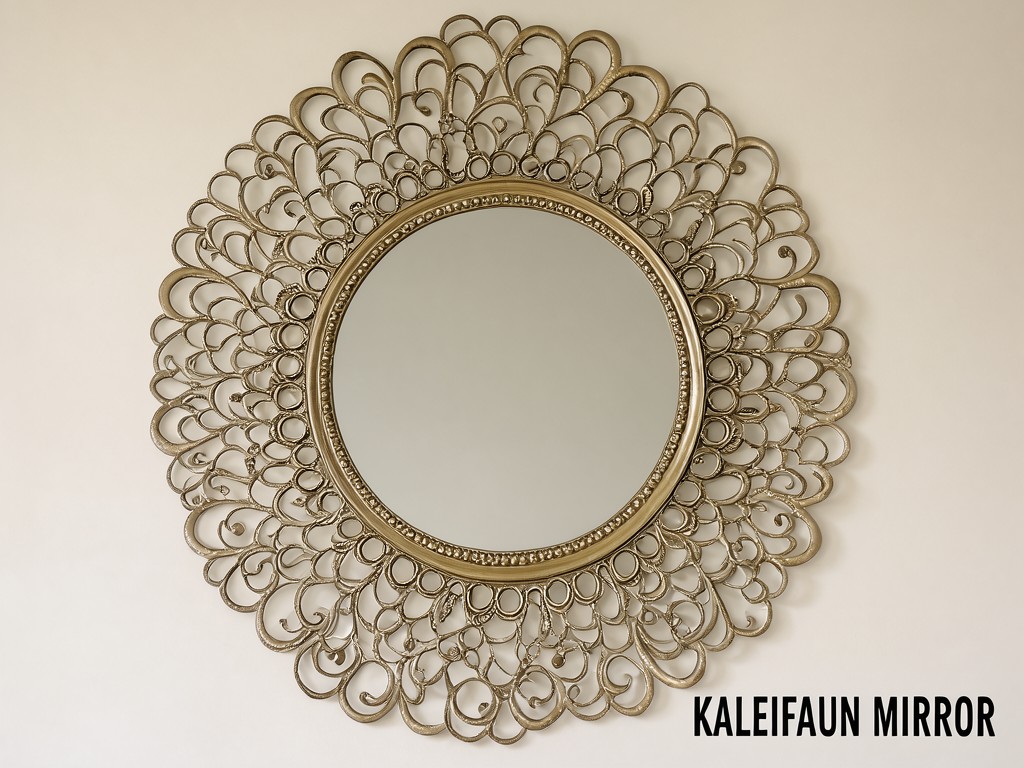
Date protection: request a sample cut from the intended mirror sheet and approve the finished edge, not just the nominal diameter. Confirm material availability, order mix, packaging approval and production slot before committing a retail launch date.
Comparing Two Standard Configurations
Frameless, Polished Edge
This option keeps the visual profile simple and avoids frame-finish matching. It suits collections where the exposed glass rim is part of the intended look. Edge polishing and perimeter protection need close approval, since there is no frame to cover a visible chip or uneven finish.
Slim-Framed
A metal or wood frame can protect the glass perimeter and give a collection a defined finish, but it adds material, assembly steps and fit checks. Confirm frame width, finish sample, glass clearance and hanger attachment; these choices can extend approval time and change the packed dimensions.
For either configuration, agree the intended wall fixing method and the responsibility for matching anchors to the installation surface. A mirror factory can specify the supplied hanger or bracket, but wall substrate and site installation conditions remain part of the buyer’s project requirements.
Quality Control and Batch Consistency
A useful inspection plan checks the finished article against the approved drawing and sample at the stages where defects can still be contained. For a launch order, define acceptable appearance, dimensions and packaging before production; do not leave those decisions until the final carton inspection.
- Measure circle diameter and check roundness at agreed points against the buyer’s drawing tolerance.
- Inspect the reflection for visible distortion, coating marks and blemishes under agreed viewing conditions.
- Check polished-edge continuity, backing condition and perimeter seal for chips, gaps or exposed areas.
- Verify frame finish, hanger position and attachment against the approved sample and assembly drawing.
- Review carton fit, edge protection, product identification and batch records before shipment.
For repeat orders, retain the approved reference sample and drawing revision. If the mirror sheet source, frame finish or backing specification changes, record the change and review its effect on appearance and lead time before releasing production.
Care, Storage and Service Life
Store cartons upright or in the orientation stated on the packaging, on a dry, level surface with edge protection intact. Avoid damp storage and temperature swings that can create condensation at the mirror backing. Keep the product away from direct contact with wet building materials before installation.
For care instructions, use a soft cloth and a cleaner approved for mirror surfaces; do not allow liquid to pool along the rim or run behind the glass. Buyers placing the mirror in a bathroom should specify the room conditions and backing requirements before order confirmation. Standard decorative mirror construction is intended for interior use, not direct rain or prolonged outdoor exposure.
Review a Quotation Against the Launch Plan
Send the target diameter and tolerance, glass thickness, edge or frame choice, room conditions, hanger details, order mix, packaging needs and required ship date. A quotation review can then separate material cost, setup and yield effects, sample timing and production capacity before you approve the order.
Request a quotation review with your drawing or reference sample details.