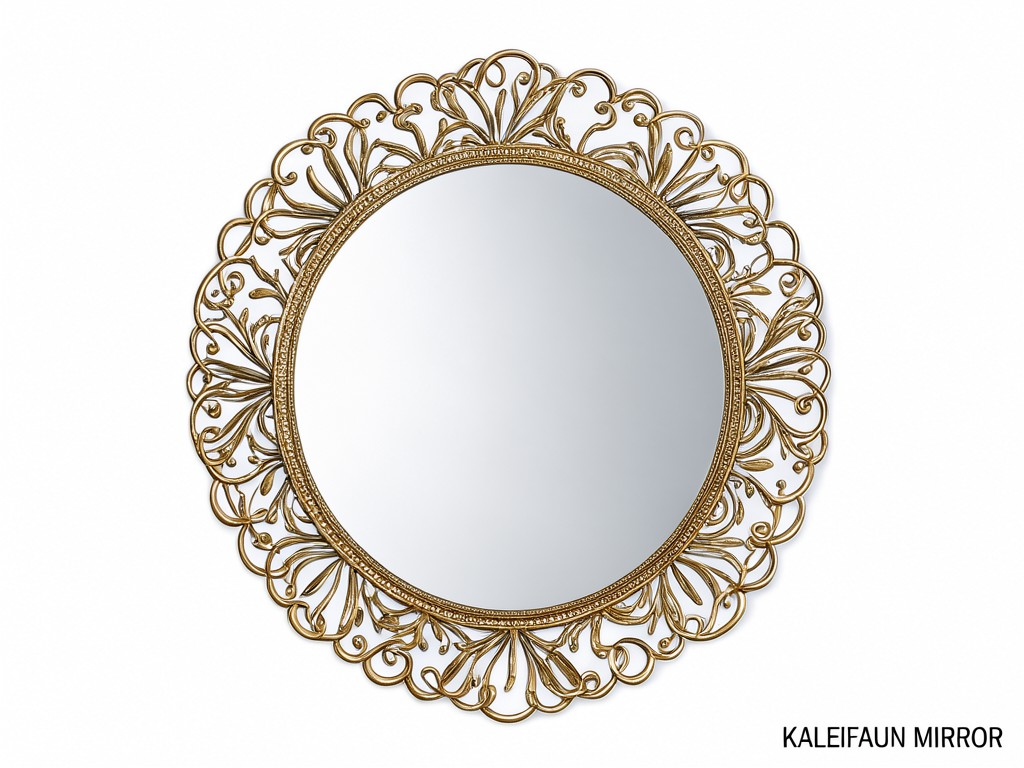
Specifying Customized Large Decorative Round Mirror Wholesale for Wholesale and OEM Orders
For a large round mirror, the lower-cost choice is worthwhile only if glass flatness, edge finish, backing, mounting details and export protection match the approved sample. Agree those points in the drawing and approval record before production; otherwise, unit savings can be lost to transit breakage, visual complaints and repeat-order variation.
Total cost of ownership shifts once returns are counted. A few rejected pieces can erase the saving from a cheaper glass or carton specification, particularly when the mirror is large enough for small edge defects or image distortion to stand out in a customer’s room. For importers and wholesale buyers, the purchase decision should account for the accepted sample, inspection limits and packaging configuration—not just the quoted price per piece.
Where Cheaper Alternatives Fall Short
Cheaper stock options fail at the worst point in the season: after replenishment arrives, when the same item is expected to match the first shipment. A different glass source, polishing setup or frame fixture can shift the reflected image, visible edge, or fit between mirror and frame. If a buyer has not defined those limits against a retained sample, a supplier may regard the variation as acceptable while the retailer sees a mismatch.
Replacement rate, not unit price, is the useful comparison. A thin protective carton may lower freight volume but leave the glass vulnerable to corner impact at the rim; inconsistent edge grinding can also create chips that appear only after unpacking. The table separates the cost-saving route from the production controls that reduce avoidable claims.
| Comparison point | Lower-cost stock route | Controlled wholesale/OEM route |
|---|---|---|
| Repeat-order appearance | Dimensions and finish may follow the current stock batch. | A signed drawing and approved reference sample set the production target. |
| Edge and frame fit | A general-purpose cut or frame can leave uneven reveal or exposed edge. | Cutting and frame dimensions are checked against the agreed profile and tolerance. |
| Transit exposure | Standard packing may not account for the mirror’s diameter, weight or route. | The pack is reviewed for edge support, face separation and the intended freight mode. |
How It Performs in Use
On a large wall-mounted mirror, reflected-image consistency depends on more than the reflective coating. Glass flatness, thickness, support points and wall installation all affect what the user sees. A bowed wall or uneven mounting pressure can distort the reflection even when the glass passed factory inspection, so installation guidance and mounting hardware need to suit the mirror’s size and frame construction.
The factory process typically starts with a glass sheet, followed by circular cutting, edge grinding or polishing, mirror coating and protective backing layers. Any frame, hanging plates or other fittings are then assembled to the approved design. At each stage, a controlled drawing matters: the glass diameter determines frame fit, while the position of hanging hardware determines how the mirror sits on the wall.
For a repeat order, keep the approved artwork, dimensioned drawing, finish references and signed sample record together. If the frame colour, logo placement, backing film or hardware changes, document the revision and approve a new sample where the change affects appearance or fit. That record gives both parties a clear basis for production checks and claim review.
Materials and Construction Trade-offs
Glass thickness, edge treatment, frame material and rear protection all affect landed cost, weight and handling risk. A heavier build can feel more substantial but increases demands on the hanging system and export carton. A slim frame can reduce visual bulk, yet leaves less room to conceal small differences between the glass edge and frame opening. Set the priorities in the drawing before quotation approval.
| Construction choice | Buyer benefit | Cost or control point |
|---|---|---|
| Silvered mirror glass with a specified edge finish | Provides the familiar reflective appearance used in decorative wall mirrors. | Coating coverage and edge condition need consistent visual inspection; polishing level affects cost. |
| Framed construction in metal or wood | Hides the glass edge and creates a defined retail finish. | Material, finish, corner joints and opening dimensions add separate sources of variation. |
| Rear safety film or protective backing, where specified | Can help retain fragments if the glass breaks, subject to the selected film and application. | Adds material and application controls; it does not replace suitable mounting or careful handling. |
A bare-edge design may cost less than a framed model, but its edge polish becomes a visible part of the product and needs an agreed finish sample. For framed versions, confirm whether the glass sits flush, recessed or behind a lip; each arrangement changes the usable opening and the way small fit differences appear.
Assumptions Buyers Should Stop Making
A matching product name does not mean matching dimensions, reflection or frame finish. “Large round mirror” is not a production specification: the order needs a diameter, glass thickness, edge detail, frame profile, hanging arrangement and tolerance agreed in writing. If artwork includes a logo or label, provide a dimensioned placement file and approve its position on the actual product or a representative sample.
Another common assumption is that a first sample automatically represents every later batch. Sample approval should identify the materials and finishes used, and the supplier should confirm before production if any source or process changes. A tolerance also needs a measurement reference: define where diameter is measured, how frame dimensions are checked, and which visible defects count as a rejection rather than leaving those decisions to an incoming inspection dispute.
Requirements by Buyer Segment
Brand product managers need a repeatable appearance across the range, with artwork, frame finish and pack presentation locked before the first bulk run. A signed sample, controlled drawing and clear revision record help the next order match the product already shown in catalogues or online listings.
Importers and wholesale buyers tend to carry the cost of breakage, missing fittings and inconsistent carton labelling. Their order file should state the destination market’s labelling needs, carton marks, accessory count and packing configuration. Freight protection should be reviewed against the mirror diameter and shipping route; a carton approved for local handling may not suit palletized export transit.
For either buyer group, agree what triggers reapproval. A change to glass source, backing, frame finish, hanging hardware or packing can alter appearance or risk, even when the product code remains the same. Written change control prevents an unreviewed substitution from reaching a repeat order.
Inspection Items and Test Methods
Inspection should follow the approved drawing and sample, with checks chosen for the actual construction. Measure the outside diameter and frame dimensions at defined points; compare the finished piece with the agreed limits rather than relying on visual estimation. Check the edge for chips, rough areas and inconsistent polish, then inspect the mirror face and coating under consistent lighting for visible marks or coverage defects.
A reflected grid or straight-line target can reveal distortion across the face. Check hanging hardware position and attachment against the drawing, and verify that the specified accessories are present. For packing approval, inspect edge protection, face separation and carton closure; route-specific handling trials can expose weak points, but should be agreed in advance and interpreted against the actual shipping method.
Record the sample reference, drawing revision, inspection method and disposition for each production lot. If a defect is found, photographs with a scale and a clear view of the affected area make supplier review more useful than a general claim of “poor finish.”
Questions Buyers Ask Before Ordering
What should be approved before bulk production?
Approve a dimensioned drawing, material and finish details, artwork placement, tolerance references, hanging hardware and export pack. For appearance-sensitive finishes, retain a signed sample or an agreed reference set with the order record.
How do customization and order quantity affect lead time?
A stock glass size with a standard frame usually needs fewer setup and approval steps than a new diameter, frame profile, finish or branded pack. Confirm the minimum order quantity and schedule after the drawing and sample scope are set, since extra sample rounds or special materials can change the production plan.
Can an existing sample be used for a repeat order?
Yes, if the supplier can confirm the same materials, construction and process remain available. Reconfirm the drawing revision and any finish or hardware changes before release; a sample alone may not record hidden construction details or the agreed tolerances.
Before committing to a repeat order, request a tooling and process review against your drawing, approved sample and export pack. Contact our team to review the specification and production setup.