Specifying Customized round decorative wall accent mirrors for bedroom Suppliers for Wholesale and OEM Orders
When a brand extends an existing bedroom range, a round accent mirror has to match the approved sample in diameter, frame finish and hanging position—not just in the catalogue image. A mismatch across cartons can make a coordinated retail display look like mixed stock, while a chipped edge or poorly protected backing can turn a launch shipment into returns.
For wholesale and OEM orders, lock the finished outside diameter, visible mirror area, frame profile, hardware and pack-out before confirming the production schedule. Those decisions guide glass cutting, edge finishing, frame assembly and the protective packaging needed for export.
Buying Mistakes That Lead to Returns
Returns often begin with dimensions that were specified in different ways. A buyer may approve the mirror glass diameter while the retail listing uses the overall frame diameter; the resulting discrepancy is visible on the wall and can disrupt coordinated furniture layouts. Define both measurements on the drawing, along with the frame’s maximum projection from the wall.
- Approve a physical finish sample under neutral light. A warm metallic frame can read differently from a printed reference, and finish variation between production lots can be obvious when mirrors hang side by side.
- Specify the intended wall fixing and its position. A keyhole plate, D-ring or other hanger changes installation clearance and may alter how the mirror sits against the wall.
- Check the visible edge and reflection in the approved sample. Poor edge work, glass distortion or a frame that does not sit evenly can prompt complaints even when the outer diameter is correct.
- Review the packed unit, not only the assembled mirror. Glass-to-frame contact, inadequate corner protection or movement inside the carton can lead to edge chips and breakage in transit.
Who Uses It and Where It Matters
| Usage level | Typical setting and use | Specification points to confirm | Main trade-off |
|---|---|---|---|
| Residential bedroom | A single mirror above a dresser or beside a wardrobe, with occasional repositioning during room updates. | Finished diameter, frame profile and finish, hanging hardware, and carton protection for parcel or pallet handling. | A lighter frame can reduce freight weight; the hanger and frame still need to suit the mirror’s finished mass and intended wall fixing. |
| Frequent-turnover guest room | Multiple rooms use the same model; housekeeping and room refreshes can expose the frame and mounting hardware to repeated handling. | Consistent outside diameter, repeatable frame colour, secure hardware attachment and replaceable fixing components. | A more substantial frame or more serviceable hanger may cost more per unit, but can simplify room-by-room replacement and keep the range visually consistent. |
| Retail display and replenishment | A buyer presents several units together and replenishes the same colourway over multiple orders. | Approved finish reference, carton labelling, lot identification and a defined tolerance for finished dimensions. | Tighter finish and dimension controls reduce visible drift between replenishment lots; custom frame finishes may require longer scheduling than established options. |
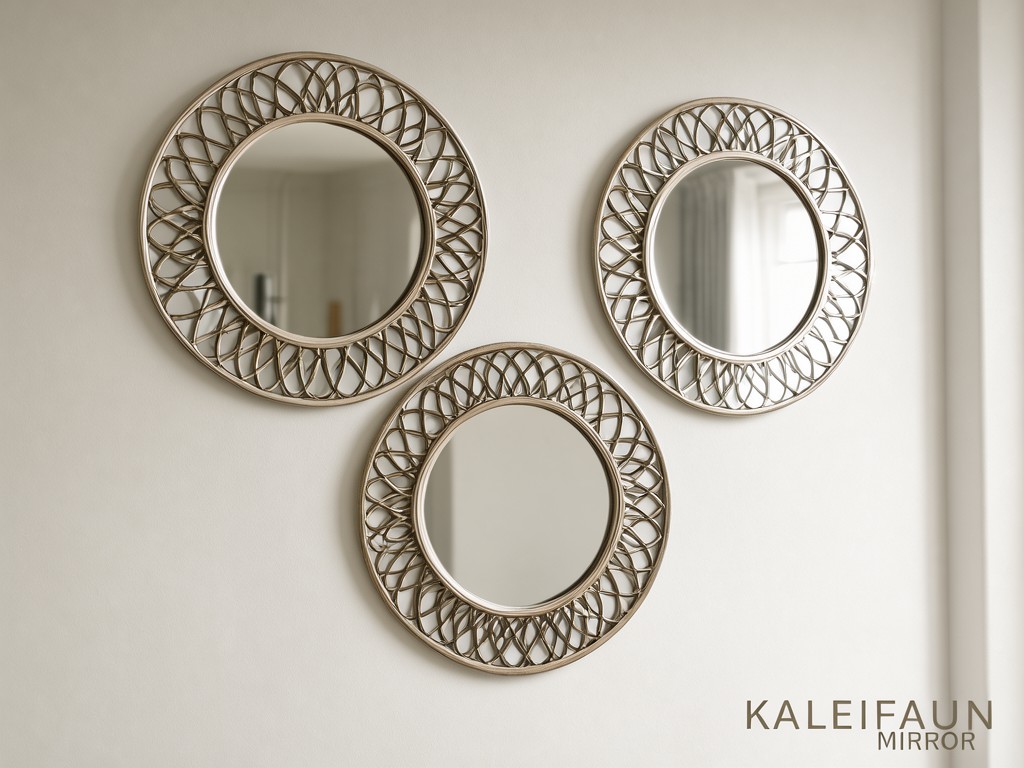
Round decorative mirrors are generally intended for dry interior rooms. A bedroom beside an exterior wall may still experience condensation or damp conditions; confirm the location before selecting backing and frame details, and do not treat an indoor model as suitable for outdoor exposure or a persistently wet area.
How Consistency Is Held Across Batches
Set the reference before production: the approved sample and drawing should identify the finished outside diameter, glass diameter, frame profile, finish reference, hanger location and pack-out. A single controlled reference gives incoming and final inspection the same basis for comparison.
Keep the visible variables measurable: check diameter and roundness, inspect edge finishing and frame joints, compare the finish with the signed sample, and verify that hardware sits in the specified position. A mirror that meets the glass measurement but has a different frame projection can still appear inconsistent on a retail wall.
The usual construction route starts with round glass cutting, followed by edge grinding or polishing, mirror coating and protective backing layers. The glass thickness and frame construction affect finished weight, so the hanger and fixing arrangement should be checked against the completed unit rather than selected from the glass size alone. Final inspection can include dimensional checks, visual review of the reflection and coating, hardware attachment checks, and a packed-carton review.
Batch records should connect the approved finish sample, production lot and carton labels. That trace lets a buyer identify whether a colour difference or damage pattern is isolated to one lot, rather than treating every reorder as a new specification discussion.
Keeping Repeat Orders Supplied
Established size and finish
A repeat model with agreed glass size, frame components and finish references is easier to schedule against a launch date. Confirm component availability and reserve production capacity against the purchase order; do not assume a previous lot’s timing guarantees the next slot.
New diameter or frame finish
A changed size or finish can affect glass yield, frame preparation, sample approval and carton fit. Freeze artwork, product dimensions and packaging requirements early, then agree the production and inspection milestones before fixing the ship date.
For a launch tied to a retail calendar, align sample sign-off, packaging approval, production completion and freight booking as separate checkpoints. If a component or finish is not confirmed, the schedule has less room to absorb a correction without affecting dispatch.
Care, Storage and Service Life
- Store cartons upright or in the orientation marked on the approved pack plan, on a dry, level surface. Keep them away from standing water and large temperature swings that can encourage condensation around the mirror backing.
- Use a soft, clean cloth on the glass and keep liquid cleaner away from the frame joints and mirror edges. Liquid that reaches the backing or unprotected edge can contribute to coating deterioration over time.
- Inspect the hanger and fasteners during installation or room refresh. Replace damaged mounting parts with compatible hardware; do not hang a mirror from a loose fitting or rely on adhesive unless the product design specifically calls for it.
- For a service claim, retain the carton label and lot details, then photograph the mirror edge, backing, frame joint and hanger. Those records help distinguish transit impact from a finish or assembly issue.
Service life depends on installation, room humidity and care. Dry bedroom use with protected edges is a different condition from a damp wall or repeated cleaner exposure; specify the intended placement so the construction and care guidance match the room.
Discuss your launch schedule and repeat-order plan. Share the target diameter, frame finish, estimated order quantity, packaging needs and required ship window so the sample, production and freight milestones can be reviewed together.