factory direct large circle mirrors for living room wall suppliers - Bulk Supply and Specification Guide
What This Product Is and Where It Fits
| Specification | Typical supply options | Approval point |
|---|---|---|
| Overall diameter | Common project sizes run from about 600 to 1,200 mm; other diameters are subject to glass and packing review. | Confirm finished diameter and allowable variation on the approved drawing. |
| Glass thickness | 4, 5, or 6 mm, subject to size, mounting method, and handling requirements. | Approve the thickness against mirror weight and intended wall fixings. |
| Edge finish | Ground and polished edge; edge profile is agreed before the production run. | Check the physical sample for edge appearance and handling feel. |
| Backing and mounting | Reflective backing with protective paint; safety film and mounting hardware can be specified. | Confirm backing, hardware position, and packaging configuration before sign-off. |
Consistency depends on a shared drawing for diameter, thickness, edge finish, and mounting points. These factory-direct products are round glass mirrors for living rooms, furniture retailers, interior projects, and home-furnishing distributors; they are not sports or academy equipment. Production generally uses cut glass, a ground and polished perimeter, a reflective coating with protective backing paint, and the agreed mounting or safety-film options.
For a second-source qualification, compare the physical sample with the drawing and retain the approved reference for later orders. A supplier change can alter edge polish, reflection appearance, or hardware position even when the nominal diameter matches.
Where Cheaper Alternatives Fall Short
A lower quote may reflect thinner glass, less controlled edge work, a simplified backing system, or lighter export protection. Those choices can reduce the unit price, but they also leave less margin for handling and installation. An edge chip, coating mark, or mirror that arrives with a damaged corner can turn the apparent saving into a replacement, claim, or delayed room installation.
Ask suppliers to price the same approved drawing, sample, and packing method. Compare the landed cost per saleable mirror, not just the ex-works figure; carton protection and breakage allowance matter for a large circular format because the perimeter is exposed during packing and transit.
What the Design Has to Balance
Balance and load analysis shows why diameter cannot be approved separately from thickness and mounting. A larger mirror presents more area to handle and adds weight as thickness rises; the wall substrate and selected fixings must carry the finished assembly. Thicker glass can feel less flexible during handling, but it adds mass and freight cost. Choose the lightest specification that suits the size, support method, and buyer’s handling requirements.
Drawing control: Fix the finished diameter, glass thickness, edge profile, backing, hardware positions, and packaging in one revision-controlled specification. Do not release mass production until the sample and drawing agree.
Artwork is usually limited to labels, cartons, or branded inserts rather than the reflective face. Approve print files, carton marks, and any private-label wording separately from the mirror sample so a late packaging change does not obscure a product specification change.
What Actually Determines Performance
Deflection under load governs how the mirror should be handled and supported. Glass thickness, diameter, and the spacing or type of wall supports affect how much the panel can flex during lifting and installation. A mirror is not a structural wall component; use fixings suited to the actual wall material and keep the panel supported as specified by the installation plan.
Factory checks can cover finished diameter, thickness, edge condition, backing appearance, hardware position, and carton condition. Sample approval should also include a visual check for distortion or reflective defects under consistent viewing conditions. Define acceptance criteria before the order, since subjective terms such as “clear reflection” alone do not settle a borderline inspection.
Where This Product Beats Standard Alternatives
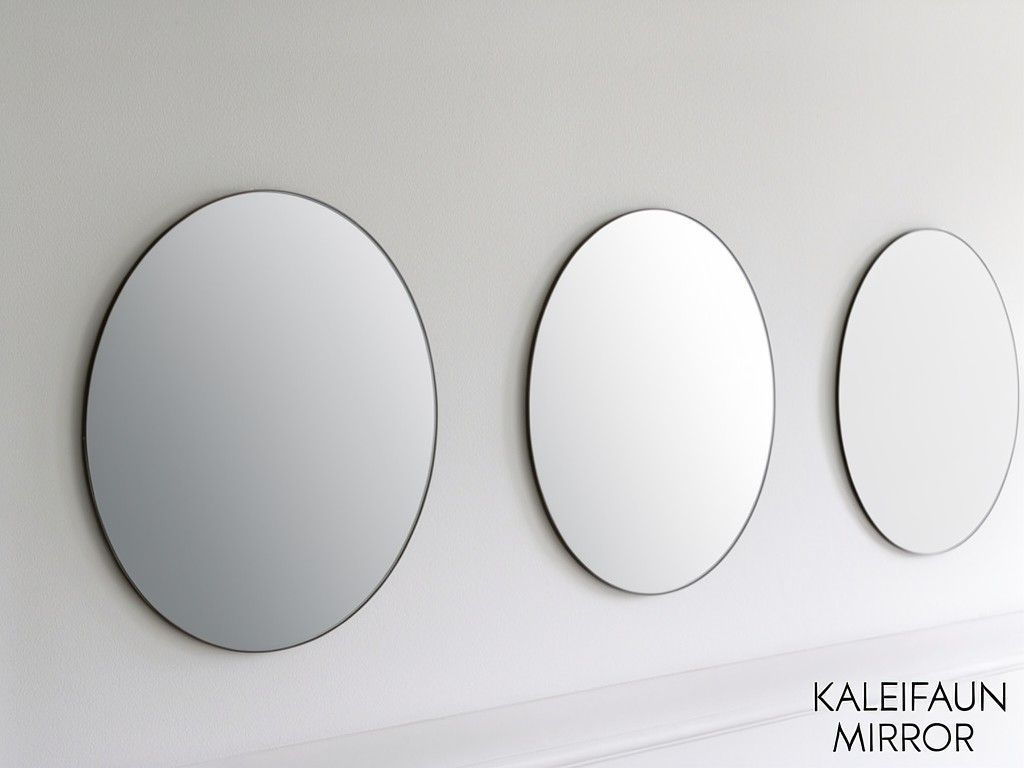
A large circle gives retailers and interior buyers a distinct wall format without a custom frame profile. Against rectangular mirrors, the round perimeter changes the visual layout and removes corner geometry, while the core trade-off remains glass area, finished weight, and packing protection. The best fit is a room plan that calls for a single focal mirror and has enough wall support for the selected size.
Compared with a framed mirror
A frameless circular design avoids frame material and frame-finish coordination. Buyers should still specify polished edges and suitable mounting hardware; the exposed perimeter needs careful packing and handling.
Compared with a smaller round mirror
The larger face serves broader wall compositions, but it needs more careful carton design and a verified installation method. Choose the diameter from the room layout and delivery route, not from display appeal alone.
Comparing Two Standard Configurations
The choice between 4 mm and 5 mm glass is a cost, mass, and handling decision, not a substitute for confirming wall support. Compare both options at the intended diameter and with the same mounting plan before locking the purchase specification.
| Configuration | Trade-off | Suitable buying condition |
|---|---|---|
| 4 mm glass | Lower material mass and usually lower unit and freight cost; requires careful handling and a compatible support plan. | Projects where the diameter, packaging, and wall fixings are approved for this thickness. |
| 5 mm glass | Adds mass and cost; the extra thickness can provide a less flexible panel during handling, subject to diameter and support conditions. | Orders where the buyer accepts added weight and the mounting specification accounts for it. |
Segment-Specific Requirements
Home-furnishing distributors often need a stable set of diameters, repeatable carton labels, and mixed-SKU shipment planning. Agree on carton dimensions and stacking limits early, because large round panels can leave unused space in standard rectangular cartons. Retailers and interior fit-out buyers may need a specific hanging arrangement or private-label packaging; confirm hardware placement and artwork before sample approval.
For hospitality or multi-unit residential projects, match the approved sample and drawing across the full order. A documented inspection plan for diameter, visible edge condition, backing, and packaging gives the buyer a consistent basis for incoming checks and repeat orders.
Volume Planning and Lead Time
Lead time depends on glass availability, diameter mix, coating and finishing capacity, sample approval, and export packing. Custom dimensions or new carton artwork add review steps; a repeat order can move faster when the prior drawing, sample record, and packaging file remain unchanged. Request a production schedule that separates sample confirmation, material preparation, finishing, inspection, and dispatch.
For second-source planning, place the same specification and forecast with each supplier, then compare minimum order quantities, production slots, packing assumptions, and replacement terms. Before release, record drawing revision, sample approval, allowable dimensional variation, artwork sign-off, inspection points, and shipment configuration in the purchase documents.
For a quotation review, send the target diameters and quantities, glass thickness, edge and backing requirements, mounting details, packaging and label files, destination, and required delivery window. Request a factory-direct quotation review against your approved drawing and sample criteria.