OEM circle decorative wall mirror factory: What Buyers Should Check Before Ordering
During a private-label launch with a fixed ship date, a circular mirror can look straightforward on a sample board and become a margin problem in repeat production. A bathroom retailer may find the finish changes under shelf lighting, the edge darkens after regular cleaning, or the frame shifts against the glass. These defects create returns and replacement costs that can outweigh a small saving on the unit price.
For a brand product manager or retail buyer, the useful comparison is cost per unit sold: how consistently each mirror arrives, holds its appearance in use, and matches the approved sample on reorder. That depends on the glass, edge treatment, backing protection, and the way the factory controls each stage.
Construction Method and Its Effect on Consistency
Circle mirrors typically begin as float-glass blanks cut to the ordered diameter. The factory grinds and polishes the edge, washes the glass, applies the reflective silver layer, then adds protective backing coats before fitting any frame or hanging hardware. Keeping the edge finish and coating sequence consistent matters: uneven polishing can show at the rim, while a nick or thin area in the backing leaves the mirror more exposed to moisture.
Bathrooms and dressing areas put more stress on the perimeter than a dry living room. Repeated wiping, damp air, and residue from cleaners can reach an unprotected edge, especially where a frame does not fully cover the glass. Specify the cleaning conditions and intended room before approval; the factory can then confirm the backing and edge treatment for that use rather than treating every circle as the same item.
Comparing Two Standard Configurations
| Configuration | Construction and feel | Buyer trade-off |
|---|---|---|
| Frameless, polished edge | The exposed circular edge is ground and polished. The result has a lighter visual profile and no separate frame joint. | Fewer frame components can lower assembly cost, but edge finish and backing protection need close control because the perimeter remains visible and exposed. |
| Slim framed | A metal or wood frame covers the glass perimeter and gives the mirror a more defined touch and appearance. | The frame can shield the edge from incidental contact, but adds material, assembly steps, and checks for fit, finish, and movement against the glass. |
Choose the frameless version where a clean outline and lower component count support the retail price. A framed version suits ranges where hand feel, edge coverage, or a coordinated finish carries more value. In either case, approve the actual edge and frame junction; a photograph cannot show a rough polish or a small gap.
Working as a Production Partner, Not a Catalogue Supplier
A private-label specification should describe the sellable mirror, not just its nominal diameter. Confirm the glass size, overall size including frame, edge appearance, backing, hanging method, finish, and retail label requirements against one approved drawing and sample.
When a brand extends an existing range, the new circle often needs to sit beside older sizes without looking like a different product. Share the approved finish reference and installation details early. Changes to frame depth, hanger position, or backing color can affect the perceived profile and assembly time, even when the mirror diameter stays the same.
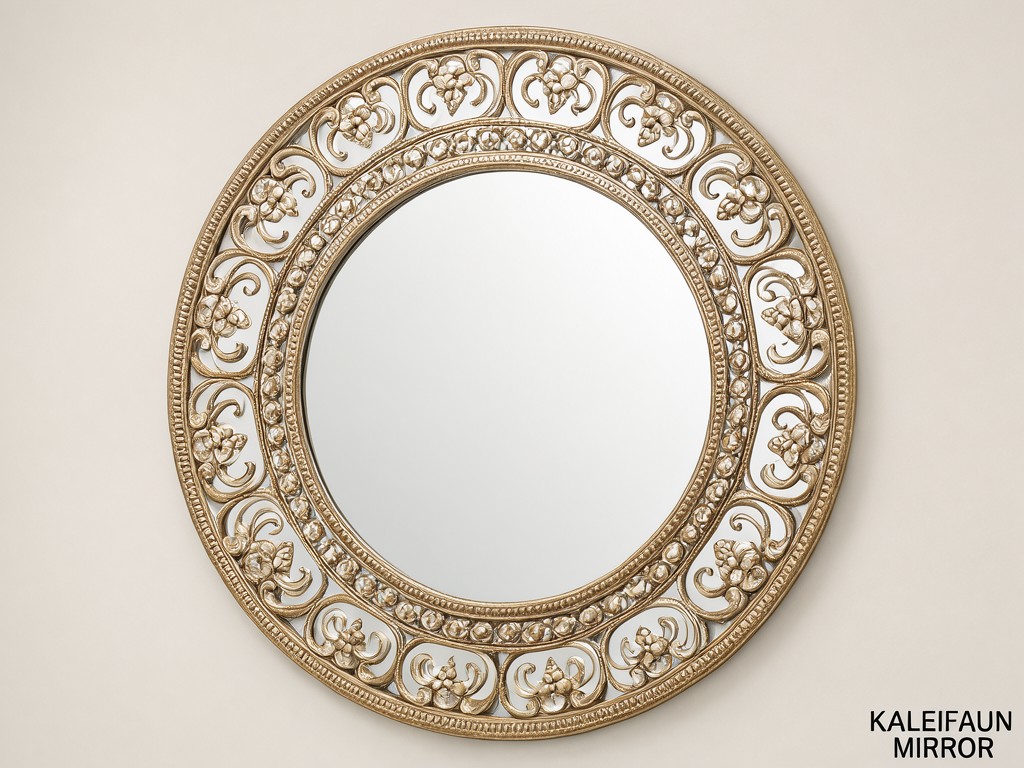
- Artwork and labels can be set up for the brand’s retail presentation, subject to the selected frame and pack format.
- A custom frame profile or non-stock finish may add tooling, setup, or minimum-order cost; a standard profile usually reduces those costs.
- Sample approval should record the appearance, dimensions, hardware position, and cleaning guidance that production will follow.
For an OEM or ODM program, the factory can review the drawing and target retail price together. That makes the trade-off visible before a buyer commits to a frame or finish that pushes up the cost per unit sold.
How Consistency Is Held Across Batches
Moving from sample orders to container loads changes the cost of a small variation. A diameter drift can disrupt shelf grouping; a different frame sheen can make replenishment stock look mismatched; inconsistent hanger placement can increase installation complaints. The production file should therefore carry the approved drawing, material and finish references, and the sample sign-off used for the first order.
Factories can check dimensions against the agreed drawing, compare reflective appearance under consistent inspection lighting, and sample the backing and edge finish through the run. Tolerances should be set by mirror size and construction before production; a single universal tolerance may be too loose for a small circle and unnecessarily costly for a large one. Batch identification also gives the buyer a reference point if a store reports a finish or fit issue after delivery.
Cleaning instructions should match the selected finish. Abrasive pads and harsh chemicals can mark a frame or reach the mirror edge, while standing moisture can stress backing protection. Clear care guidance helps retailers reduce avoidable damage and preserve the intended look between customer use and routine cleaning.
What Gets Checked Before Shipment
| Check area | Factory check | Packaging information to confirm |
|---|---|---|
| Glass and reflection | Check diameter, visible defects, and reflection under consistent light before pack-out. | Confirm a face protector that does not rub the reflective surface. |
| Edge, backing, and frame | Inspect the polished rim, backing coverage, frame finish, and fit against the approved sample. | Specify edge cushioning and separation between units to limit contact damage. |
| Hanger and pack condition | Verify hardware position and that the packed mirror remains supported without frame pressure on the glass. | Approve the inner protection, outer carton marking, and pack presentation against the retail and handling needs. |
For a specification review, send the target diameter, framed or frameless choice, intended room, cleaning conditions, and retail presentation requirements. Discuss your circle mirror specification before sample approval so the construction and pack checks match the conditions your customers will see.