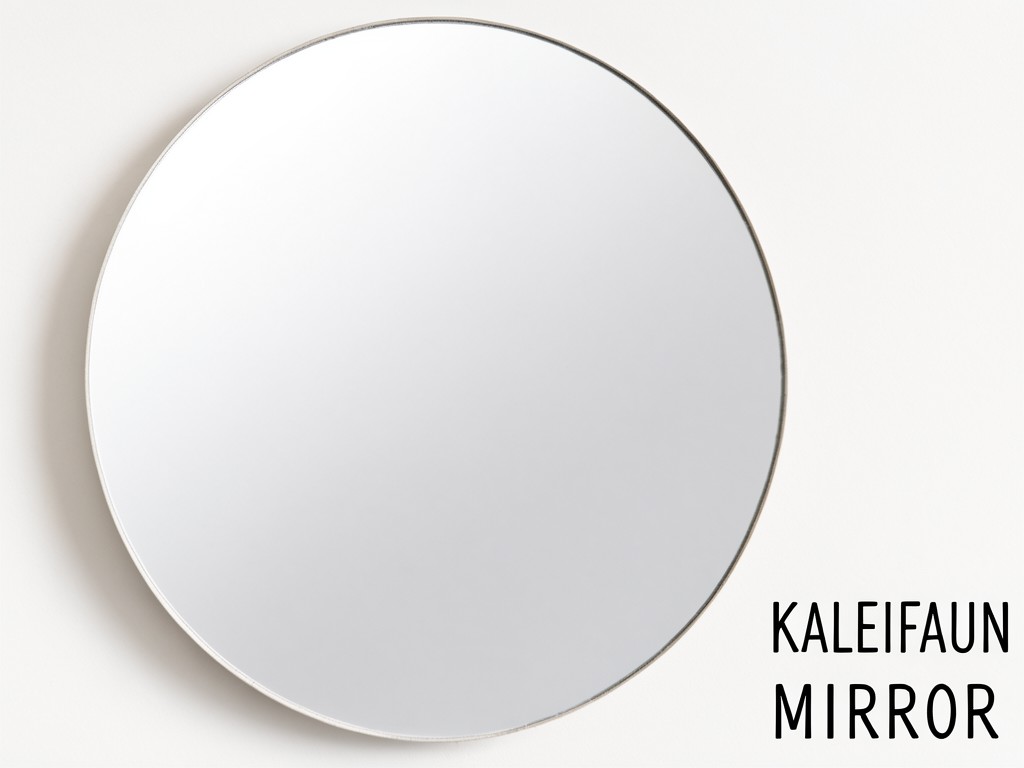
Specifying Personalized White Round Accent Mirror Maker for Wholesale and OEM Orders
Cost and durability pull in opposite directions once a white round mirror moves from a dry bedroom into a bathroom, changing room or hotel washroom. A lower-cost frame can suit dry interiors, while regular humidity and frequent cleaning call for a sealed frame edge and a finish that tolerates routine wiping. For importers qualifying a second source, match the glass, frame and mounting details against the use environment before comparing unit price.
Personalization can cover the frame profile, white tone, diameter, rear hardware, logo and retail packaging. These choices affect weight, packing volume and reorder consistency, so sample approval should record the complete configuration—not just the mirror diameter.
Construction Method and Its Effect on Consistency
A typical unit uses round float glass with a reflective backing, a protective rear coating and a separate frame assembly. The glass edge must sit evenly within the frame; uneven support can leave a visible gap or place pressure on the edge during transport. Edge protection matters because moisture that reaches a damaged mirror backing can cause dark spots near the perimeter.
Frame construction sets much of the price difference. Painted wood or sealed MDF allows familiar profile and colour options, but exposed or poorly sealed edges are more vulnerable to moisture. Molded resin or plastic can provide a consistent profile and lower frame weight; the trade-off is fewer suitable surface effects and, with some finishes, a greater risk of scuffs or colour change under strong UV exposure.
For humid rooms, specify sealed frame edges, protected rear hardware and a cleaning method that avoids liquid pooling at the glass perimeter. This is an indoor decorative mirror, not an exterior fixture; direct rain, standing water and prolonged damp storage can damage frame materials or the mirror backing.
Size, Weight and Specification Range
Retail and hospitality orders commonly use diameters from about 300 to 800 mm, with glass thickness often selected in the 3–5 mm range. The right combination depends on the frame depth, mounting method and intended size. A larger diameter adds glass area and package dimensions; a heavier frame or thicker glass adds further load at the wall fixing.
Set weight from the approved sample rather than from diameter alone. Frame profile, backing board, hanger type and glass thickness all affect the finished unit. For a second-source qualification, record the outside diameter, visible mirror diameter, overall depth, finished weight and hanger position as separate inspection points.
Matching the Product to the Buyer's Need
Choose the frame and finish from the actual cleaning and exposure pattern. A mirror used in a dry retail display has different demands from one wiped several times a day in a gym washroom.
- If the mirror is for a dry bedroom, dressing area or shop display:
- Select painted wood or MDF when the profile and white finish matter more than repeated moisture exposure.
- Confirm that the sample's white tone, gloss level and visible mirror diameter match the approved reference.
- If the mirror is for a bathroom, hotel washroom or fitness changing area:
- Prioritize sealed frame edges and a backing design that keeps the glass perimeter protected.
- Use a soft cloth and a mild cleaner; keep chlorine-based or abrasive cleaners away from the frame and glass edge. Sweat residue should be wiped off rather than left to dry on the finish.
- If the installation receives strong daylight or sits near an open window:
- Ask for a finish sample review under the expected light. White coatings can yellow or shift in appearance after prolonged UV exposure.
- Do not specify the unit for outdoor use unless the full construction has been separately designed and validated for that exposure.
Capacity, Tooling and Scheduling
Standard glass diameters and an existing frame profile usually need less setup than a new molded profile or a custom frame shape. Tooling, colour matching and first-article checks can extend the approval stage. For a new source, compare the approved sample and inspection record before releasing repeat production; confirm glass dimensions, frame finish, hanger location and carton fit against that reference.
The ranges below are planning points, not a production commitment. Final MOQ and schedule depend on frame material, diameter mix, finish, packaging and whether the order needs new tooling.
| Specification or order item | Available direction | Buyer planning note |
|---|---|---|
| Diameter and glass | Commonly about 300–800 mm overall diameter; glass often 3–5 mm thick. | Confirm visible mirror diameter, edge clearance and finished weight from the signed sample. |
| Frame and white finish | Painted wood or MDF for profile flexibility; molded resin or plastic for a repeatable formed profile. | Specify white tone, gloss or matte appearance, frame depth and edge sealing requirement. |
| Personalization and hardware | Frame profile, logo placement, rear label, hanger position and retail carton artwork can be specified. | Supply artwork, mounting orientation and target wall-fixing method before sample approval. |
| MOQ and lead-time planning | MOQ is quoted against material, finish and order mix. A planning allowance is often 10–20 days for samples and 30–45 days for production after approval. | Custom tooling, special components, colour matching and peak-season capacity can change both quantities and dates. Confirm the schedule in the quotation. |
Packing, Marking and Freight Configuration
Glass breakage and frame abrasion are the main transit risks. Specify corner and edge protection, a face cover, and a carton fit that prevents the mirror from shifting. Larger diameters may need stronger internal separation or a different carton layout; confirm the packed dimensions and gross weight before freight booking.
Retail-Ready Orders
Use the buyer's approved carton artwork, barcode and handling marks. Keep printed labels clear of carton seams and confirm that the product identifier matches the approved diameter and finish.
Bulk Import Orders
Agree carton quantity, pallet pattern and mixed-diameter rules before packing. A transit sample or pack-out review can reveal contact points that a product sample alone will not show.
For storage, keep cartons dry and upright where the pack design calls for it. Prolonged damp storage can affect frame edges and mirror backing even when the finished item is intended for an indoor bathroom.
Questions Buyers Ask Before Ordering
Can the same white finish be repeated across different frame materials?
Not always. Paint and molded-colour finishes can differ in gloss, texture and appearance under retail lighting. Approve a physical sample for each material and record the finish reference before bulk production.
What should be checked on a sample for a humid-room order?
Inspect frame-edge sealing, the mirror perimeter, rear hardware and hanger attachment. Clean the sample with the intended routine, then check for finish scuffs, water entry at joints and any change in the backing near the glass edge. The product should not be treated as suitable for direct water exposure unless that use has been specifically validated.
When does a custom frame require new tooling?
A new molded profile may require dedicated tooling. A painted frame can sometimes use existing stock shapes, but a non-standard width, contour or joint may still require setup work. Share a drawing or dimensioned profile for a tooling review before MOQ and sample timing are fixed.
How can a second source match the incumbent product?
Provide a reference sample or a specification sheet with glass diameter, overall diameter, depth, weight, finish, hardware position and packaging details. Compare the supplier's pre-production sample against those points before approving the order.
Request a Tooling Review
Send the target diameter, frame profile, white finish reference, mounting details and expected order volume. A review can identify whether an existing profile fits or whether new tooling and a separate sample stage are needed.