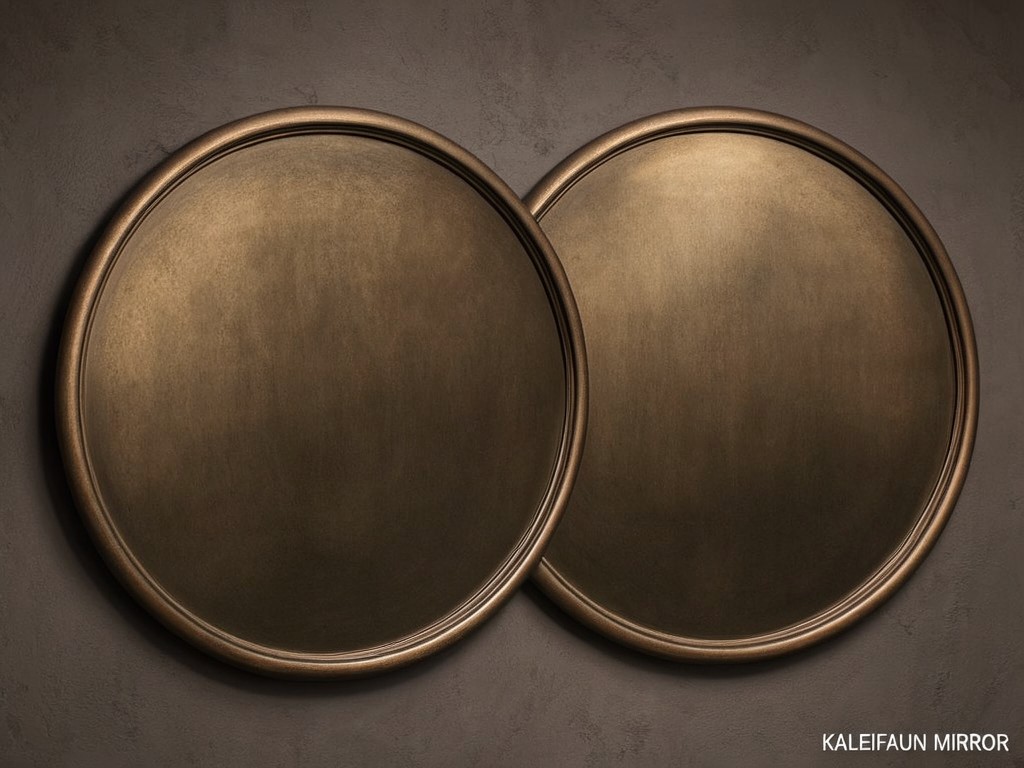
Specifying Top Quality antique bronze round wall mirrors Exporter for Wholesale and OEM Orders
Cheaper stock options fail at the worst point in the season: often after a finish blemish, damaged edge or loose hanger becomes a customer return. For a second source, compare the complete delivered unit cost—glass, frame finish, protective backing and export packing—not only the quoted mirror price.
For brand product managers, OEM buyers and importers, the practical question is whether a second factory can hold the approved bronze tone and round dimensions across repeat orders. A sample sign-off should cover the frame profile, glass appearance, rear hardware and carton configuration together.
How It Is Built and What That Changes
Diameter control
Confirm the finished outside diameter and the visible glass diameter separately. Frame width changes the mirror’s appearance even when the overall size stays fixed.
Glass and backing
Glass thickness, polished edge quality and rear protective coating affect handling, reflection and resistance to edge deterioration in humid rooms.
Bronze frame finish
Approve a physical finish sample under consistent lighting. Bronze tone can shift with the base metal, surface preparation and coating route.
A typical process cuts and polishes the mirror glass, applies its reflective and protective backing, forms the round frame, then coats and assembles the components. The order of operations matters: poor edge finishing can expose the mirror backing to moisture, while coating damage at a frame joint can become a visible corrosion point. Final checks should compare diameter, frame alignment, finish appearance, hanger placement and the condition of the glass edge against the approved sample.
For bathroom or changing-room programs, specify the expected humidity and cleaning routine before choosing the frame metal. Aluminum usually suits damp indoor locations; steel can provide a firmer frame at a lower material cost, but the coating and exposed edges need closer review if scratched or exposed to persistent moisture.
Option Comparison by Usage Level
Choose the frame construction around the installation environment and the cost of a return. A dry bedroom or retail display has different exposure from a frequently cleaned washroom. The ranges below are planning references; the glass thickness, frame profile and hanging hardware determine the final weight.
| Construction option | Typical diameter | Indicative unit weight | Material and finish | Best-fit use |
|---|---|---|---|---|
| Light frame | 450–700 mm | About 4–9 kg | Aluminum frame with antique bronze coating; glass thickness and profile set the final mass. | Bedroom, hallway and retail ranges where lower shipping weight matters. |
| Reinforced frame | 600–900 mm | About 8–18 kg | Steel or heavier-profile aluminum with bronze finish; heavier glass or a deeper frame raises mass. | Larger feature mirrors and installations that need a stiffer perimeter. |
A heavier construction can reduce frame flex, but it raises freight cost and places greater demand on wall fixings. Confirm the mounting method and intended wall type with the buyer; the mirror’s hanger is not a substitute for suitable installation hardware.
Capacity, Tooling and Scheduling
Tooling amortisation decides whether a custom frame profile makes sense at the planned order quantity. A standard profile can lower setup cost and shorten first production; a dedicated profile offers a distinct silhouette but adds tooling cost, approval steps and a longer route to repeat production.
For a second-source qualification, request a pilot batch that uses the intended frame finish, backing, hanger and export carton. That batch checks the full process path; a glass-only sample does not confirm finish matching or freight protection.
Production timing depends on glass size, frame fabrication, coating capacity, sample approval and packaging requirements. A repeat order against an approved specification usually avoids the first-round profile and color review, but the factory still needs to reserve glass and coating inputs against the requested ship window. Share the forecast by size and finish, plus any carton or retail-label changes, before confirming the schedule.
Care, Storage and Service Life
Total cost of ownership shifts once returns are counted. In regular indoor use, the mirror face is usually straightforward to clean; trouble starts when liquid reaches the glass edge, abrasive pads scratch the finish, or a damp carton sits in storage for an extended period.
- Use a soft cloth and a mirror-safe cleaner on the glass. Apply cleaner to the cloth rather than flooding the mirror, so liquid does not collect at the edge or behind the frame.
- Wipe bronze-finished metal with a damp, non-abrasive cloth, then dry it. Repeated chlorine exposure, strong cleaning chemicals and trapped moisture can mark a coating or attack exposed metal.
- In changing rooms, remove sweat or cleaning residue from the frame promptly. Avoid scouring pads; abrasion can cut through the finish at corners and joints.
- Store cartons upright as marked, in a dry area away from direct sun and impact. Prolonged heat or sunlight can affect packaging and may alter some decorative finishes.
For coastal, poolside or persistently humid installations, agree the exposure level before production and assess the finish sample after the buyer’s proposed cleaning routine. No decorative bronze coating should be treated as immune to scratches, chemical contact or standing moisture.
Ordering, Tooling and Lead-Time Questions
Can an existing frame profile be used for a private-label order?
Often, yes. Confirm the profile drawing, outside diameter, bronze finish reference and rear hardware first. If the approved profile does not match the target design, request a tooling quotation that separates one-time setup from the unit price.
What affects the minimum order and first-order timing?
Minimums depend on the glass size, frame material, finish batch and whether a new profile is required. First orders also need time for sample approval and any finish matching; a confirmed forecast helps the factory plan components and production slots.
What should be approved before export packing?
Approve the mirror sample, carton protection, shipping marks and retail labels as a set. For a new route or larger diameter, discuss carton orientation and handling checks before shipment so the packaging matches the distribution conditions.
To assess a second-source project, share target diameters, forecast quantities, finish references and destination packaging needs. Discuss your mirror specification and sourcing plan before sample and tooling decisions are fixed.