wholesale large gold round bathroom wall mirror suppliers - Bulk Supply and Specification Guide
The interface between parts determines whether a large round mirror feels considered or cheap once it is on the wall: a loose frame can rattle, an uneven rim can catch the eye, and a rough edge can make routine cleaning unpleasant. For a private-label order, agree the drawing, finish reference, glass specification, hanging method, and approval sample before production. That holds the design steady without a product redesign.
Where Cheaper Alternatives Fall Short
Deflection under load governs the hanging system, not the mirror face alone. On a large diameter, a light hanger or poorly placed fixing can let the mirror tilt; a thin frame can also show waviness around the circle. Low-cost gold finishes may vary between frame batches, while weak edge protection can leave chips or visible damage after transit. Buyers should compare the approved sample and packing plan, not just the unit price.
| Comparison point | Retail residential use | Frequent-use settings | Cost and specification effect |
|---|---|---|---|
| Diameter and glass | Common planning sizes fall around 600–900 mm; glass thickness is often selected from 4–5 mm options. | Confirm the final diameter and glass build against wall type, handling frequency, and target mirror weight. | Larger glass and thicker options add material and freight cost; approve the size and thickness together. |
| Frame and gold finish | A formed metal rim with a powder-coated or plated gold appearance can suit a decorative bathroom range. | Specify the same finish reference and inspection lighting for each reorder; humid rooms make finish defects more noticeable. | A more controlled finish process can raise unit cost but limits shade variation and visible coating flaws. |
| Hanging and protection | Hardware and wall fixings must match the buyer’s intended installation method. | Check hanger attachment, mirror stability, and carton protection for the expected installation and distribution route. | Extra support or protective packaging adds cost; it may reduce damage claims and replacement freight. |
How It Is Built and What That Changes
A typical build starts with mirror glass cut to a circular blank, followed by edge grinding and polishing. The metal frame is formed to the specified profile, finished to the approved gold reference, then assembled with the mirror, rear support, and hanging hardware. The exact frame material and coating route should be fixed on the drawing; a change in profile or finish system can alter rim appearance, weight, and cost.
Approve a physical sample before the production order if the rim width, gold tone, glass edge, or rear hardware is part of the retail look. That sample becomes the comparison point for later batches.
Lock the glass diameter, frame profile, finish reference, hanger position, and carton configuration in one approved specification. If any of these change after sampling, request a revised sample or written approval before production proceeds.
Assumptions Buyers Should Stop Making
A product photo is not a production specification. Gold can shift between finishes, and a nominal diameter does not define acceptable roundness, rim coverage, or hanger location. Use this decision path before sending a purchase order:
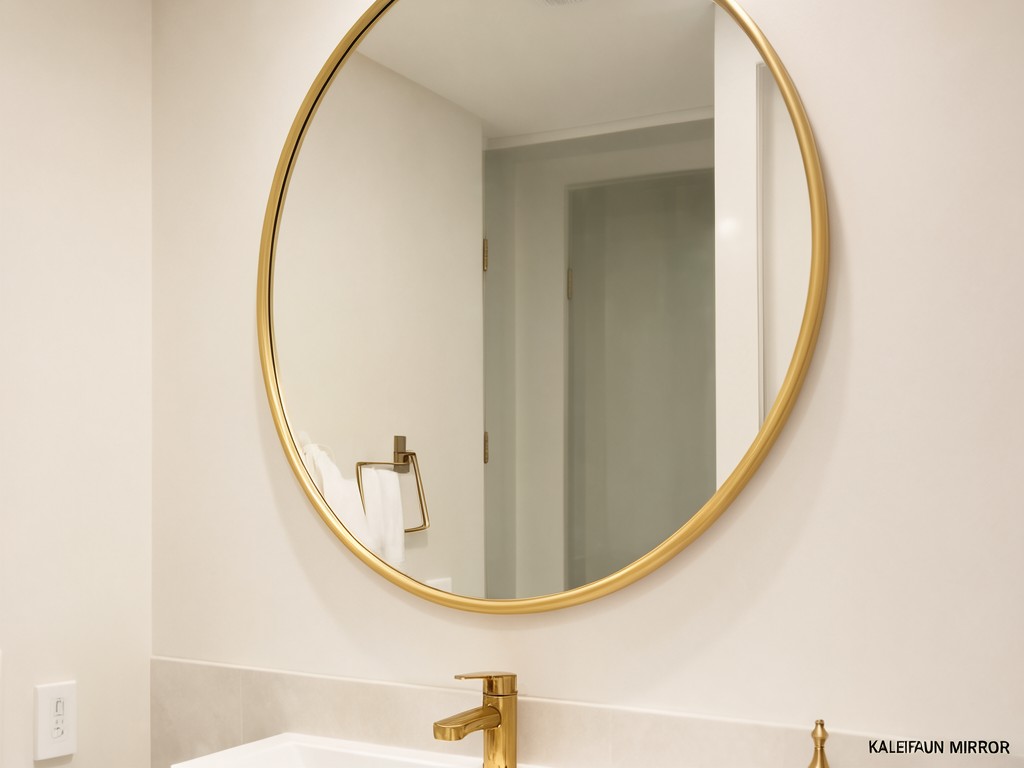
- If the existing item is the reference, provide a dimensioned drawing or a physical sample.
- Record overall diameter, frame width and depth, glass thickness, and hanger position.
- If no drawing exists, confirm which dimensions the supplier will measure from the sample.
- If the gold tone must match other bathroom products, submit a finish reference and approve a production-intent sample under agreed viewing conditions.
- If private-label packaging is required, provide final artwork, barcode details, label position, and carton marks before print approval.
- If the installation method is fixed, specify the wall-hanging hardware and the intended wall type; do not assume included fixings suit every market.
Usage Scenarios and Buyer Segments
The correct build depends on who installs the mirror and how often it is handled. Keep the appearance familiar across channels, then tune the packing and hardware to the actual service conditions.
Home Décor Retailers
Retail buyers often need a consistent gold appearance across a bathroom collection. Sample approval should cover the front view, frame edge, rear finish, and shelf-ready packaging so shoppers receive the intended look.
Hospitality and Apartment Projects
Project purchasers should confirm wall construction, installer preferences, and replacement availability. Frequent room turnover makes secure hanging, protected transit, and repeatable finish matching practical purchasing concerns.
Quality Control and Batch Consistency
Consistency depends on checking the same features that were approved: overall diameter, frame width, rim alignment, finish shade, glass condition, hanger position, and packaging. Record the approved sample and retain the drawing revision with the order so inspection does not rely on a product photograph.
Factory checks can include dimensional measurement, visual inspection under agreed lighting, inspection of the mirror edge and backing, and a hanger attachment check against a buyer-approved load and method. A humidity exposure check or packaging drop sequence should be agreed for the order when the destination or use case calls for it; do not treat an unagreed check as a certification claim.
For repeat orders, identify the finish batch and retain traceable inspection records. This helps separate a genuine specification change from normal variation and gives both sides a clear basis for disposition if a batch falls outside the approved range.
Capacity, Tooling and Scheduling
A repeat profile and standard size can usually move through planning with fewer setup decisions than a new frame section or custom carton. Tooling needs depend on the forming method and whether the requested rim matches an existing profile. The gold finish, glass size, order quantity, and packaging artwork can each affect production sequencing.
- Share the specification drawing, target order quantity, destination, and private-label artwork together for an initial quotation review.
- Confirm which parts use existing tooling and whether a new frame profile or packing insert requires a setup charge or sample stage.
- Set the production schedule only after the finish sample, dimensional details, artwork, and packaging configuration receive written approval.
- Ask the supplier to state the order quantity basis, sample timing, production slot, and shipment packing method in the quotation.
Send the current drawing and finish reference for a quotation review before committing to a production date.
Prepare the approval set: drawing or reference sample, gold finish target, mirror diameter and glass details, hanger requirement, packaging artwork, and estimated order quantity.
To review specification fit, sampling steps, and bulk supply options, contact the supplier team.