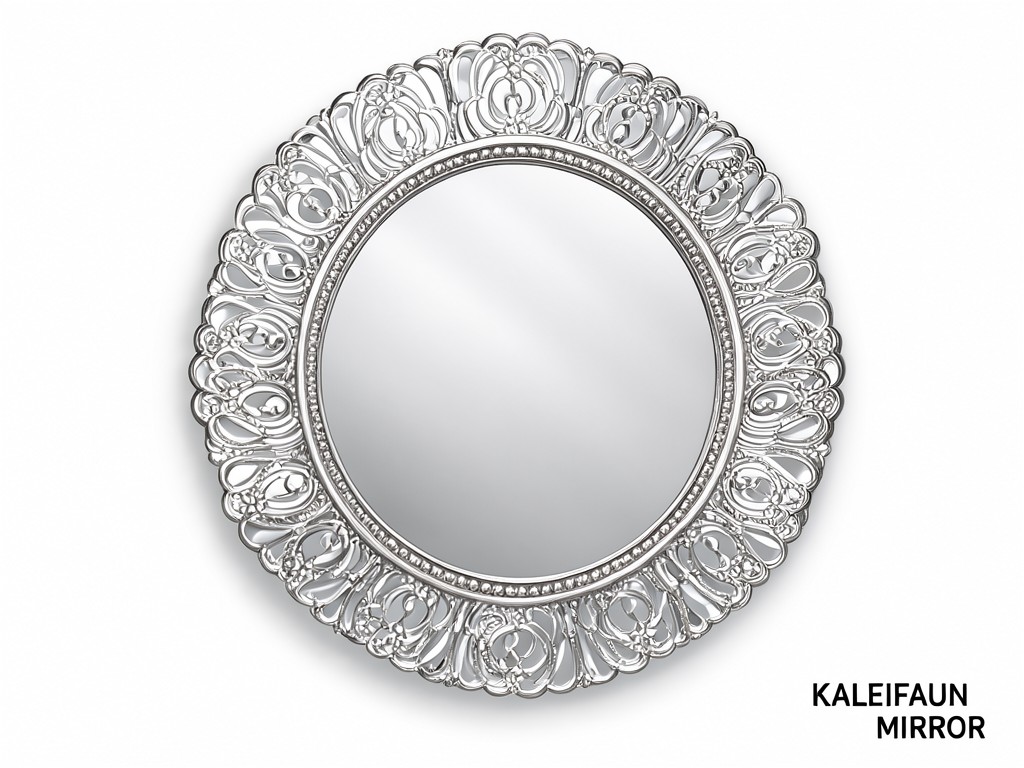
wholesale round silver decorative wall mirror suppliers - Bulk Supply and Specification Guide
Scope of Supply and Physical Form
Retail assortments need a round mirror that looks consistent on the shelf and arrives with its reflective face, rim and hanging point intact. A typical wholesale unit pairs round silvered mirror glass with a molded decorative frame finished in a silver-look coating, a backing board and wall-hanging hardware. Confirm whether “silver” refers to the reflective glass, the frame finish, or both before approving artwork or samples.
The glass diameter, frame projection and total outside diameter are separate measurements. A drawing should identify all three, plus the hanging orientation and hardware location. Glass thickness and backing construction depend on the diameter, intended installation and shipping method; the approved sample should settle those details before a repeat order.
The Problem Buyers Keep Paying For
The complaint that repeats across reorders is often a mismatch between the approved sample and the production batch: a frame that reads warmer or duller, a gap at the glass edge, or a hanger that sits off-centre. These differences trigger returns even when each unit remains usable.
Mirror defects have a different cause. Scratches or chips can begin at an unfinished glass edge, while dark marks near the perimeter may point to damage in the reflective backing or moisture exposure after assembly. A reflective-face inspection alone will not catch a weak hanger bond or a frame that shifts under handling.
Set acceptance checks against the parts that generate claims: compare frame colour with the signed sample under consistent light, inspect the full glass edge, check frame-to-glass seating, and verify the hardware position. Record the approved version and batch identification so a complaint can be traced to a production lot.
How It Is Built and What That Changes
Glass and Reflective Backing
The glass is cut to a round blank, its edge is ground and finished, then the reflective silver layer and protective backing are applied. Edge quality matters because chips can spread during assembly or transit. Backing systems and edge coverage should match the product’s exposure and packaging conditions.
Molded Frame and Assembly
A molded polymer frame gives the design room for relief and ornament; a silver-look coating supplies the visible finish. The frame profile, coating preparation and assembly fixture affect colour repeatability and the fit around the glass. More elaborate profiles usually add tooling cost and setup time, but a dedicated tool can reduce per-unit forming cost at suitable order volumes.
Before shipment, a factory can check dimensions, inspect the reflective face and perimeter, compare the frame finish with the approved sample, and examine the hanger attachment. A handling or packaging trial on the packed unit is useful when carton design changes; it does not replace checks on the mirror or mounting hardware.
OEM and ODM Programme Structure
| Customisation area | Programme choices | Cost or schedule effect |
|---|---|---|
| Frame profile | Existing profile, adjusted ornament, or a new molded design | A new profile can require tool development and sample approval. Higher volume spreads that initial tooling expense across more units. |
| Silver-look finish | Finish tone, sheen and decorative surface details | Each approved finish may need a colour reference and a separate sample sign-off; more finish variants can divide order volume. |
| Mirror and backing | Glass diameter, edge treatment, backing and hanger arrangement | Changing the glass or mounting layout can affect assembly fixtures, inspection references and carton fit. |
| Retail presentation | Private-label carton, insert, barcode and product markings | Artwork approval and print setup add lead time; consolidating variants can reduce repeated setup work. |
For OEM work, buyers supply the brand artwork and approve the production sample against agreed references. ODM development can begin from a sketch, target retail price and intended diameter range. Confirm which party owns any new frame tool, how tool maintenance is handled, and whether the quoted unit price assumes a single finish or several variants.
Keeping Repeat Orders Supplied
- A stocked frame profile and approved finish can shorten replenishment planning, subject to glass, hardware and packaging availability.
- A custom molded frame ties the schedule to tool capacity, production setup and sample approval. Forecast quantities help the supplier reserve those steps before a seasonal release.
- Larger runs can spread tool and setup costs over more pieces, while multiple sizes or finishes may require separate setups and split the available quantity.
- Keep the approved sample, finish reference, drawing revision and packaging specification together. A change to any one of these should trigger review before the next purchase order.
Ask for a production schedule that distinguishes sample approval, material preparation, manufacture and packing. That breakdown makes a late finish decision visible before it becomes a missed retail delivery window.
Packing, Marking and Freight Configuration
Protect the Face, Edge and Frame Separately
Glass needs a clean face separator and perimeter protection; the decorative frame needs restraint so it cannot rub against the mirror or another unit in transit. Carton layout should hold the hanger and any fittings clear of the reflective surface. The right pack depends on unit size, carton quantity and the planned freight route, so approve it with a packed sample rather than relying on an unpacked product review.
Confirm carton markings, item reference, quantity, handling symbols and any retail barcode before print. For mixed-size shipments, clear outer-carton identification helps warehouse teams separate variants without opening the package. Retain batch or lot information in the shipment record to support claim investigation and reorder matching.
Tooling Review and Next Steps
- Send the target diameter, frame references, expected order volume and required delivery window.
- Identify which dimensions or finish details must remain unchanged across reorders, and flag any proposed frame tooling.
- Review the sample, packing configuration and ownership terms before releasing production quantities.
A tooling review can show whether an existing frame profile meets the design brief or a new tool makes sense at the forecast volume. Share a drawing, reference image or current sample through the product inquiry team to discuss the development route and repeat-order controls.