custom small square metal wall mirrors suppliers - Bulk Supply and Specification Guide
Repeat loading drives the failure: a mirror that survives the first shipment may still arrive chipped after restacking, or pull away from its mount after repeated repositioning. For distributors and importers qualifying a second source, the useful comparison is not price alone. It is how the supplier controls glass size, frame fit, mounting details and export packing against an approved specification.
What This Product Is and Where It Fits
| Specification point | Typical options to agree | Approval check |
|---|---|---|
| Overall square size | Often 100 × 100 mm to 300 × 300 mm; confirm the finished outside dimension on the drawing. | Check corner-to-corner and side dimensions on a pre-production sample. |
| Mirror panel | Commonly 3–4 mm glass, subject to size, edge treatment and frame support. | Review reflection, edge finish, backing coverage and panel fit in the sample. |
| Metal surround | Folded aluminum or formed steel, with a painted, plated or powder-coated surface as specified. | Match profile width, finish colour and corner closure to an approved sample. |
| Wall attachment | Keyhole plates, D-rings or another specified hanger arrangement. | Confirm hanger position, orientation and intended wall fixing with the buyer. |
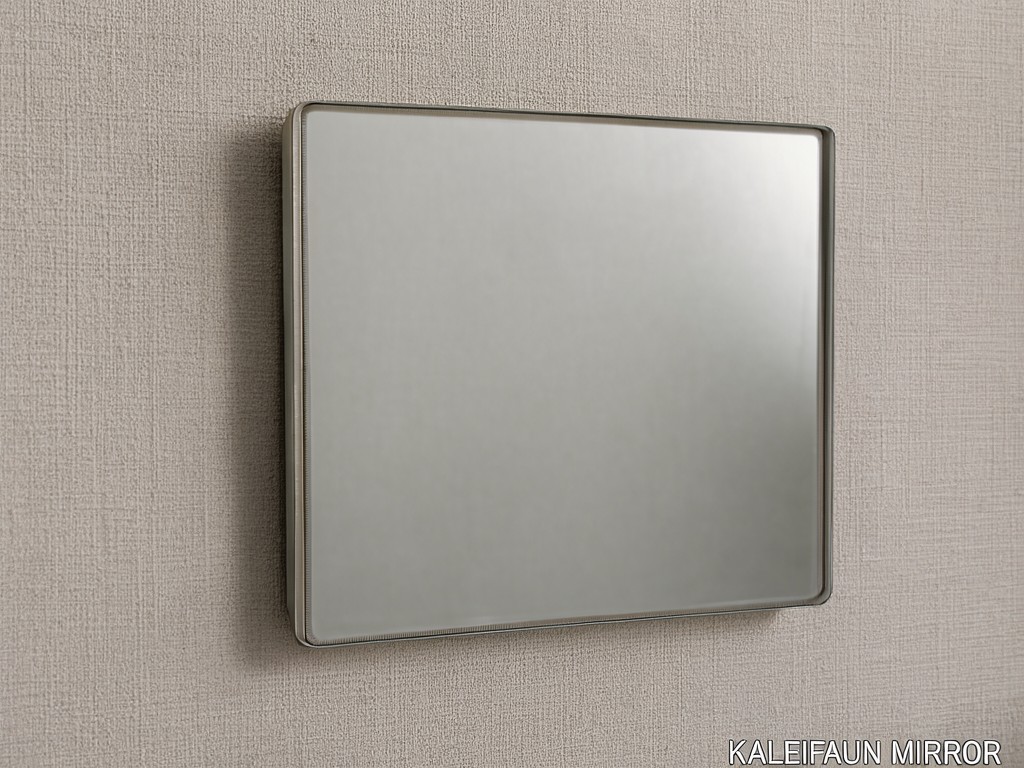
These are framed glass mirrors for home furnishing, retail display and hospitality supply. The frame protects the glass edge and gives the product its mounting structure; it does not remove the need to define the mirror panel, hanger and packing as separate points on the purchase specification.
The Problem Buyers Keep Paying For
A low unit price can be offset by chipped corners, loose frame joints or hanger plates that sit out of position. The limiting factor is rarely the headline specification. Small changes in glass cut size or frame return depth can leave a panel loose in one batch and pinched in the next.
Second-source approval is most useful when both factories work from the same controlled drawing and reference sample. Without that baseline, a nominally identical mirror can differ in visible frame width, wall clearance, finish tone or carton protection. Those differences show up as retail complaints and replacement freight, not as a line item in the initial quote.
- Specify finished dimensions and measurement points; “small square” is not a production tolerance.
- Set the acceptable frame gap and corner alignment with a signed sample or marked drawing.
- Check individual-piece protection and carton drop exposure against the planned export route.
Design Constraints Behind the Specification
Weight and stiffness trade off against each other. A heavier steel frame can resist profile distortion, but it adds shipping weight; a thinner aluminum profile reduces mass, but its section and corner design must still hold the mirror panel without flex or rattle. The choice affects carton weight, hanger loading and the feel of the finished item.
Weather resistance depends on the intended room and the finish system. A mirror sold for a dry bedroom has a different exposure profile from one specified for a bathroom or coastal rental property. Agree the metal substrate, coating and any exposed edges before sampling; “metal frame” alone does not define corrosion resistance.
Write tolerances around function and appearance: outside size, glass-to-frame clearance, hanger location and visible corner alignment. Confirm the proposed tolerance after the factory reviews the frame method and sample; do not assume a drawing tolerance is achievable across every size without cost or yield impact.
How It Is Built and What That Changes
A typical build starts with glass cut to the approved panel size, followed by edge finishing and mirror backing. Metal strip or sheet is then cut and formed into the frame profile; corners are joined or mechanically closed according to the design. After the specified finish is applied, the mirror panel and hanger hardware are fitted, inspected and packed.
Each operation introduces a different source of variation. Glass cutting sets panel dimensions, forming controls the frame return, and assembly determines whether the panel sits evenly. A sample should therefore represent the intended production process and finish, not just the closest available stock frame.
For artwork, approve logo size, placement, colour reference and print or label position before production. For a change to frame profile, hanger position or artwork, request a revised drawing or marked sample; verbal approval can leave the factory without a clear release point.
Measured Performance in Real Use
Inspection should connect measurements to the complaint they prevent. A factory can check panel and finished dimensions, frame squareness, hanger position, surface appearance and assembled weight against the signed sample or approved drawing. Visual review should include the mirror face under consistent lighting, since edge chips, coating marks and distortion are easier to miss during quick line checks.
For humid-room programs, define the exposure expectation and ask the supplier to confirm the finish system and vulnerable edges. Do not treat a coating name as a quantified weather-resistance claim. For transport, confirm the packing configuration with a trial carton review and agree how the factory records breakage or damage found during outgoing inspection.
Batch records should identify the approved specification revision, production lot and inspection disposition. That trail helps a distributor separate a one-off handling issue from a repeat dimensional or packing deviation before placing the next order.
Comparing Two Standard Configurations
The right configuration depends on how the mirror will be handled, mounted and priced. Compare frame profile and finish on actual samples before locking the artwork or carton specification.
Slim Aluminum Frame
Lower frame mass can help control freight cost and make the product easier to hang. Specify profile depth and corner closure carefully; a slim section gives less room to disguise fit variation around the glass.
Formed Steel Frame
A formed steel profile can provide a firmer edge and a different visual weight, but it typically adds mass and makes coating coverage at bends and joins an approval point. Confirm finish colour and exposed-edge treatment from the production sample.
| Usage level | Typical configuration emphasis | Buyer review point |
|---|---|---|
| Occasional residential use | Cost-conscious frame finish and standard hanger arrangement. | Prioritize face appearance, safe edge coverage and pack-out cost. |
| Frequent retail or rental handling | Frame and hanger details selected for repeated handling and secure wall attachment. | Review corner closure, hanger fixing and carton protection as a set. |
| Humid-room placement | Finish system and exposed metal edges specified for the expected room conditions. | Approve finish samples and discuss the limits of the supplier’s exposure claim. |
Usage Scenarios and Buyer Segments
Home-furnishing distributors often need a compact mirror that fits coordinated décor ranges and ships within a controlled carton size. Retail buyers may focus on consistent finish tone across multiple replenishment lots, while hospitality importers may prioritize a hanger arrangement that suits their installation plan and a finish suited to bathrooms or other humid areas.
For a second-source program, share the current approved sample, specification revision, packaging photos and any known complaint history. The prospective supplier can then quote against the same product rather than a loosely similar catalogue item. Confirm which details may change and which are fixed for reorder consistency.
Volume Planning and Lead Time
A workable production schedule starts with a complete drawing, finish reference, hanger specification, artwork file and packing requirement. Sample approval should cover the actual mirror, not only a frame chip; the glass fit, corner treatment and hanger position need review together. Any change after sign-off can affect material ordering, tooling or the production slot.
MOQ and lead time depend on frame material, finish setup, glass sourcing, packaging and the number of custom details. Ask suppliers to separate sample timing, production time and export packing time in the quotation. For repeat orders, agree a reference sample retention period and revision-control process so a reorder does not silently inherit an outdated drawing.
Second-source qualification works best when the first purchase order follows written approval of the drawing, pre-production sample, artwork and packaging configuration. Record open deviations before release; price and delivery comparisons are meaningful only against the same approved build.
To discuss dimensions, frame options, sampling and shipment quantities for a second-source program, send the current specification or reference sample details. A project review can identify which features must match exactly and where a cost adjustment is practical.