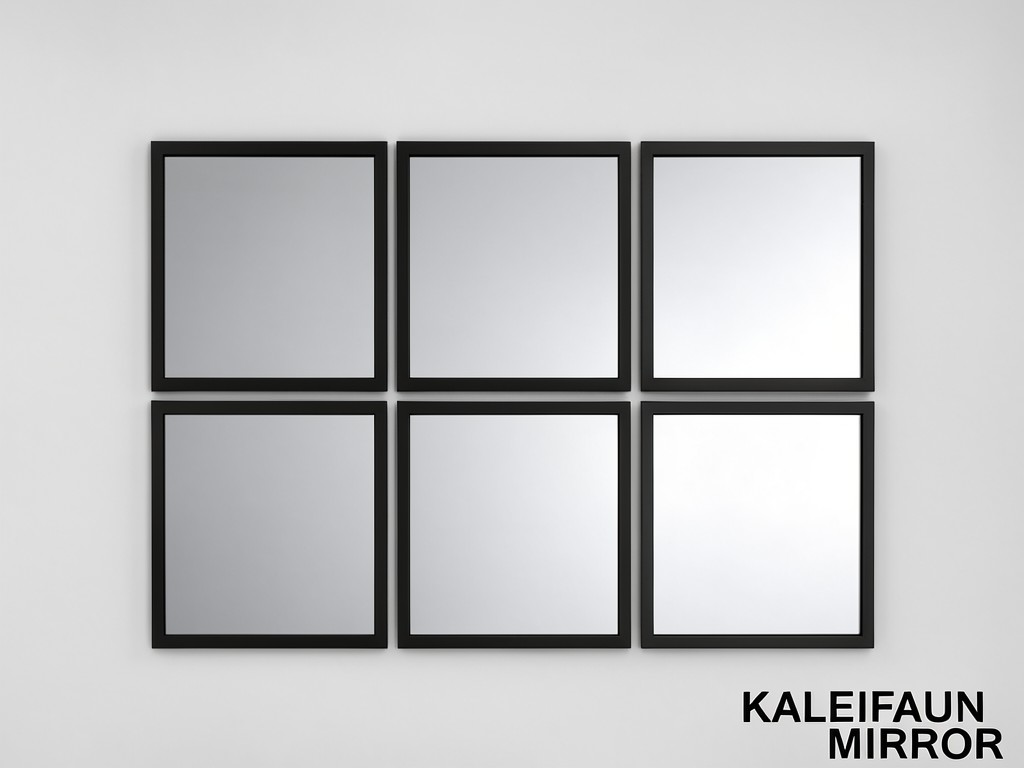
customized large square mirrors for wall china factory: Specification, Ordering and Quality Notes
The build method decides whether a large square mirror stays visually consistent across repeat orders. Glass thickness, cutting accuracy, edge treatment, reflective coating and backing protection all affect the finished panel. Buyers matching a private-label specification should confirm those details before they approve a sample.
For furniture retailers, interior product brands and commercial buyers, the cost trade-off is usually between a lower-priced panel with fewer process controls and a specification that holds size, reflection and backing finish across a production run.
Where Cheaper Alternatives Fall Short
In full-length dressing areas, retail fitting rooms and hotel interiors, a small wave in a large panel can distort the reflected image across the whole surface. Lower-cost offers may use thinner glass, inconsistent cutting or limited inspection of the reflective layer. Those shortcuts can show up as edge chips, visible coating defects or backing damage after installation.
Backing paint also matters in humid rooms. If the protective layers are thin or uneven, moisture can reach the reflective coating at exposed edges and cause dark spots or peeling. A lower unit price may therefore mean a higher replacement rate, particularly where the mirror is installed near a sink or in a frequently cleaned commercial space.
Construction Method and Its Effect on Consistency
Consistency is set at the forming stage: use the agreed float-glass thickness and substrate, then control cutting, edge grinding, polishing and mirror coating against the approved sample. For a wall mirror, the backing protection and exposed-edge finish need to match the installation environment as well as the visual specification.
Clear silver mirror glass is the common choice where a neutral reflection is required. Copper-free coating systems are available for buyers who specify that construction; tinted glass changes the reflected tone and should be checked in the intended room lighting before a colour is fixed.
| Finish or substrate | Typical selection reason | Specification point to confirm |
|---|---|---|
| Clear silver mirror | Neutral reflection for general wall and dressing use | Glass thickness, coating appearance and backing colour |
| Copper-free mirror coating | Specified coating construction for a particular product line | Confirm coating and protective paint layers on the approved sample |
| Gray or bronze tinted substrate | A coloured reflected appearance for a coordinated interior range | Check the tint under representative lighting before approval |
How to Choose Before Requesting a Quote
| Nominal square size | Glass thickness option | Estimated glass-only weight |
|---|---|---|
| 600 × 600 mm | 4 mm | About 3.6 kg |
| 900 × 900 mm | 5 mm | About 10.1 kg |
| 1,200 × 1,200 mm | 6 mm | About 21.6 kg |
Weights are estimates for glass only, based on an approximate glass density of 2.5 kg per square metre per millimetre of thickness. Backing, film and hardware add weight. First-article tooling determines how quickly a custom size, hole position or edge detail can be repeated; for a plain square panel, setup is generally simpler than for a design with cut-outs or non-standard features.
Send the finished dimensions, permitted size tolerance, thickness, edge treatment, backing requirement and mounting details with the quote request. A thicker panel adds glass cost and shipping weight, but may suit a larger format or a mounting system that calls for greater rigidity. The selected thickness still needs to match the wall support and installation method.
Inspection Items and Test Methods
Dimensional and edge checks
Measure both sides and check squareness against the approved drawing. Inspect polished edges for chips, rough sections and corner damage. For a design with holes, confirm hole diameter and position against the first article before the production run.
Reflective surface and backing
View the face under agreed lighting for coating marks, visible spots and reflection irregularities. Inspect backing coverage and exposed edges for paint gaps or damage. Record results by batch so a repeat order can be compared with the retained approved sample.
Inspection criteria should reflect the viewing distance and installation environment. A minor surface mark that is not visible at normal room distance may still fail a close-view retail display requirement, so define the viewing conditions and acceptable appearance before mass production.
Ordering, Tooling and Lead-Time Questions
What should the first sample confirm?
Check finished size, glass thickness, edge polish, reflection tone, backing finish and any mounting features. Use the sample as the visual and dimensional reference for later batches; a change to substrate, coating or edge specification should trigger a new approval.
How does order volume affect unit cost?
Cutting setup, sample work and inspection preparation are spread across more units in a larger order, so the unit cost may fall as volume rises. A size change, extra cut-outs or a new edge profile can add setup work and affect the production schedule. Ask the factory to quote the sample and production quantities separately.
What details affect the lead-time estimate?
Lead time depends on glass availability, the number of sizes or finishes, sample approval and the quantity booked for production. Confirm the target quantity and approved specification together; late changes to dimensions or coating can require another sample and a revised schedule.
Can the mirror match an existing private-label design?
Provide the current drawing, reference sample or dimensioned specification rather than relying on a product description alone. The factory can compare the requested dimensions, glass, finish and mounting details with its available process options without requiring a product redesign.
Request a sample against your target dimensions and finish before committing to a production quantity. Include the drawing, glass thickness, edge details and expected order volume so the factory can assess setup, sample cost and schedule together.
Request a mirror sample and specification review